Key Takeaways
Finding quality components starts with awareness of the local market and your specific vehicle requirements. Understanding these five points will help you navigate the process effectively:
- Prioritize VIN-matched components to ensure compatibility with your specific model.
- Verify the professional credentials of salvage yards before finalizing any purchase.
- Inspect all electrical connectors and mechanical seals for signs of wear.
- Always ask about return policies and warranty coverage before payment.
- Leverage expert dealer support for critical or hard-to-locate items.
Understanding why you should choose used Haval parts
Choosing recycled components is a practical strategy for vehicle owners looking to reduce maintenance expenses while maintaining high operational standards. Many Perth-based drivers find that salvaged inventory allows them to keep their vehicles running for years without the premium costs associated with manufacturer-direct replacements. This approach relies on the principle that many automotive pieces have significant service life remaining even after a vehicle has been retired from active duty.
Cost-effectiveness compared to brand-new components
Opting for salvage items significantly reduces the overhead of routine repairs, especially for older vehicles where depreciation makes buying new parts less logical. Savvy owners often turn to WA Auto Parts because the secondary market pricing is vastly lower than dealership rates, allowing for more budget-friendly repairs without sacrificing functionality. By selecting quality, previously enjoyed components, you secure significant savings while effectively restoring factory performance levels to your daily commuter.
Environmental impact of choosing recycled automotive parts
Choosing recycled items helps divert usable materials from landfills, which is a major advantage for sustainable vehicle maintenance. Reprocessing existing steel, aluminum, and plastic components reduces the energy-intensive demand for raw material extraction and industrial manufacturing. By extending the lifecycle of these materials, you participate in a circular economy that minimizes the carbon footprint required to keep your car on the roads of Western Australia.
Maintaining OEM compatibility for better vehicle performance
Compatibility remains the cornerstone of reliability, as original factory parts are designed precisely for your vehicle’s architecture and performance parameters. Relying on parts engineered for your platform ensures that sensors, engine modules, and internal gears communicate seamlessly without needing custom modifications. For specialized service, Melville GWM assists owners by providing factory-tested components that adhere to original manufacturing standards, keeping your vehicle consistent and safe.
Identifying the right parts for your Haval model
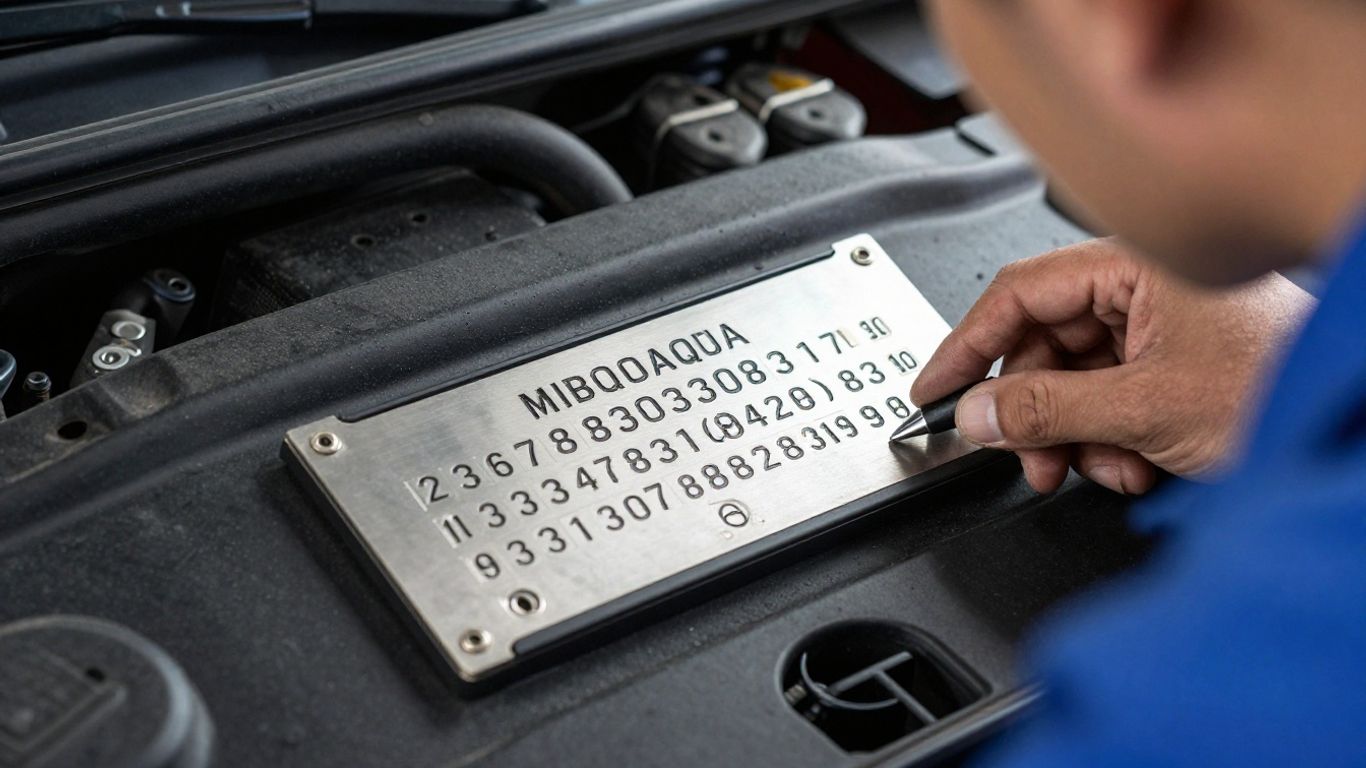
Finding the perfect match for your SUV involves a systematic approach to identifying your vehicle’s specific production run, trim level, and release year. Because manufacturers often update components mid-cycle, using a generic part number can frequently result in a mismatch that leads to installation delays. By systematically referencing your vehicle’s build data, you ensure that the salvaged piece integrates perfectly with the existing electrical or mechanical systems.
Locating your VIN for precise part matching
Your Vehicle Identification Number (VIN) is the most accurate tool for cross-referencing compatibility, as it stores the unique build specifications of your specific chassis. Locating this 17-digit code on the dashboard or pillar plate allows you to check against manufacturer databases to confirm your vehicle’s exact engine variant and transmission type. Relying on this code instead of a simple year-and-model search prevents costly errors and ensures the part you receive performs exactly as expected.
Distinguishing between mechanical and cosmetic components
Sorting through salvage inventory requires separating vital systems from aesthetic body panels. Mechanical parts usually require more rigorous verification than exterior bodywork, as their function directly impacts safety. The following table provides a guide to the categorization of components for common salvage searches.
| Component Type | Verification Priority | Key Inspection Detail |
|---|---|---|
| Engine/Drivetrain | High | Compression levels and seals |
| Suspension/Braking | Critical | Bushing integrity and rot |
| Body/Trim | Moderate | Paint condition and clips |
Once you distinguish between mechanical and cosmetic items, you can effectively allocate your budget toward high-priority performance systems while finding simple cosmetic upgrades for a fraction of the cost.
Checking hardware compatibility across different model years
Hardware compatibility can shift significantly between production years, even within the same generation of a vehicle. A part that fits a 2020 variant might have modified sensor requirements compared to a similar model made in 2022. Cross-referencing technical service bulletins or consulting with Australia’s leading wreckers helps confirm if specific brackets, electronics, or mounts share the same engineering footprint, allowing you to widen your search parameters safely.
Searching for reputable Haval wreckers in Perth
Locating a reliable supplier in the Perth metro area often involves checking the digital presence and logistical speed of local salvage yards. Many credible outfits maintain up-to-date online databases that allow you to verify stock levels from your phone, which significantly streamlines your search efforts. When dealing with specialized vehicles, established businesses who focus on specific brands often have the best understanding of common failure points and part interchangeability.
Evaluating local salvage yard online inventory databases
Most modern salvage yards operate with advanced inventory systems that track every dismantled chassis in real-time. By utilizing these web-based catalogs, you can filter by year, model, and part type to instantly see if a necessary item is available in local stock. This visibility reduces the need for phone calls and gives you a clear sense of current pricing trends before you commit to travel for a physical pickup.
Verifying the professional credentials of auto wrecking businesses
Verifying that a business maintains active licensing and holds proper disposal certifications is essential for avoiding questionable sources. Professionals who follow local environmental regulations typically adhere to better cataloging standards, as they must account for every major component retrieved from a decommissioned vehicle. Taking a few moments to confirm these operational credentials ensures your purchase contributes to a legitimate and safe automotive supply chain.
Assessing supplier reputation through customer reviews and history
When narrowing down your list of suppliers, consider these factors to help gauge the reliability of your prospective wrecker:
- Consistency of positive feedback regarding part functionality.
- Transparency throughout the return or exchange process.
- Experience dealing specifically with your manufacturer’s unique part needs.
- History of prompt communication and clear logistics support.
By evaluating these traits, you ensure the business you choose is capable of providing support long after the initial transaction. You might also encounter advanced technology partners like LinkedIn marketing agencies in other industries while researching business operations, but for wreckers, standard local business reputation remains the best performance indicator.
Inspecting used Haval parts before purchase
Physical inspections are the final barrier against installing a faulty unit into your primary vehicle, and they should be approached with a critical eye. Even if a part is classified as grade-A salvage, environmental factors like humidity or heat can affect the integrity of plastic or rubber elements. Developing a routine for evaluating these components prevents wasted labor and ensures your investment is worthwhile.
Essential visual checks for physical damage or structural stress
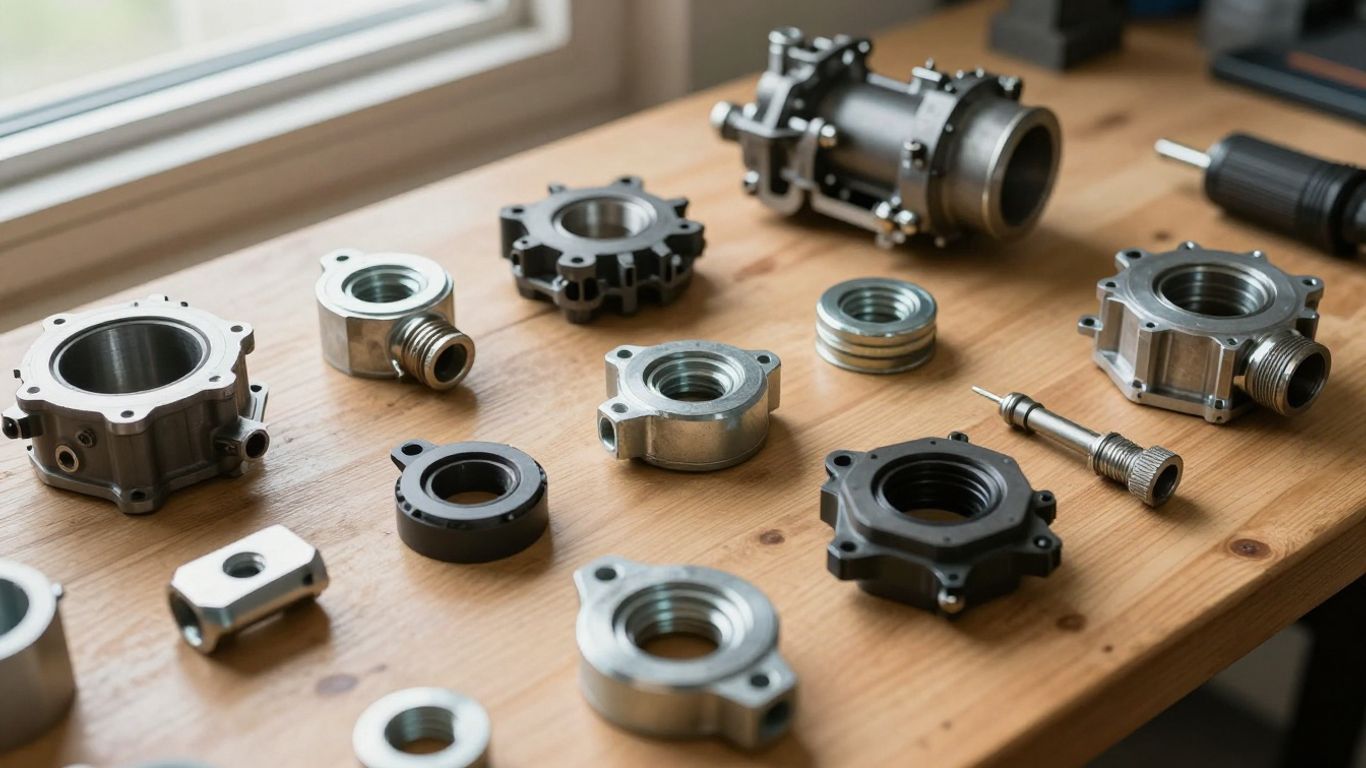
Start by scanning for irregular cracks, heavy oxidation, or missing mounting tabs that could prevent a flush fitment. Stress cracks on plastic housings are often indicative of previous impacts, which might also have internal misalignment issues that aren’t apparent at first glance. Checking for consistent bolt hole alignment and intact gaskets will usually reveal the overall health of the component before you consider the mechanical internals.
Assessing wear on electrical connectors and sensor pins
Electrical systems are sensitive to corrosion and moisture ingress, especially if the salvage vehicle was stored in an exposed environment. Inspecting for discolored pins or frayed insulation is a standard procedure to ensure you don’t face intermittent connectivity issues later.
When inspecting used electrical components, the clarity of the sensor pins is often a direct indicator of whether the part will communicate properly with the vehicle computer without throwing recurring error codes.
Carefully verifying the state of these small connectors is the most important step for high-tech components like air flow sensors or ignition modules. If you notice signs of heavy oxidation on the wiring loom or connector body, move to a different unit to avoid technical headaches during the installation phase.
Testing mechanical parts for signs of excessive corrosion
Excessive rust typically compromises the structural integrity of steel brackets, threaded points, and internal seals. Surface oxidation is common on many automotive components in coastal regions, but deep, flaking corrosion indicates that the part has been exposed to damaging elements for too long. If a core mechanical piece shows rust inside the housing or near contact points, keep searching until you find a specimen with cleaner metal surfaces.
Navigating warranty and return policies
Understanding the legal and internal policies of a wrecking business provides peace of mind when investing in used mechanical systems. Most professional salvage yards standardize their guarantees to cover at least an initial operational window, though the length and scope can vary significantly between providers. Confirming these details in writing before leaving the yard is crucial for simplifying the resolution process if a component fails to meet expectations.
Understanding standard coverage for recycled auto parts
Standard coverage usually centers on mechanical functionality for a defined period, such as 30 or 90 days from the purchase date. Coverage rarely extends to incidental labor costs or incidental damage caused by incorrect installation, so the warranty typically applies to the replacement of the part itself. Always verify if the offer includes a full refund or an in-store credit so you know your options if a unit arrives defective.
Clarifying the process for returning faulty items
When a part proves non-functional, the process for returning it typically requires proof of purchase paired with a professional mechanic’s assessment. Avoid self-diagnosis if you intend to initiate a return, as many salvage yards require an invoice from a certified shop to process warranty claims. Ensure you store your original receipt in a safe place, as you will need the specific transaction details to link the component back to their inventory system for verification.
Documenting purchase dates to maintain warranty eligibility
Maintaining a log of your installation date is just as important as keeping the receipt, as many warranties trigger from the moment the part arrives. If you plan to delay installation, reach out to the supplier to determine if the warranty terms still apply or if you need to inspect the item immediately upon receipt. Documenting these dates protects your ability to call upon the guarantee if a latent failure occurs shortly after placing the vehicle back into service.
Logistics for pickup versus delivery in Western Australia
Logistics in a large state like Western Australia can impact the total cost and timeline of your repair project significantly. Deciding between a manual pickup and a courier service depends heavily on the size of the component and your availability during standard business hours. While local pickup saves shipping costs, understanding the availability of freight services is helpful for heavier or more delicate items.
Benefits of visiting a wrecking yard in person
Visiting the yard allows you to verify the part’s condition personally, which is invaluable for identifying subtle flaws that photos might miss. Additionally, you often save on handling fees and can discuss specific technical concerns directly with the staff, who are usually quite knowledgeable about the parts they manage. For complex assemblies that require precise mounting hardware, a physical visit ensures you walk away with every required bolt and connector.
Arranging safe shipping for heavy or oversized engine components
Oversized items like complete transmissions or engine blocks require specialized handling to prevent damage during transit across the metro area. Always prioritize shipping options that include palletization and adequate protective crating, as movement during transport can crack delicate aluminum housings or break cooling fins. Professional wreckers experienced in long-distance logistics will have established relationships with couriers who specialize in high-weight, high-fragility cargo.
Calculating expected delivery times for parts sourced across the Perth metro area
Transit times within the Perth region are generally swift, but weekend delays or regional transit requirements can stretch the duration for specialized orders. Confirming the dispatch schedule with the warehouse ensures you can plan your mechanic’s availability around the arrival of the component. If you are ordering through Osborne Park GWM, factor in extra time for order verification to ensure the right accessory or part configuration is pulled from their specialized inventory.
When to weigh alternatives: genuine vs. aftermarket vs. used
Knowing when to select recycled components versus opting for brand-new replacements is an exercise in balancing safety and financial efficiency. Safety-critical components often require original specifications to function correctly, while cosmetic or secondary items can easily be sourced from the salvage market without compromising overall safety. This decision matrix helps you prioritize where to spend your budget for the best long-term outcomes.
Identifying safety-critical components that require new parts
Braking systems, airbags, and structural suspension mounts are generally considered high-risk categories where brand-new parts are strongly recommended. While used options exist, the fatigue life of materials in these areas can be impossible to verify without specialized diagnostic equipment. For these specific hardware needs, choosing newly manufactured components provides an objective assurance of material strength that recycled parts simply cannot grant.
Balancing budget limitations with long-term reliability
Finding the sweet spot between an affordable car and a reliable machine involves determining the potential lifespan of each replacement part. When your budget is constrained, sourcing high-value used parts for non-critical systems is a smart move, but for wear-items like belts or timing chains, the labor cost for re-repairing makes new components the better financial choice. When dealing with specific vehicle health requirements, using parts from Northam GWM provides the assurance of durability that aligns with your long-term goal of vehicle reliability.
Leveraging dealership connections for rare, hard-to-find components
Occasionally, a part is so specialized or production-limited that local salvage yards won’t have it in stock. In these instances, establishing a relationship with your local parts department can unlock access to back-ordered components or specific trim pieces that are rarely discarded. Dealerships are excellent resources for the unique nuts, bolts, and specialized clips that often go missing during a home-based repair.
Conclusion
Successfully managing used parts requires a blend of careful research, thorough visual inspection, and an honest assessment of your technical needs versus your available budget. By focusing on VIN-matched items and documenting your purchases, you can effectively navigate the salvage market in Perth while keeping your vehicle on the road for years to come. Remember that while cost-savings are a major motivator, the ultimate priority should always be the structural integrity and long-term operating safety of your car.
Frequently Asked Questions
Are recycled parts as reliable as new ones?
Recycled parts can be highly reliable when sourced from reputable yards that conduct thorough testing, especially for non-wearing structural or body components that still hold their original material integrity.
How does the VIN assist in searching for parts?
The VIN provides the exact factory configuration of your vehicle, allowing you to bypass potential compatibility errors caused by minor design changes between different production years or sub-models.
What should I look for during a physical inspection?
Focus on structural stress, corrosion, and the integrity of electrical connectors, as these are the primary areas where salvage parts show signs of degradation that could affect performance.
Can I return a part if it does not fit my car?
Return policies vary by supplier, so it is essential to verify their specific terms regarding fitment issues and whether they offer store credit or full refunds prior to completing the purchase.
Is it safer to buy certain parts new?
Safety-critical systems like brakes, suspension bushings, and airbag modules are typically best purchased new to ensure the material integrity is fully verifiable and meets current safety standards.
How does shipping work for heavy automotive parts?
Heavy items like engines or transmissions are typically shipped via specialized freight or courier services that use palletization to protect the component from impact during transit between warehouses.
How do I know if a wrecking yard is professional?
Look for businesses that maintain active, updateable digital inventory databases, clear contact information, and public customer feedback, as these indicators usually point to consistent, high-standard professional operations.