

Key Takeaways
Finding cost-effective maintenance solutions for your vehicle requires a balanced approach between professional service and self-managed procurement. This guide explores the resources available to South Australian drivers for securing quality components.
- Visit authorized service centers for certified work.
- Use VIN numbers to guarantee part compatibility.
- Research local wreckers for affordable recycled components.
- Compare pricing across multiple Adelaide-based suppliers.
- Inspect used parts carefully before final installation.
Navigating your options for Haval parts in Adelaide
Selecting the right path for vehicle maintenance often depends on the specific age of your car and your personal comfort level with automotive repairs. Whether you prefer the security of dealership services or the potential savings of independent work, knowing where to turn makes a difference in South Australia. Managing your vehicle maintenance efficiently ensures longevity without unnecessary stress in your daily commute.
Authorized GWM service centers versus independent specialists
Working with Adelaide City GWM provides access to specialized diagnostic tools and training specifically designed for your vehicle. Authorized centers use components engineered for exact integration, ensuring that every replacement upholds the build quality expected by the manufacturer. While dealerships focus on manufacturer-specific compliance, independent specialists might offer alternative solutions that could potentially align better with specific budget constraints or unique vehicle usage patterns.
Benefits of sourcing components locally in South Australia
Local procurement significantly reduces transit times, which is vital when your vehicle is sidelined for repairs. Receiving parts within the same region allows for physical inspection before payment, helping you avoid mistakes common with online shipping. Furthermore, building relationships with local suppliers creates a network of support that can prove invaluable for future maintenance needs.
Understanding the difference between OEM and aftermarket parts
Original Equipment Manufacturer (OEM) parts are produced by the brand creators and are designed to function identically to the items factory-fitted during production. Aftermarket parts, however, are manufactured by third-party companies and offer a wider range of price points. It is important to research carefully before selecting these components to ensure the balance between cost and performance meets your requirements for long-term vehicle safety.
Sourcing recycled parts from Adelaide wreckers
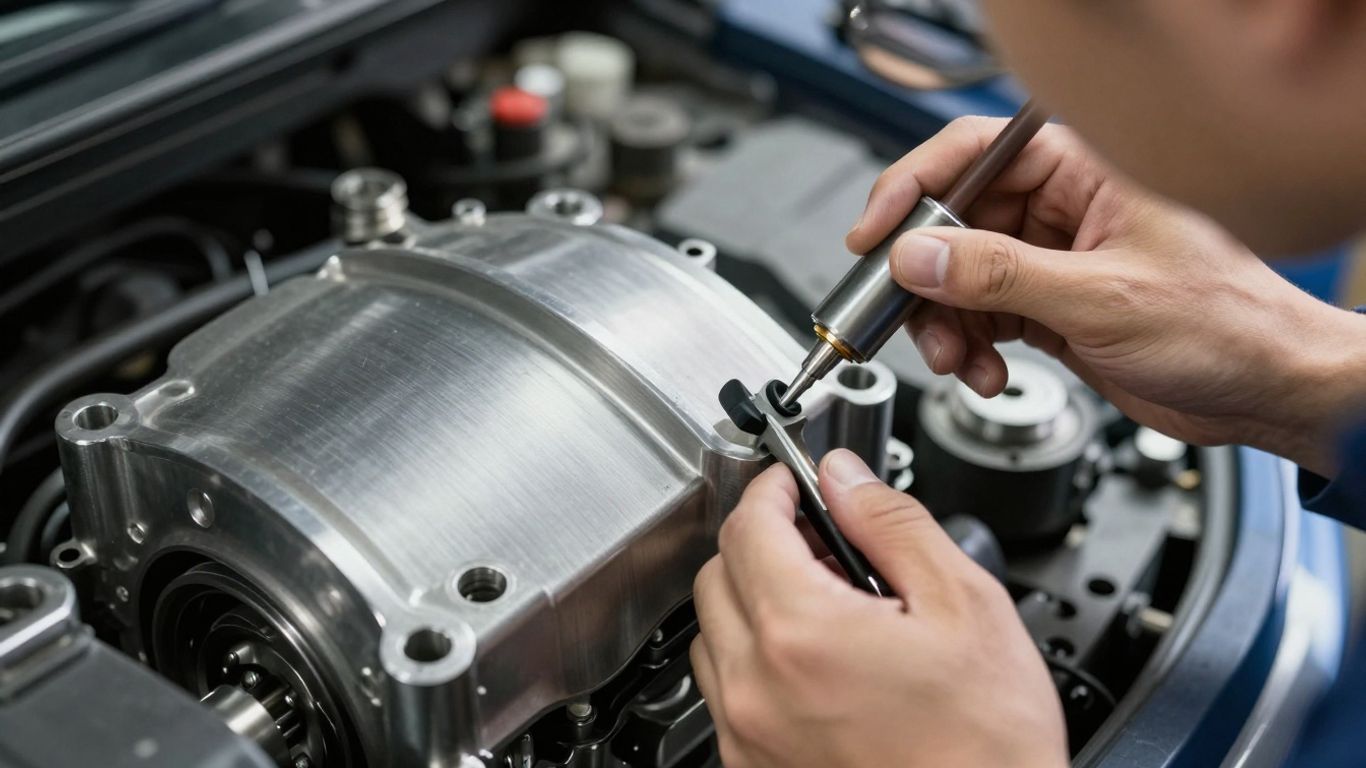
Utilizing salvaged inventory allows for significant budget savings while promoting sustainable automotive practices in the local area. By choosing recycled materials, you can often locate parts for older models that are no longer being actively produced by the manufacturer.
Locating reputable Haval wrecking yards in the region
Finding a trustworthy supplier is essential when navigating the used parts market. Providers like Total Parts Plus specialize in salvaging components, ensuring that you receive items that have been properly assessed and removed. Focus on yards that prioritize transparency regarding vehicle origins and maintain organized, accessible inventory systems.
Checking the quality and condition of used components
Before finalizing a purchase, visually inspect high-wear areas of the part for signs of fatigue or stress. Woodville Auto Wreckers offers a wide selection of tested items, but you should still confirm that electrical pins are straight and mechanical moving parts offer smooth resistance. Always confirm the removal and storage history when possible to get a clear picture of the component’s remaining lifespan.
Warranty considerations for second-hand auto parts
Many reputable wreckers provide limited-term warranties on mechanical components to ensure their functionality after installation. Before finalizing a deal, ask about the period covered and the conditions under which a refund or replacement is authorized. Keep your receipt and any provided documentation stored safely, as these papers are your primary protection against premature failure of the second-hand unit.
Strategies for verifying component compatibility
Ensuring a part fits perfectly is the most critical step in avoiding wasted effort or unexpected project delays. Accurate identification prevents the frustration of ordering items that require modifications, especially when working on complex automotive systems.
Using your vehicle identification number for accuracy
Your VIN acts as the unique fingerprint for your car, revealing specific factory build codes that hardware retailers use to confirm part numbers. When you present this number, you reduce the risk of ordering the incorrect version of a component that might look identical but operate differently. Modern databases use this data to filter through the millions of available combinations effectively.
Interpreting part numbers and hardware cross-references
Retailers often use internal part numbers that differ from global manufacturer codes, requiring careful cross-referencing to confirm universal fitment. Comparing the physical dimensions and connector types against your existing component is a wise precaution before committing to the purchase. If you remain uncertain about a match, consult with a qualified mechanic to compare physical hardware specs directly against your current setup.
Verifying compatibility across different GWM model years
Automotive platforms evolve through subtle changes per model year, meaning a part from one year may not be fully compatible with a newer release. To manage this variability, use the table below to categorize your component needs based on standard fitment protocols.
| Part Category | Compatibility Check | Required Action |
|---|---|---|
| Body Panels | Exact Model Match | Verify color code |
| Sensors | Software Version | Scan for fault codes |
| Drivetrain | Gearbox ID | Match unique serial |
Careful cross-referencing ensures that you are not just buying a part that fits, but one that is optimized for your vehicle’s specific electronics and mechanical architecture.
Cost-saving tips for Haval repairs
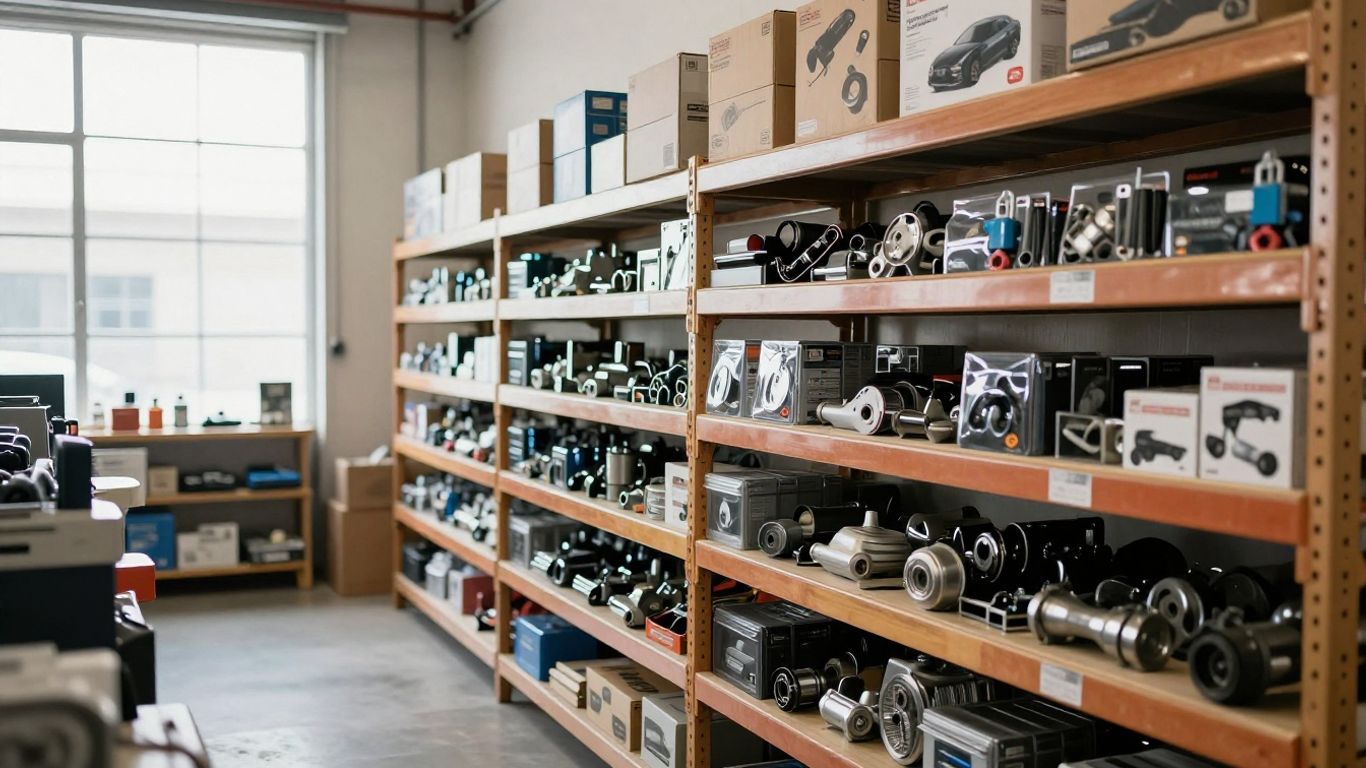
Repairs often arise unexpectedly, so managing your budget effectively requires a mix of advance research and comparative spending. Keep a log of your vehicle’s common maintenance intervals to anticipate costs rather than reacting to them as emergencies.
Timing your part purchases for seasonal sales or liquidations
Many dealerships and retailers offer significant discounts based on inventory clearance schedules. Checking for the latest GWM national offers can lead to substantial savings on both genuine components and essential accessories needed for your next service. Proactive timing transforms an expensive repair bill into a manageable line item.
Comparing quotes from multiple local Adelaide suppliers
Getting a range of prices prevents overpaying for standard maintenance items. All Good Parts exemplifies the value of quick quote comparisons, allowing you to evaluate service costs alongside the raw price of the items themselves. Always compare quotes based on the total cost, including shipping and the potential need for specialist installation tools.
Weighing the risks of DIY part installation versus professional labor
The choice between home installation and mechanical labor should be guided by your technical experience and the complexity of the specific system involved. Minor tasks like cabin filter replacements are perfect for learning, but major mechanical work requires professional oversight to maintain safety and warranty standards.
Safety is the primary reason for professional installation of complex suspension or braking components. Professional mechanics bring both the torque settings and diagnostic equipment necessary to ensure every bolt is set to the manufacturer’s precise requirements, preventing dangerous failure modes on the road.
Evaluating the cost of professional labor should include the value of your time and the risks involved with incorrect setup.
Assessing the quality of budget-friendly parts
Budget-friendly components offer a viable path for vehicle upkeep if selected with discernment. Understanding why a part is priced lower than the original is the key to identifying safe alternatives that provide decent value.
Identifying common causes of premature part wear
Most aftermarket parts fail early due to inferior material composition rather than poor physical assembly. When searching for deals, evaluate the construction quality by checking for reinforced seals and high-grade metal alloys. Lower quality rubber components, in particular, often exhibit brittleness within months of installation if they are not rated for intense heat cycles.
Reading customer feedback for local automotive suppliers
Transparency in reviews helps you identify which suppliers prioritize quality control over volume sales. Look for comments detailing how a specific part performed over several thousand kilometers rather than focusing on impressions at the point of installation. Trusting the experience of other owners in the region provides a reliable metric of actual performance versus marketing claims.
Avoiding counterfeit or sub-standard automotive components
Counterfeit parts often lack the necessary safety certifications and might look authentic while containing dangerous internal defects. Always verify the packaging for official brand holograms and clear manufacturing labels during your inspection. If an offer appears too good to be true compared to other reputable sources, it likely represents a safety risk that is not worth the potential savings.
Logistics of part procurement in Adelaide
Understanding how logistics influence your total price helps you decide whether to shop purely online or visit showrooms. Shipping fees can easily negate the savings earned by finding the cheapest price point, especially on heavy mechanical items.
Options for local pickup versus regional delivery
Local pickup options remove shipping risk and get the part into your hands immediately, which is often the best choice for urgent repairs. If you choose delivery, coordinate with the supplier regarding their preferred couriers to ensure the package arrives without damage. The following logistical list helps organize your procurement process effectively:
- Confirm local stock availability before traveling to the warehouse.
- Inquire about same-day courier options for metropolitan addresses.
- Request tracking numbers immediately upon dispatch of the order.
- Ensure you have the tools ready upon arrival to verify the part.
Handling bulky items and interstate shipping constraints
Large items, such as transmissions or body panels, require specialized freight arrangements that are significantly more expensive than standard mail. When possible, pool your order for multiple items in a single shipment to reduce the per-unit delivery fee. Always confirm that the supplier uses protective packaging like foam inserts or wooden crates to prevent structural damage during transit.
Essential documents to request for return and refund coverage
Every professional purchase should culminate in a clearly detailed invoice that notes the warranty duration and return windows. Do not finalize any payments on the assumption that a return will be easy without a written policy. If a seller is hesitant to provide clear terms for returns, consider that a sign to source your components from a different, more transparent vendor.
Conclusion
Managing your vehicle’s needs effectively through local Adelaide suppliers and informed procurement choices ensures that you maintain performance without unnecessary expenses. By keeping up with regular maintenance, verifying part compatibility through VIN checks, and fostering relationships with local retailers, you extend your car’s life and maximize the value of your initial investment. Consistently auditing your own repair strategies against these best practices creates a sustainable approach to long-term ownership.
Frequently Asked Questions
Should I always use genuine manufacturer parts?
Choosing genuine parts is recommended for complex mechanical systems where factory specifications are vital to performance. For general maintenance items like filters or minor body trim, quality aftermarket options can provide substantial savings without compromising safety.
How can I verify if a part is suitable for my specific vehicle model?
Using your vehicle identification number allows you to access precise factory build data, which is the most reliable way to match a component. Cross-referencing this number with the part number provided by the manufacturer ensures that the fitment meets all safety requirements.
What are the main benefits of buying from local wreckers?
Local wreckers provide an affordable source for parts of varying ages, including those that are no longer in active production. They also offer the chance to inspect components visually before purchase, reducing the risks associated with online shopping.
Is it safe to install auto parts myself?
DIY installation is safe for routine maintenance tasks if you have the appropriate tools and follow official service manuals. However, critical systems like brakes, suspension, and steering should always be left to professionals to ensure they meet legal and safety standards.
How do I handle a return for an incorrect part?
Always request a written return and refund policy at the time of purchase and keep your invoice in a safe place. Promptly notify the seller if you find an issue, ensuring that the part remains unused and in its original packaging to expedite the process.
What common signs indicate that a part is of substandard quality?
Watch for poor finishing, unconventional material weight, missing safety holograms, or a lack of documentation from the manufacturer. If a part displays loose components or shows signs of previous wear that were not disclosed, it is likely unsafe and should be returned.
Why does shipping cost vary so much for automotive parts?
Shipping costs are determined by the weight, dimensions, and fragility of the components rather than the item’s purchase price. Large or heavy items require more robust packaging and specialized handling, which significantly increases the logistics cost for distributors.