
Key Takeaways
Finding reliable spares for your vehicle requires patience and a systematic approach to verifying components. This guide ensures you save money while maintaining optimal performance on the road.
- Prioritize checking structural integrity before making any purchase.
- Always cross-reference part numbers to confirm compatibility.
- Negotiate based on documented market values rather than vague estimates.
- Use reputable wreckers to ensure you receive a usable warranty.
- Inspect all electronic components for signs of corrosion or moisture.
Understanding the Haval H2 parts market
Navigating the secondary market for automotive spares involves understanding that not all components age the same way. Demand for these specific parts often fluctuates, making your timing vital for securing the best deals. When you look for Haval H2 second hand parts, you gain access to a broad inventory of components that can significantly reduce maintenance expenses while extending the life of your vehicle.
Identifying common wear and tear items
Regular maintenance involves predictable replacements, such as brake pads, suspension bushings, and various sensor units. Keeping a record of your mileage allows you to anticipate these needs before a total failure occurs on the road.
The difference between OEM and aftermarket components
Factory-spec parts were engineered specifically for your vehicle, offering reliable tolerances and material quality standards. While aftermarket alternatives might be cheaper, they occasionally fall short in durability or fitment, making these China auto spare parts a primary choice for value-oriented buyers who still demand authentic performance.
Navigating supply chain challenges for Haval models
Supply fluctuations often dictate availability, especially for specialized electrical or trim components. Understanding these gaps helps you prioritize your search, perhaps looking at Haval parts through global digital marketplaces when local stock runs thin.
Where to source quality used Haval components
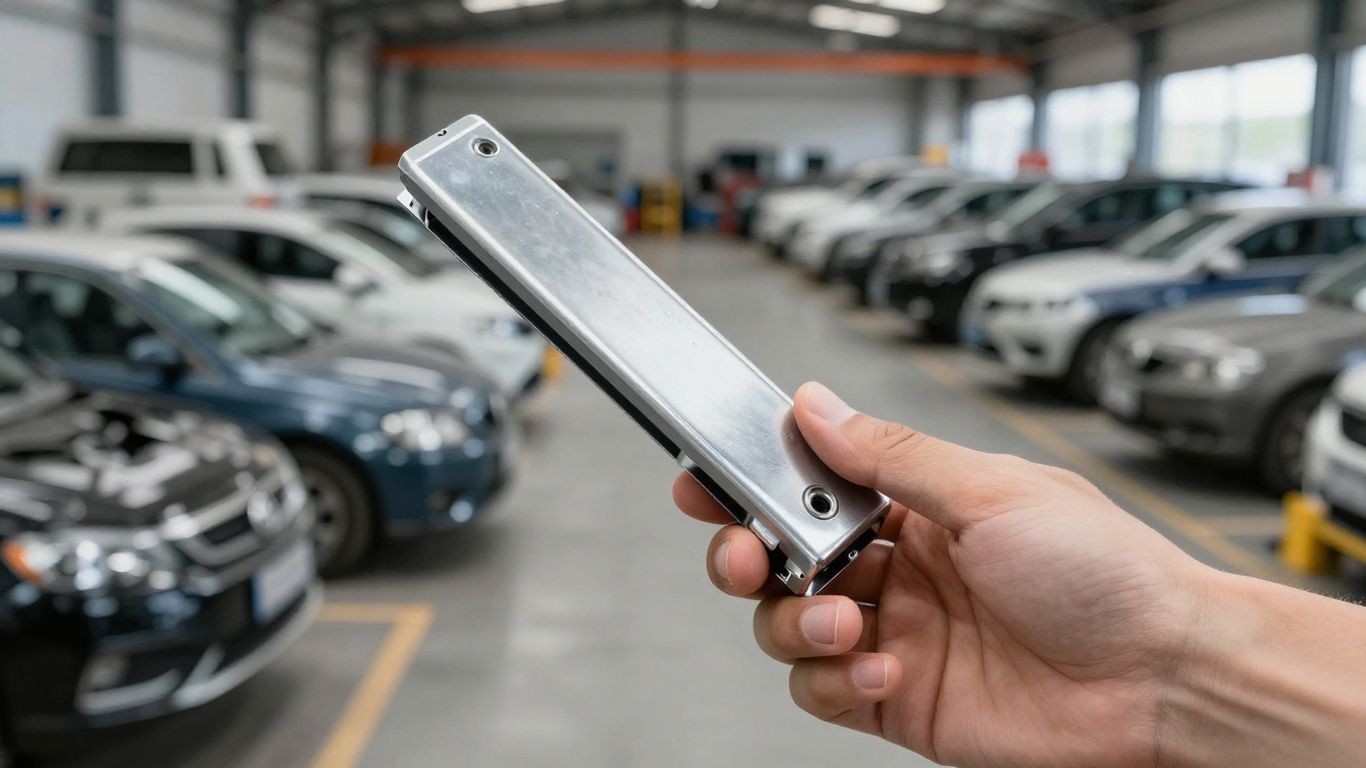
Finding a reliable supply requires filtering through a crowded market of private listings and commercial salvage operations. By focusing on verified networks, you minimize the risk of acquiring damaged or non-functional items that won’t benefit your long-term repair plans.
Evaluating private sellers and online marketplaces
Online platforms provide a wealth of options, yet they require careful scrutiny of seller feedback and communication history. When using Haval H2 car parts search portals like Gumtree, you must verify images and ask direct questions about the part’s origin to avoid purchasing hidden defects.
Identifying reputable auto wreckers and salvage yards
Local yards that focus on recent accidents often harbor the best condition components. You can find quality used Haval parts at these locations, provided you follow a formal process to confirm the salvage history.
Why specialized Haval parts dealers are safer options
Specialized dealers carry inventory that has been pre-filtered for quality, often providing warranties that private parties cannot match. These experts manage their own Total Parts Plus databases to ensure that the item coming out of their shed actually matches your specific model year requirements.
Assessing shipping logistics for heavy body panels
Heavier components require specialized crating to avoid deformation or transit damage during delivery. Always confirm insurance coverage for fragile items before finalizing payment for a large door or hood.
Inspecting second hand parts for quality
Before you commit, physical inspection remains the most effective way to guarantee the item will serve you well. Even when online images look perfect, handling the component reveals microscopic cracks or previous repairs that would otherwise go unnoticed.
Visual checks for structural integrity and damage
Look closely at mounting points and brackets for signs of stress. Using the right techniques for inspection ensures the part is fit for purpose, allowing you to avoid costly returns or wasted time in the garage.
Testing electronic components before installation
Most complex modules require diagnostic tools to confirm signal output before you bolt them into the chassis. Skipping this step often leads to frustration when the vehicle refuses to clear its error codes post-installation.
How to verify genuine part numbers
Matching the original equipment manufacture serial number is the golden rule of spare procurement. A simple table analysis helps keep your search parameters organized.
| Part Component | Priority | Verification Method |
|---|---|---|
| Engine Block | High | VIN Serialization |
| Lighting Units | Mid | Manufacturer Stamp |
| Trim Panels | Low | Physical Color Match |
After ensuring the numbers align, you can proceed with installation knowing everything will bolt into place as expected.
Avoiding parts from flooded or severely crashed vehicles
Components pulled from water-damaged cars often suffer from hidden corrosion within their internal circuitry. You should explicitly ask the seller about the original state of the vehicle at the wrecking facility to ensure you are receiving a clean, dry, and safe assembly.
Compatibility and interchangeability
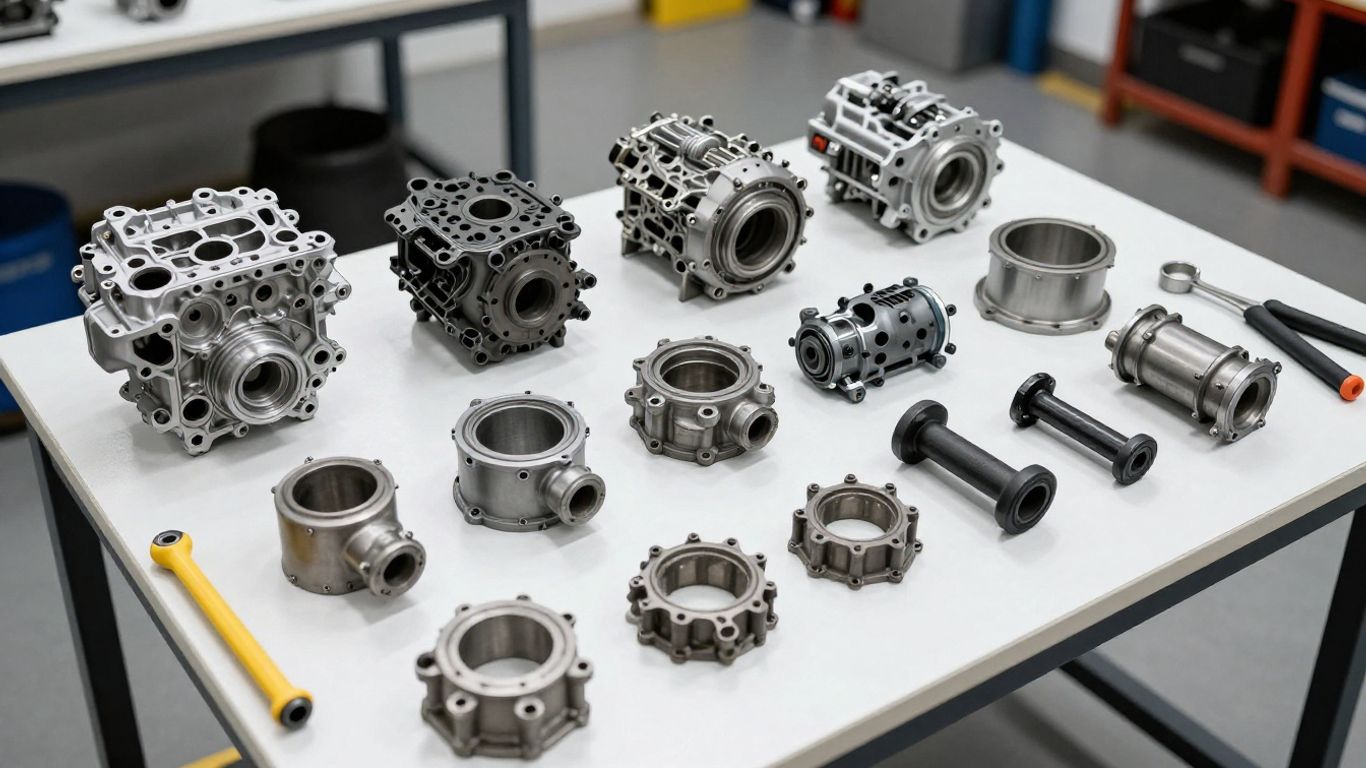
Understanding how different parts bridge the gap between production years is essential for a smooth repair. Not every part labeled for a specific vehicle line is universally compatible across all trims or model years.
Matching part numbers across different production years
Even when the exterior design looks identical, internal manufacturing updates can change the wiring harness or mounting locations. Consistent checking of updated catalogs prevents the common mistake of buying a legacy part for a modern setup.
Checking compatibility with other Haval family models
Many shared platforms mean that structural elements or even drivetrain parts can swap between models without issue. Consult a master database if you find yourself struggling to locate a specific unit for your exact trim.
Decoding VIN numbers for precise part matching
Your VIN contains the specific build sheet information required to identify your vehicle’s factory-fitted components. Utilizing this sequence is the most effective way to avoid ordering a part that simply won’t communicate with your computer control system.
Limitations of using non-original parts
Using low-quality alternatives can impact the overall reliability of your vehicle, particularly when it comes to software integration or calibration. We often warn that using unauthorized components might interfere with complex systems, much like failing to follow proper International Bra Size Chart guidelines leads to discomfort; precision is always required.
Negotiating and pricing for used parts
Knowing the going rate for common components prevents you from overpaying for items that should be affordable. Because prices vary, use a list to keep your budget on track.
- Establish the current dealership list price for a brand-new equivalent item.
- Apply a depreciation factor based on the age and condition of the used part.
- Inquire about the seller’s return or restocking fees upfront.
- Bundle smaller items together to reduce shipping overhead costs.
By following this structured approach, you maintain control over your spending without sacrificing the quality of your repairs.
Understanding market value for used engine and transmission components
Major mechanical assemblies carry significant risk, meaning professional evaluation is worth the cost. Always account for the projected mileage of the used unit against the expected lifespan of your own vehicle.
Red flags during price negotiations
If a seller insists on non-traceable payment methods or refuses to provide clear provenance for the item, walk away. Legitimate salvage operations will always provide documentation or a clear company address to ensure your purchase is secure.
The importance of warranty policies on used parts
Always secure a written guarantee that specifies the conditions under which you can return a faulty part. While some vendors offer limited support, a professional approach to AccuLynx business management would reflect that transparency is vital for all parties involved.
Hidden costs of purchasing second hand components
Factor in cleaning supplies, new seals, or gaskets required to fit the used part. These small expenses add up quickly, sometimes bringing the total cost closer to that of a new part than you originally anticipated.
Best practices for installing used parts
Proper installation involves more than just bolting a part in; it requires patience and adherence to factory specifications. Whether you are working on suspension or complex electronics, ensure you have the right tools on hand before you start.
Why professional installation is recommended for critical systems
Critical safety systems, such as braking modules or steering components, carry too much consequence to risk a DIY error. Seeking a professional gives you piece of mind knowing the work is verified by experts who know how to knitting needle size patterns for hardware, ensuring every bolt has the correct torque spec.
Calibration requirements after replacement
Modern vehicle controllers often memorize the operating profile of your old parts and require a software reset or calibration. Without this step, your car might display warning lights or perform erratically even though the hardware is technically functional.
Safely refurbishing or cleaning parts before fitment
Remove road grime and old fluids to protect your installation from contamination. A clean surface also allows you to verify that there are no leaks or hairline fractures that might have been concealed by debris during shipping.
Testing the vehicle after hardware installation
Perform a series of slow-speed tests under controlled conditions before taking your vehicle onto the open road. Monitor your sensor feedback and fluid levels closely during these first few miles, which serves as a vital indicator of your installation quality.
Conclusion
Mastering the art of selecting used parts requires a blend of technical research, careful inspection, and honest negotiation. Once you understand the specific needs of your model, you can safely source high-quality components that maintain the value and performance of your vehicle for years to come.
Frequently Asked Questions
Should I always choose OEM parts over aftermarket alternatives?
OEM parts generally offer a better fit and confirmed reliability as they were designed specifically for your build, whereas aftermarket options can save money but may vary in quality.
How can I verify that a used part was not from a flooded vehicle?
Check for signs of persistent silt in hidden corners, corrosion on electrical pins, and an unusual musty odor inside components like headlights or control modules.
What is the most important document to check when buying used?
Always request a copy of the receipt that includes the VIN of the donor vehicle to verify the history and legitimacy of the source.
Can I install all used parts myself?
While simple panels are suitable for DIYers, complex electrical or safety-critical components should always be installed and calibrated by a diagnostic professional.
Why does my car need a computer reset after installing a used sensor?
Many vehicle computers store learned values for components, and a reset ensures the system recognizes the new part’s output signals correctly.
How do I know if the part I bought fits my model year?
Use your car’s VIN to compare against the part’s serial number through official manufacturer databases or reliable online parts catalogs.
Are there any parts that should never be purchased used?
Safety items like airbags, seatbelt tensioners, and certain brake system components should generally be purchased new to ensure they have not been compromised by previous accidents.