

Key Takeaways
Finding reliable components for your vehicle helps maintain performance while managing long-term repair costs effectively. This guide covers the essential strategies for navigating the recycled parts market successfully.
- Prioritizing salvaged parts significantly reduces your overall maintenance budget.
- Proper VIN matching ensures mechanical compatibility for specific vehicle years.
- Recycling reduces automotive waste and supports a circular economy.
- Thorough physical inspections reveal pre-existing damage in used panels.
- Professional installation maintains safety standards after component replacement.
Benefits of choosing recycled Haval H4 parts
Opting for reclaimed components is a practical approach to vehicle maintenance, especially as your SUV ages and requires more frequent attention. By sourcing quality salvaged items, you can restore functionality without the premium price tag associated with brand-new parts. Many owners discover that these alternatives perform just as reliably, providing a smart way to save money while keeping their car on the road.
Cost effectiveness for older models
When a vehicle advances in age, the cost of genuine factory parts relative to the car’s current market value can become prohibitive. Salvaged components offer a substantial discount, allowing budget-conscious drivers to address necessary repairs immediately rather than deferring maintenance. This approach is particularly effective for mechanical parts that are often buried under the hood where appearance is secondary to function.
Environmental impact and sustainability
Choosing components that have already been manufactured reduces the demand for new resource extraction and energy-intensive manufacturing processes. Reclaiming parts from decommissioned vehicles prevents usable steel, aluminum, and plastics from entering landfills prematurely. This lifecycle extension turns scrap metal back into a functional asset for your daily commute.
Access to discontinued components
As manufacturers cycle through new model generations, specific parts for older vehicles often go out of production. Recycled inventories become the primary source for these hard-to-find items, ensuring that your classic or older model remains fully operational. This access is vital for maintaining the internal systems and specialized trim that are no longer supported by current factory lines.
Where to find high-quality used Haval H4 parts
Locating specialized inventory requires knowing which platforms prioritize quality and accurate identification. Utilizing professional networks helps bypass the frustration of sorting through mismatched or damaged items. Many owners discover that specific resources, such as Partfinder China, provide a streamlined way to find the exact Match for their H4.
Certified auto salvage yards
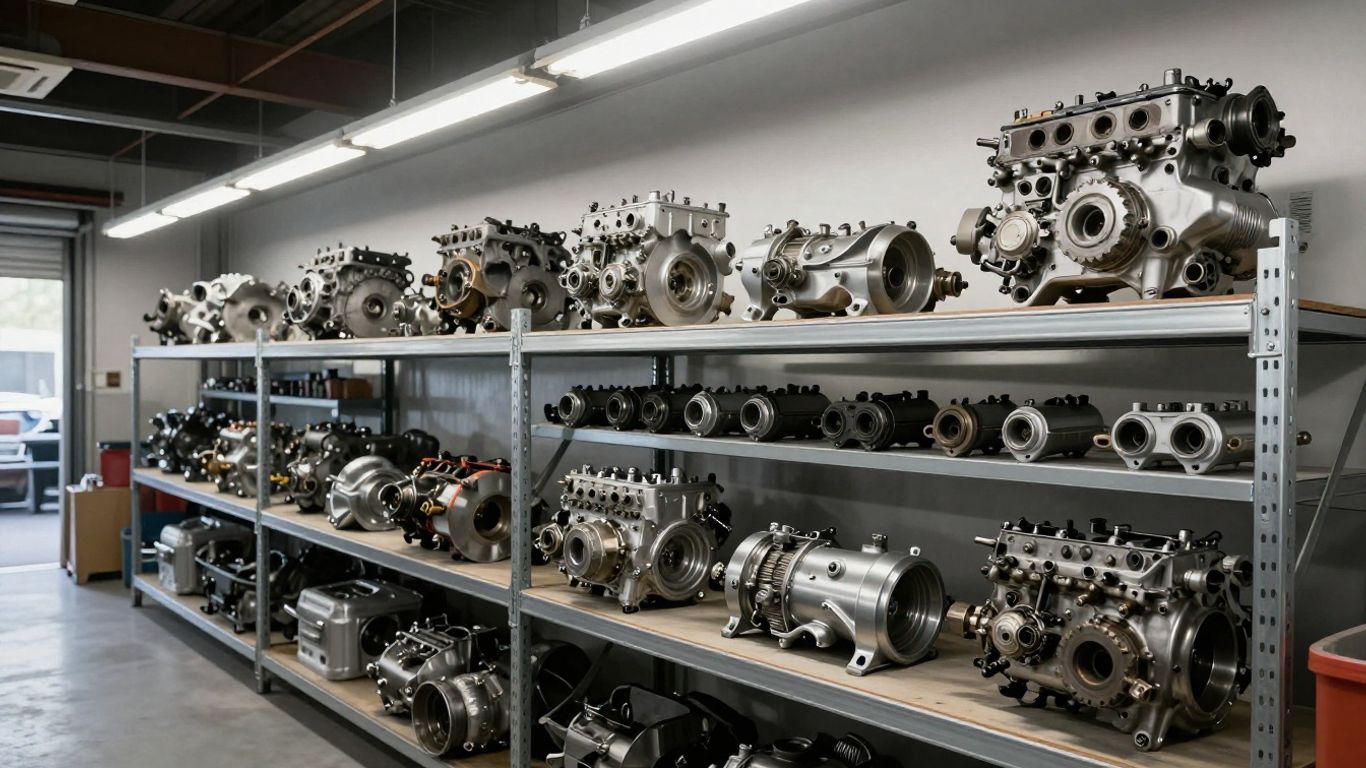
Regional salvage yards often hold a significant stock of donor vehicles, offering an opportunity to physically inspect the parts before purchase. These facilities generally categorize their inventory, making it easier to pull specific mechanical units directly from a vehicle. Professional salvagers typically clean and test items, ensuring that starters, alternators, or suspension arms are viable for reuse.
Online marketplaces and specialized platforms
Digital platforms allow you to search through vast databases without leaving your garage, comparing prices across various regional distributors. These sites often provide detailed data on part origins and vehicle mileage. Users can leverage Alibaba.com to explore a massive selection of components, which is a great starting point for finding parts compatible with your specific build year.
Rebuilt component distributors
Certain shops specialize in taking recovered units and restoring them to original specifications. These distributors test the performance of recovered gearboxes or power steering racks, sometimes offering their own limited warranties. The table below illustrates the common sources for these parts and their primary advantages:
| Source Type | Primary Benefit | Best For |
|---|---|---|
| Local Salvage | Low price | Body panels |
| Online Portals | Vast selection | Rare components |
| Rebuilt Shops | Performance testing | Complex gearboxes |
After identifying a source, always clarify the return policy before finalizing your order, as logistics requirements can vary depending on the part size.
How to verify compatibility and condition
Verifying that a part will fit your vehicle perfectly is the most critical step in the procurement process. Relying on visual similarity is not enough, as subtle engineering changes often occur between production years. Taking the time to validate technical details prevents wasted shipping costs and mechanical frustration.
Decoding the VIN for mechanical matching
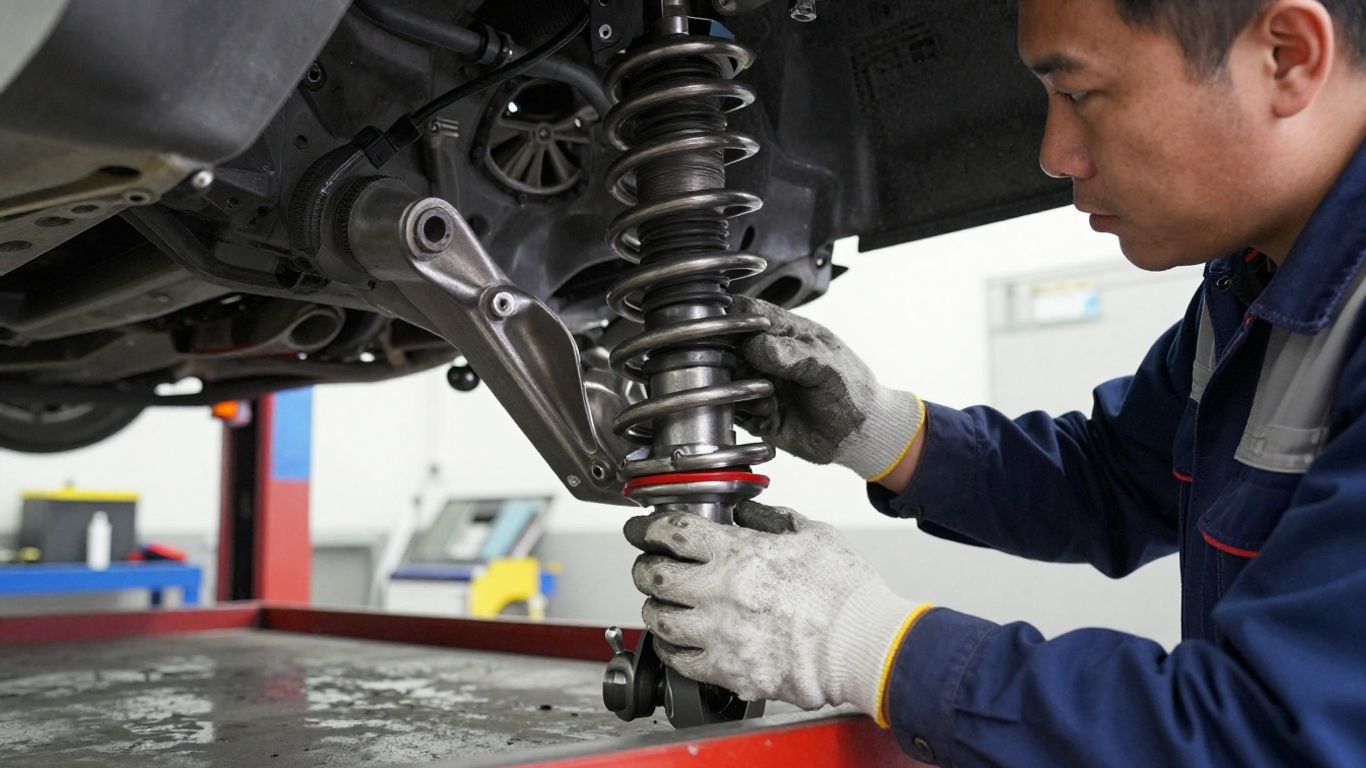
Your vehicle identification number provides the specific blueprint for every part installed on your SUV at the factory. When searching for replacements, provide this code to sellers to ensure the trim level and engine specifications align perfectly. This prevents common errors like buying sensors or electronic modules that have different internal pin configurations.
Inspecting structural integrity of reclaimed parts
When you receive a used part, look for signs of excessive rust, stress fractures, or warped surfaces that might indicate a crash or extreme wear. Use the list below to guide your inspection of structural units:
- Check for cracks in metal mounts or heavy iron castings.
- Verify that electrical pigtails and connectors are not melted.
- Look for signs of leaking fluids inside cooling components.
- Ensure that all threaded mounting points remain free of stripping.
By following these checks, you confirm that the component’s internal condition matches the seller’s description before the installation begins.
Understanding salvage grading standards
Professional recyclers utilize an industry-standard grading system to signify the quality and expected remaining life of parts. These grades often range from A to C, with A-grade parts typically having lower mileage or minimal visible wear. Understanding these benchmarks helps you determine if a particular price point reflects a high-quality unit or a project-level repair piece.
Common pitfalls when buying used car components
Avoiding common mistakes save you from repeating the same repair twice. Even a well-intended purchase can fail if the specific part is incompatible or hidden flaws are overlooked during the initial evaluation. Being diligent during the buying phase is the best strategy for long-term satisfaction.
Identifying hidden damage in body panels
External surfaces can often mask internal structural weakness, particularly in panels that have been repaired or repainted previously. Examine the underside for uneven welds, signs of filler, or mismatched metal textures that suggest a prior collision. A panel that looks straight on top might hide a compromised mounting flange.
Risks of non-original equipment manufacturer components
While some aftermarket parts are high quality, others lack the material specifications of the original items. When buying used, ensure you are getting the genuine part if the system requires tight tolerances, such as fuel delivery or high-pressure hydraulics. Non-original versions might lack the durable coatings or exact fitment that original items provide.
Warranty limitations on second-hand parts
Most salvaged items come with limited coverage, typically focusing on a short-term exchange window rather than a full guarantee. Clarify these limitations upfront so you know what is covered. Most professional salvagers provide a 30-day window, but it is rarely a long-term manufacturer warranty.
Best practices for installing reclaimed Haval H4 parts
Installing a used part requires the same precision as a new one to ensure the vehicle remains reliable. Following technical procedures and documenting your work is vital for your long-term ownership record. Whether working in your driveway or seeking professional assistance, keep safety as your top priority.
Professional installation versus DIY considerations
Complex components like transmission systems or engine electronics are usually best handled by a certified mechanic who can verify fitment before final assembly. If you are comfortable with basic repairs, simpler items like trim or sensors might be suitable for an ambitious DIY session. If the repair involves safety-critical steering or braking systems, always prioritize professional verification.
Updating vehicle management systems after replacement
Modern vehicles often contain internal computers that recognize specific sensors or electronic modules based on their unique identifiers. After installing a replacement unit, you may need to perform a system reset or software re-learn procedure to ensure the new part communicates correctly with the existing network. Ask your mechanic if a diagnostic scanner is required to complete the installation process.
Documentation and maintenance record-keeping
Keep a log of every replacement, noting the source and date for future reference. Consistent documentation adds value to your vehicle and helps track how different parts age over time. This history becomes an essential reference for any future mechanical diagnostics, making subsequent repairs much faster and more accurate.
Conclusion
Source-sourcing reclaimed components is a sophisticated way to manage your vehicle’s health by balancing cost, quality, and environmental impact. By using precise VIN matching, conducting thorough physical inspections, and documenting every repair, you ensure your car maintains its performance throughout its life. With the right tools and knowledge, you can confidently navigate the used parts market to keep your vehicle running exactly as it should for years to come.
Frequently Asked Questions
Are recycled parts as reliable as new ones?
Many salvaged parts offer excellent longevity, especially when retrieved from low-mileage vehicles. Reliability depends on the nature of the part and its previous maintenance history before the donor vehicle was retired.
How does recycling parts benefit the automotive industry?
It extends the life of functional materials, reducing the massive energy cost of forging new steel and aluminum. This practice supports a more circular economy and keeps repair costs sustainable for vehicle owners.
What do I need to prepare before looking for used parts?
Always have your VIN, the specific part name, and the part number ready. These identifiers are essential to ensuring the replacement matches the exact engineering requirements of your car’s build date.
Can I return a used part that does not fit?
Most reputable salvage yards and online sellers provide a return or exchange window. You must check their specific policy before making a payment to avoid issues if the part is incompatible.
Should I install sensitive electronic components myself?
Electronic components often require computer reprogramming or professional scanning tools. Unless you have the diagnostic software, it is usually safer to consult a mechanic to ensure the part is synced with the vehicle’s system.
How can I tell if a body panel has been repaired?
Look for uneven gaps, mismatched paint shades, or filler materials on the reverse side of the panel. Expert inspection often reveals signs of previous impact damage that are not immediately visible from the exterior.
Are there specific parts I should avoid buying used?
Avoid purchasing worn-out wear items like brake rotors, hoses, or delicate internal gaskets that are prone to aging. These are generally inexpensive enough to replace with new parts, ensuring the highest level of safety.