Key Takeaways
Finding affordable repair solutions for your vehicle requires a steady approach and a thorough understanding of the local market. Maintaining your car often involves balancing genuine quality with budget-conscious decision-making.
- Inspect all used components for signs of fatigue or previous collision events.
- Cross-reference part serial numbers to ensure compatibility before making a purchase.
- Visit local wrecking yards early in the week when inventory lists are updated.
- Utilize digital marketplaces to compare pricing across different regions outside Adelaide.
- Consult professional mechanics when handling internal electrical or drivetrain assemblies.
Navigating the market for Haval H6 GT parts in Adelaide
Understanding the local salvage ecosystem
Adelaide hosts a variety of automotive salvage yards that process vehicles from insurance auctions and private owners. For those seeking Haval H6 GT used parts Adelaide, the local ecosystem relies on a network of specialized wreckers who understand the nuances of modern Chinese-engineered SUVs. Sourcing components locally can significantly reduce shipping costs and allow for personal verification of part condition. By building relationships with yard owners, you increase your chances of being notified when a donor vehicle arrives.
Challenges in sourcing parts for newer SUV models
Modern SUVs like the H6 GT incorporate complex technology that complicates the salvage supply chain. Because these vehicles are relatively new, finding specific body panels or electronic units at general scrapyards can be difficult. It is similar to the effort required when managing deductible complexity in a medical billing context, where precision and verified data are paramount to success. Owners often navigate these shortages by monitoring genuine used Haval H6 salvage inventories specifically for high-demand trim levels.
Communicating effectively with Adelaide wreckers
Successful part procurement depends on clear communication regarding your vehicle’s specific variant and production year. When calling a yard, have your VIN and the precise OEM part number ready to avoid confusion. You might also look for local dealers to expand your Vehicle Stock awareness, ensuring you have a complete picture of availability before committing to a purchase.
Identifying common Haval H6 GT components salvaged from wrecks
Body panels and exterior trim pieces
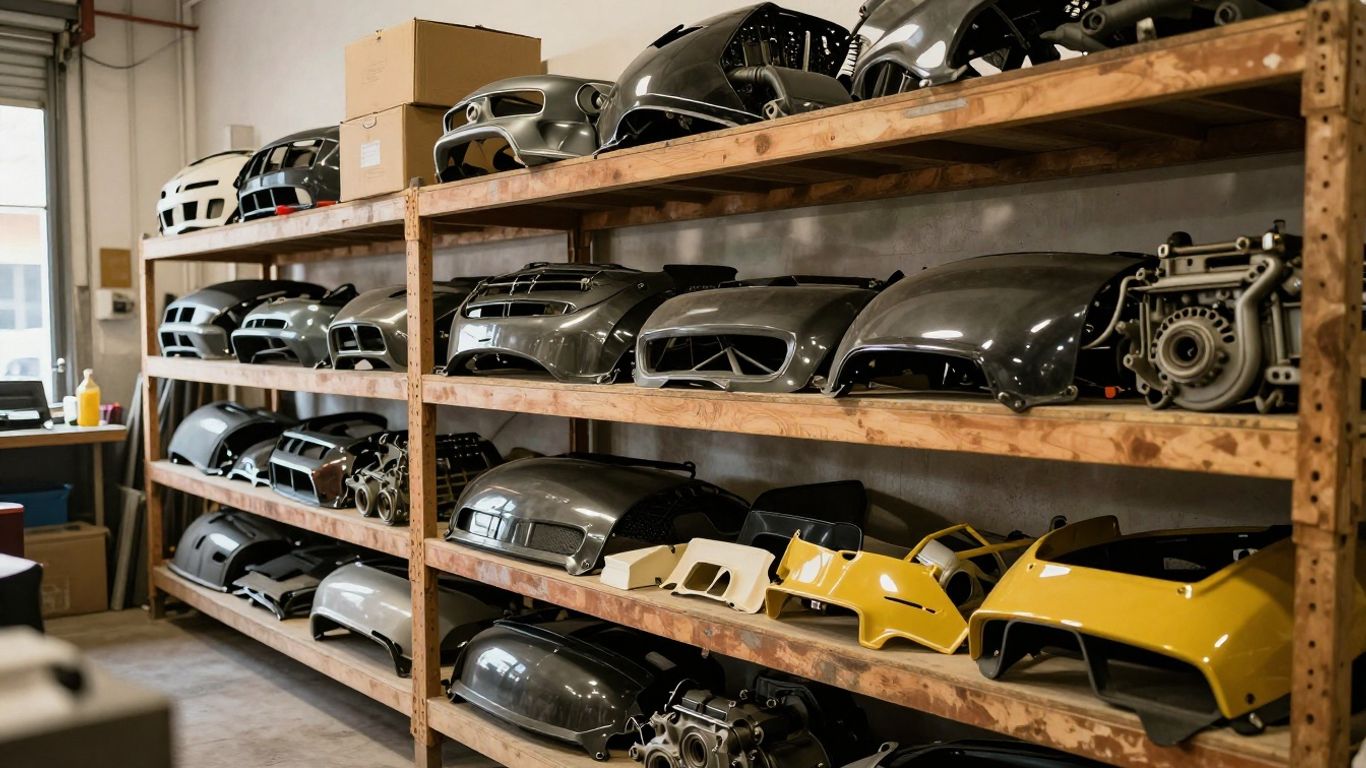
Exterior elements are among the most sought-after items due to their susceptibility to minor road accidents. When searching for replacement bumpers, bonnets, or door skins, it is vital to check for hidden deformations that might affect panel alignment. You can search specifically for these exterior parts through catalogs provided by regional salvage specialists who keep records of incoming stock.
Mechanical components for the drivetrain and suspension
Mechanical longevity is a concern when purchasing used parts, especially for the high-performance variants of the H6 GT. While engines and transmissions are robust, they must be assessed for fluid leaks or signs of heavy track use. It is wise to review your options as carefully as one might analyze futures instruments to ensure you are getting real value for your money. Always verify the mileage history of the donor vehicle whenever the information is available from the yard.
Electrical modules and interior infotainment hardware
Modern electronic modules are VIN-locked or requires dealer-level coding to integrate with a new host vehicle. If you are replacing the infotainment display or a body control module, ensure the salvage yard guarantees the part is functional or returnable. This process might feel as structured as building a social media strategy for a brand, requiring meticulous planning to avoid wasting time on incompatible software versions.
Assessing the quality of used Haval H6 GT parts
Inspecting components for underlying structural damage
Before you finalize a purchase, you must physically touch and inspect the item for hairline cracks or bent mounting brackets. This is a crucial step because structural integrity is non-negotiable for safety hardware. Always verify the structural integrity carefully before bringing any part home, as even a small, overlooked bend can prevent a panel from sitting flush against the chassis.
Verifying part serial numbers and compatibility
Compatibility issues are the primary cause of returns in the used parts industry. You must match the serial number on your broken component with the one found on the salvaged item to confirm specific fitment. It is helpful to visualize this process as a rigorous training routine, much like the commitment observed at a Total Guitar Transformation Academy where every detail of the technique must align for the end result to sound correct.
Handling electronics and software-locked modules
Electronics require a different level of scrutiny compared to mechanical steel. Ask the salvage provider if the module has been tested for connectivity issues or if it shows signs of moisture damage. Managing these systems is complex, and just as one might need to act quickly after an Uber accident, you should move efficiently to install and test these parts to ensure your warranty period does not expire before you confirm operation.
Where to source genuine spare parts near Adelaide
Assessing specialized Haval wreckers versus general yards
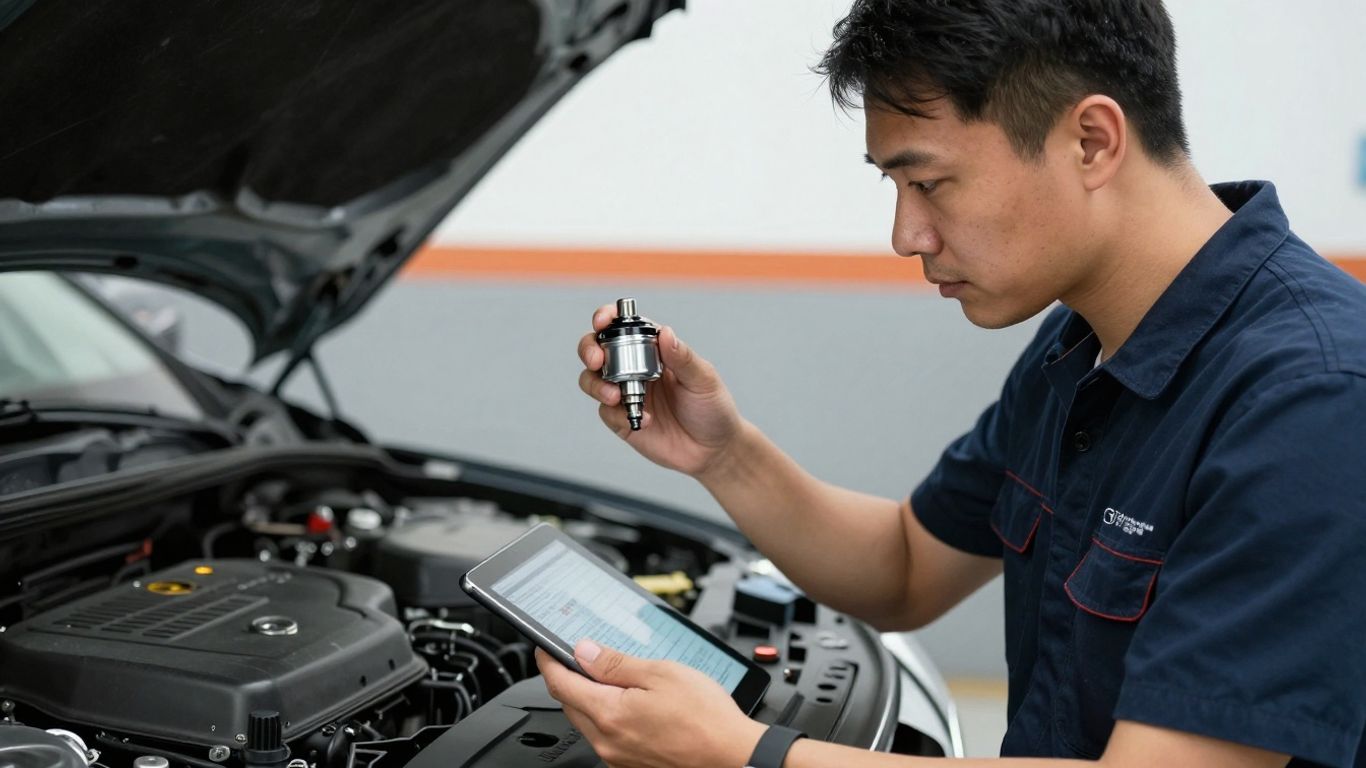
Specialized yards often carry better records and higher-quality stock compared to general salvage heaps. While general yards might have cheaper prices, they rarely offer the depth of knowledge that a shop focused on specific SUV models can provide. You can evaluate the options by comparing their inventory against your local Haval H6 GT needs to find a partner that carries the rare trim pieces you might require.
Utilizing online spare parts marketplaces
Digital marketplaces allow you to reach wreckers all over Australia, expanding your search radius beyond Adelaide. These platforms often facilitate faster communication through inventory logs and automated notifications. The following table provides a breakdown of commonly recommended sources:
| Source Type | Advantage | Best For |
|---|---|---|
| Specialized Wreckers | High accuracy | Mechanical components |
| Digital Marketplaces | Wide reach | Trim and aesthetics |
| Local Dealer Parts | Absolute fitment | Electrical hardware |
After narrowing down your choices, you can decide whether the potential shipping savings outweigh the ability to test the part in person.
Requesting inventory logs from local salvage providers
Asking for a weekly inventory log can save you hours of wandering through muddy yard paths. Many top-tier salvage providers in SA maintain digital lists that can be emailed to regular clients.
- Sign up for email alerts from regional salvage pools.
- Request images of specific components before visiting the facility.
- Confirm the donor car registration year matches your own.
- Coordinate pickup windows to avoid high-traffic hours.
By staying informed about stock updates, you significantly decrease your downtime and ensure that you are first in line for fresh inventory.
Logistics and considerations for local part pickup
Verifying fitment before leaving the salvage yard
Never drive away until you have done a side-by-side comparison of the salvaged part against the one you are replacing. Even a visual inspection of mounting holes and sensor positions can prevent an unnecessary second trip to the suburbs. Ensuring that your bolt patterns and harness plugs align perfectly is a fundamental step for any DIY repair task.
Transporting bulky exterior parts safely
Bulky items like hoods or large bumper covers require careful padding and strapping to prevent transport damage. Use thick blankets and secure the items within your vehicle so they do not slide during tight turns or sudden stops on the road back home. If you are picking up multiple parts, ensure that heavy mechanical items are not placed on top of fragile decorative plastic or glass panels.
Understanding the return policies for used automotive parts
Before payment, clarify what constitutes a valid claim for a refund. Most yards in Adelaide will offer a short exchange window for mechanical parts that arrive DOA, but they might be stricter regarding body panels that were inspected prior to purchase. Always ask for a printed invoice that clearly states the return terms for peace of mind.
Essential tools and tips for DIY Haval H6 GT repairs
Safety precautions when dealing with modern vehicle systems
Always disconnect the vehicle battery before attempting any work on electrical components. Modern SUVs contain sensitive sensors that can be triggered or damaged by accidental shorts caused by standard hand tools. Ensuring a completely de-energized system is the single most effective way to prevent costly mistakes while handling salvaged electronics.
Necessary equipment for removing salvaged assemblies
Having the right assortment of metric sockets, trim pullers, and plastic pry tools is essential for salvaging parts without creating more damage. A battery-powered impact wrench can save much-needed time when removing suspension bolts, but be careful not to overtighten connections upon installation. Clean your workspace before beginning as well, so you don’t lose small fasteners in a cluttered garage environment.
Importance of professional assistance for drivetrain repairs
While aesthetic repairs are manageable at home, drivetrain projects are a different story. If you suspect an issue with the transmission or engine timing, consulting a certified professional is the only way to ensure the vehicle remains reliable and legal for road use. Professional guidance ensures that internal work is verified and that the safety of the vehicle has not been compromised by improper installation.
Conclusion
Successfully sourcing parts for your vehicle is a manageable project when you follow a methodical approach to inventory, inspection, and professional consultation. By localizing your efforts within the Adelaide market and keeping current with the available supply chain, you can keep your car in top condition for years to come. Remember that patience is often your best tool; finding the right compatible component is much more effective than forcing a near-miss part into place. Always prioritize safety, and do not hesitate to seek technical assistance when dealing with complex modern vehicle systems that demand precise expert knowledge.
Frequently Asked Questions
Is it safe to buy used electronic control modules?
It can be safe provided the component has been tested or comes with a functional warranty from a reputable salvage yard. Ensure that the module is not software-locked to another vehicle’s VIN before finalizing your purchase.
What should I look for when checking used body panels?
Look for signs of prior paint touch-ups, warped metal, or misaligned fastening points that suggest the vehicle was in a significant collision. Light surface scratches are usually acceptable, but structural bends or rusted-through sections should be avoided.
Can I use parts from a different H6 variant?
Compatibility depends heavily on the production year and the specific trim levels of the vehicles involved. While some cosmetic parts are interchangeable, internal mechanical and electronic components often require an exact match to the donor car’s specification.
Why do wreckers require my vehicle identification number?
Your VIN contains the specific build code and hardware configuration for your vehicle, which is essential for ensuring that the parts you buy are the correct fit. Providing this number prevents the frustration of buying parts that do not align with your existing mounting holes or software interface.
How do I know if a salvage part is original equipment?
Genuine OEM components will usually feature manufacturer stamps, part numbers, and logos molded into the plastic or stamped into the metal housing. If you are unsure, you can compare the part in question with diagrams found in official repair documentation or consult with a local dealer.
Should I attempt to strip parts from a yard myself?
Self-stripping is generally reserved for those with the appropriate hand tools and experience in automotive teardowns. If you are not confident in your ability to remove complex assemblies without causing further damage, it is better to request that the yard staff handle the removal for an additional fee.
What usually causes common failures in these SUVs?
Common issues typically relate to wear and tear on high-mileage suspension components, sensor fatigue, or minor electronic glitches in the infotainment system. Routine maintenance and avoiding aggressive driving will often mitigate the risks of these parts failing prematurely.