

Key Takeaways
Navigating the world of spare components requires informed decision-making to maintain your vehicle’s performance and safety. Consider these essential points when choosing parts for your SUV.
- Aftermarket components often provide substantial savings compared to dealer-provided alternatives.
- Always prioritize quality by checking manufacturing standards and Australian regulatory compliance.
- Common items like filters, brake pads, and lighting assemblies are widely available from independent suppliers.
- Professional installation is highly recommended to prevent compatibility issues and ensure system integrity.
- Documentation is crucial for protecting your vehicle’s warranty and maintaining a clear service history.
Understanding the benefits of aftermarket parts for Haval
Transitioning to third-party parts is a practical approach for many Australian owners looking to maintain their SUVs. These components often mirror the functionality of originals while offering more flexibility in terms of procurement and pricing. By understanding these options, you can make smarter choices for your vehicle’s long-term upkeep.
Cost-effectiveness compared to original equipment manufacturer parts
One of the primary drivers for opting for non-branded components is the significant price difference. Many genuine and OEM-equivalent Haval spare parts are priced competitively to ensure vehicle owners can handle repairs without breaking the bank.
Availability and shorter lead times
Supply chain constraints can sometimes delay repairs at official dealerships. Independent retailers often maintain robust stock levels, allowing you to access parts quickly and get your vehicle back on the road sooner.
Balancing quality and budget for repairs
Choosing the right part requires weighing the initial cost against longevity. Some aftermarket manufacturers produce items that meet or exceed factory specifications, allowing you to find the right balance between saving money and maintaining performance standards.
Warranty considerations for Haval owners
Many owners worry about their factory coverage when choosing alternatives. It is important to know that in Australia, you have the right to choose where your service is performed and which parts are fitted, provided they meet the manufacturer’s specifications for the vehicle.
How to verify the quality of Haval aftermarket components
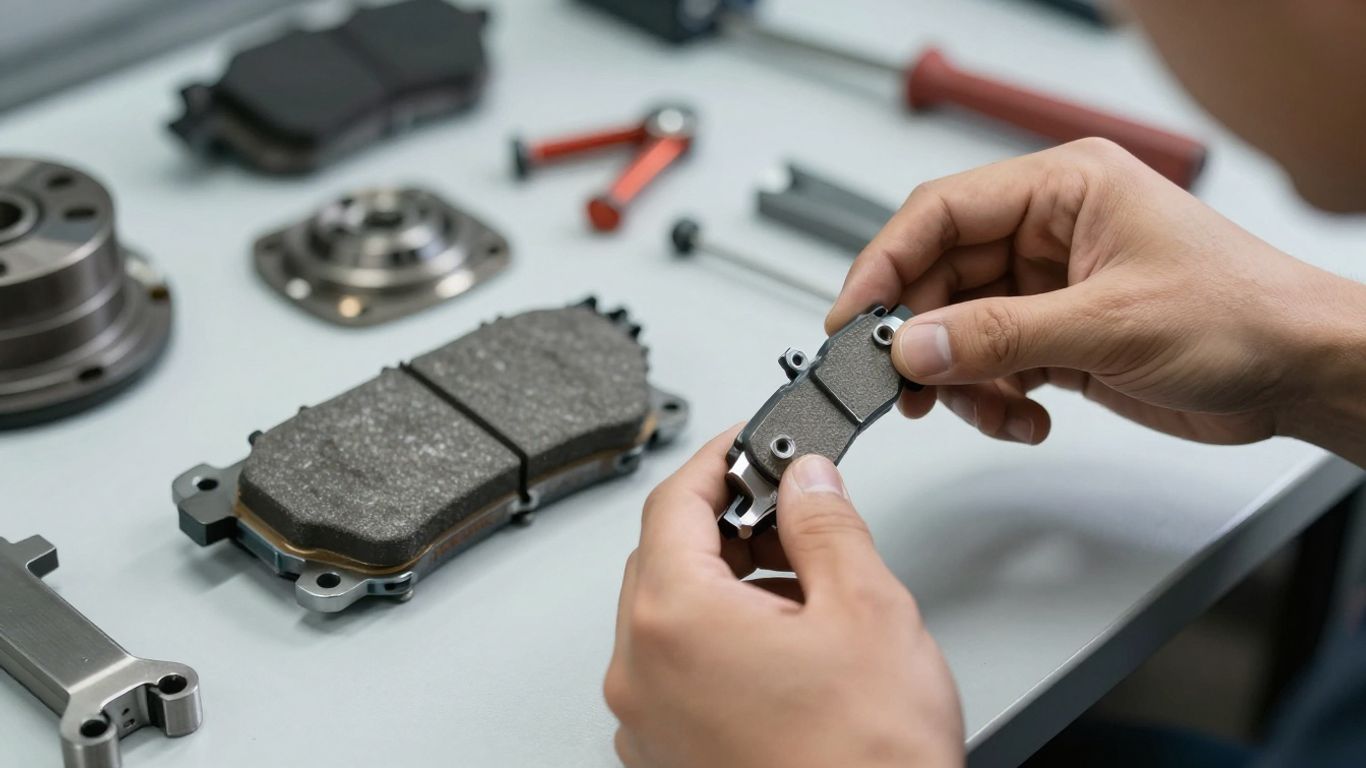
Ensuring the parts you purchase are safe and reliable is a critical step in vehicle maintenance. While the marketplace offers many choices, not all products are crafted with the same commitment to precision. Quality verification starts by paying attention to the details and avoiding overly generic components.
Identifying reputable manufacturing standards
Look for branding and batch numbers that indicate a professional production process. Established manufacturers usually provide clear technical data, helping you verify that the part is designed for exact vehicle compatibility.
Checking for compliance with Australian automotive regulations
Safety is paramount when dealing with critical systems like brakes or steering. Ensure the parts carry legitimate certifications required for use on Australian roads, which confirms they have undergone rigorous testing.
Interpreting material specifications for durability
Review the description of materials used in the part’s construction. For instance, metal components should have clear corrosion resistance, while polymers should be thick and heat-resistant to ensure long-term performance under local driving conditions.
Assessing supplier credibility and return policies
Prioritize vendors who stand behind their inventory. Trusted suppliers typically offer transparent return windows and warranties on their products, which minimizes your personal risk if a component does not fit as expected.
Common categories of Haval parts available in Australia
Finding common maintenance items is usually straightforward, as many parts are shared across the GWM vehicle lineup. Whether you need standard consumables or deeper mechanical components, the market is quite comprehensive for current popular models.
Consumable maintenance items like filters and brake pads
Routine items like air filters, cabin filters, and cabin-specific brake pads are readily available. These are best replaced according to your maintenance schedule, and purchasing them from genuine and aftermarket Haval parts experts in Sydney can simplify the process.
Exterior body components and lighting assemblies
From replacement mirrors to tail lamps, the exterior of your SUV can be easily refreshed. Many suppliers now stock durable genuine GWM Ute and HAVAL SUV spare part/s that match the aesthetic profile of your factory equipment.
Suspension and steering parts for performance tuning
Upgrading your ride quality is a popular modification. Many enthusiasts opt for aftermarket kits to refine handling, though it is vital to ensure these components do not interfere with the vehicle’s electronic stability systems.
Interior accessories and trim pieces
Maintaining the cabin’s appearance often involves replacing worn trim or adding protective gear. The following table highlights common interior and exterior upgrade categories that many owners pursue to improve their daily driving comfort.
| Part Category | Typical Function | Benefit |
|---|---|---|
| Floor Mats | Interior Protection | Prevents carpet wear |
| LED Headlights | Visibility Output | Increases road lighting |
| Cabin Filters | Air Quality | Reduces interior dust |
These components offer a blend of functional and cosmetic improvements for the modern driver.
Where to source reliable aftermarket Haval parts across Australia
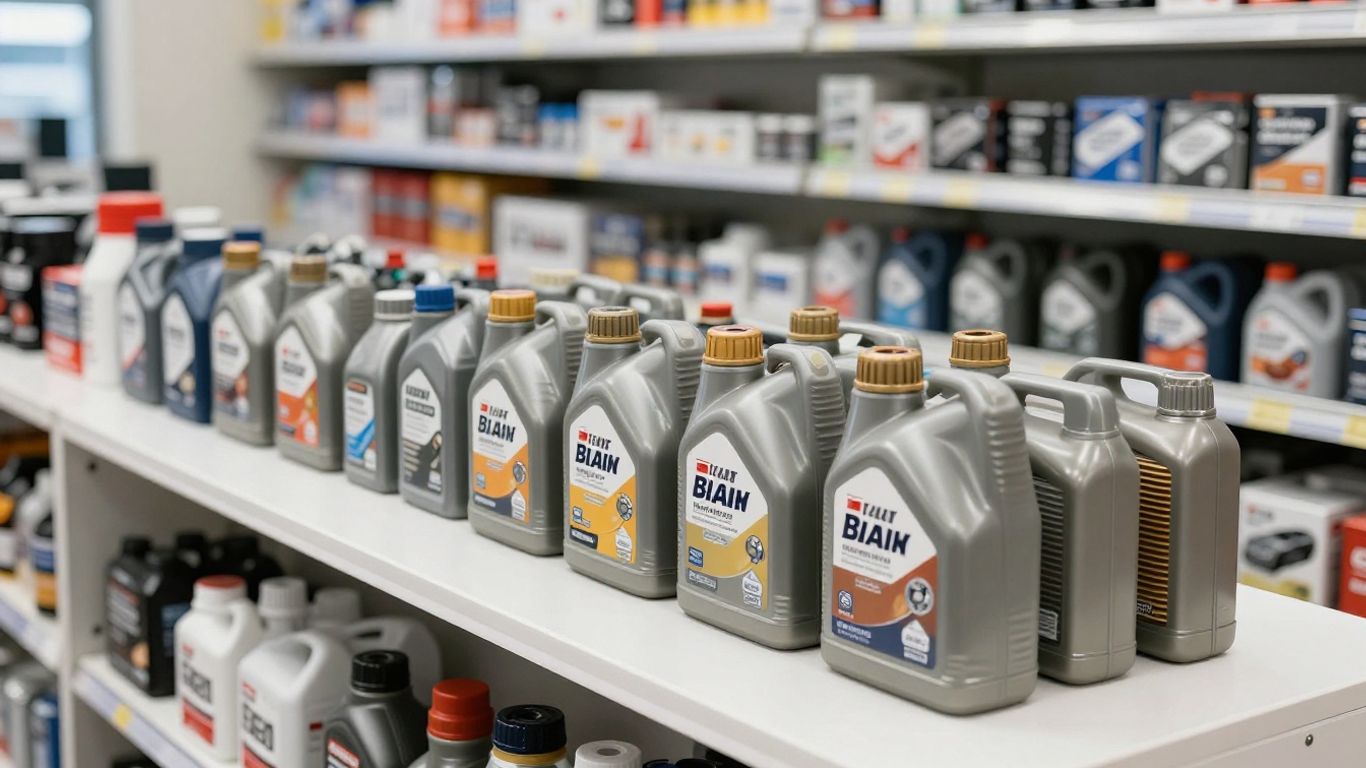
Locating trusted sources is key to a positive ownership experience. There is a wide variety of outlets ranging from local salvage specialists to national online vendors that serve the growing demographic of SUV drivers across the country.
Specialized independent Haval wreckers and breakers
Used parts are a massive resource for budget-conscious owners. Specialized yards often have quality Haval parts and accessories that are pulled from low-mileage vehicles, providing a cost-effective way to source original equipment that is otherwise expensive.
National automotive retail chains and online marketplaces
Large retailers often carry universal parts, but for vehicle-specific needs, online platforms are better. They allow you to cross-reference your specific model, such as the Jolion or H6, to ensure a perfect fitment before you buy.
Risks and benefits of importing parts from international suppliers
While global websites offer vast inventories, they bring risks regarding fitment and shipping delays. Domestic procurement is safer, but for rare items, international shipping might be your only avenue, so exercise caution with unverified listings.
Local mechanic recommendations for trusted aftermarket sources
Your mechanic is your best ally. They have years of experience dealing with suppliers and know which brands provide consistent quality. Asking them for advice can help you avoid common pitfalls and find the most reliable original spare parts for your specific build.
Essential tips for installing aftermarket parts on your Haval
Many modern SUV repairs require specific knowledge to execute safely. If you are comfortable working on your vehicle, you can save on labor costs, but you must respect the complexity of modern engineering.
Importance of professional versus DIY installation
Professional shops possess the diagnostic tools required to calibrate sensors after a component change. If you choose to install parts yourself, consider this list of necessary preparations.
- Confirm the part number matches your vehicle’s build year.
- Acquire the correct set of metric hand tools.
- Research the specific torque requirements for every fastener.
- Ensure you have the appropriate space and lighting to work.
Following these steps reduces the likelihood of damaging sensitive electrical systems that are common in modern vehicles.
Tools and diagnostic equipment required for modern SUVs
Standard wrenches are rarely enough anymore. Modern platforms use specific electronic control units that may require a scanner to reset service lights or initialize new sensors, so choose your projects carefully.
Troubleshooting common compatibility issues
Sometimes a part is meant for a different model year but looks identical. Always perform a preliminary fit test before removing the old component, and verify all connector types match the original wiring harness exactly.
Recording part modifications for future vehicle history
Keep detailed records of every repair, including purchase receipts and dates. This history provides peace of mind when selling your vehicle, as it proves that maintenance was performed with quality-checked materials throughout the ownership period.
Addressing common concerns about vehicle warranty and aftermarket parts
Many owners feel uneasy about whether their choice of parts might void their warranty coverage. Clarifying your legal rights and understanding how manufacturers treat these modifications will clear up much of the uncertainty.
Legal rights regarding third-party parts in Australia
In the Australian market, manufacturers cannot unilaterally void your entire warranty simply because you used an aftermarket component. They are only allowed to deny a claim if the specific non-genuine part is proven to be the cause of the failure.
Documenting installations to maintain vehicle compliance
Maintaining a log of your repairs is essential. If you have services or installations performed by an independent shop, ensure they provide an itemized invoice that lists all the parts used, which acts as proof of compliance should an issue arise.
Risk assessment for powertrain-related non-genuine parts
Engine and transmission components are the most scrutinized. If you choose an aftermarket part for these critical systems, ensure it is built to exceed factory performance requirements to avoid any potential disputes during a warranty claim.
When to opt for genuine parts over aftermarket alternatives
While the aftermarket is excellent, some critical sensors or complex module-based components are best sourced from a dealership. There are moments when the peace of mind offered by genuine parts is simply worth the higher upfront price, particularly for complex internal logic systems.
Conclusion
Selecting the right parts for your Haval in Australia is a manageable process when you prioritize quality, keep detailed records, and rely on reputable suppliers to maintain your vehicle’s performance. By balancing the cost-benefits of aftermarket alternatives with a cautious approach to critical mechanical systems, you ensure that your SUV continues to provide reliable service for many kilometers of driving.
Frequently Asked Questions
Can any mechanic install aftermarket parts on a Haval?
Yes, you can choose any qualified mechanic to install these parts on your vehicle without automatically losing your factory warranty coverage.
How do I know if an aftermarket part meets safety standards?
Always check for local regulatory markings or compliance badges on the packaging and ensure the supplier provides explicit compatibility details for your specific model.
Will using non-genuine filters affect my engine longevity?
High-quality aftermarket filters are designed to provide the same level of protection as genuine ones, provided they match factory flow specifications and filtration efficiency ratings.
Is it safe to buy used parts from wreckers?
Used parts from reputable wreckers can be very reliable if you inspect the part for wear and verify that the donor vehicle did not suffer damage in the area the part came from.
What happens if an aftermarket part causes a mechanical failure?
If the failure is directly linked to the aftermarket component, you would typically seek a warranty replacement from the part manufacturer or the retail vendor rather than the vehicle manufacturer.
Are there specific parts I should always buy genuine?
It is often recommended to stick to genuine options for complex electronic modules, sophisticated sensors, and critical powertrain components where precise calibration is essential for safety.
How often should I update my vehicle maintenance log?
It is best practice to update your log immediately after every repair or service, ensuring you record the part type, manufacturer, and current odometer reading for future reference.