

Key Takeaways
Finding the right salvage parts requires careful research into inventory and seller credentials. Understanding the local market ensures you secure reliable components without overpaying.
- Prioritize wreckers with valid licensing and established industry reputations in New South Wales.
- Always check mileage and service history on mechanical components before committing to a purchase.
- Verify parts compatibility by matching your specific model year to the donor vehicle.
- Use documented warranty terms as a safeguard against receiving non-functional recycled items.
- Consider both immediate cost savings and the environmental advantages of choosing reclaimed auto parts.
Understanding the Haval Dargo salvage market in Sydney
The market for recycled vehicle components in Sydney has evolved significantly as more drivers seek affordable maintenance solutions. Sourcing parts for a modern SUV involves navigating a complex ecosystem of recyclers who specialize in specific makes or general inventories. Finding the right Wanna Parlay strategy for your repair budget requires understanding where these inventory sources originate and how they are categorized.
Assessing the availability of late-model parts
Because the Haval Dargo is a relatively recent addition to Australian roads, availability can fluctuate based on insurance write-offs and trade-in cycles. Most well-connected recyclers regularly update their listings, though you may find that body panels are easier to acquire than niche electronic sensors. Being patient and checking multiple yards across the metropolitan area is often necessary for specific trim or trim-level components.
Differences between generic and brand-specific auto recyclers
Generic yards often manage massive inventories with varying levels of detail, which can make searching for specific Dargo parts time-consuming. In contrast, specialized recyclers focus their attention on specific brands, meaning their staff likely possesses a deeper understanding of the vehicle’s build. These specialists often provide more accurate descriptions of part condition, similar to the precision needed for a CO2 laser skin resurfacing treatment, ensuring you get exactly what you need for your repair.
Legal requirements for legitimate auto wrecking in New South Wales
Legitimate operations in New South Wales must adhere to strict environmental and trade regulations, including the proper disposal of fluids and hazardous materials. When you inquire about parts, a reputable yard will have no issue providing documentation regarding their compliance standards. Choosing a certified recycler protects you from illicit parts and ensures that the business is operating in accordance with regional auto industry mandates.
Identifying the right Haval Dargo wreckers
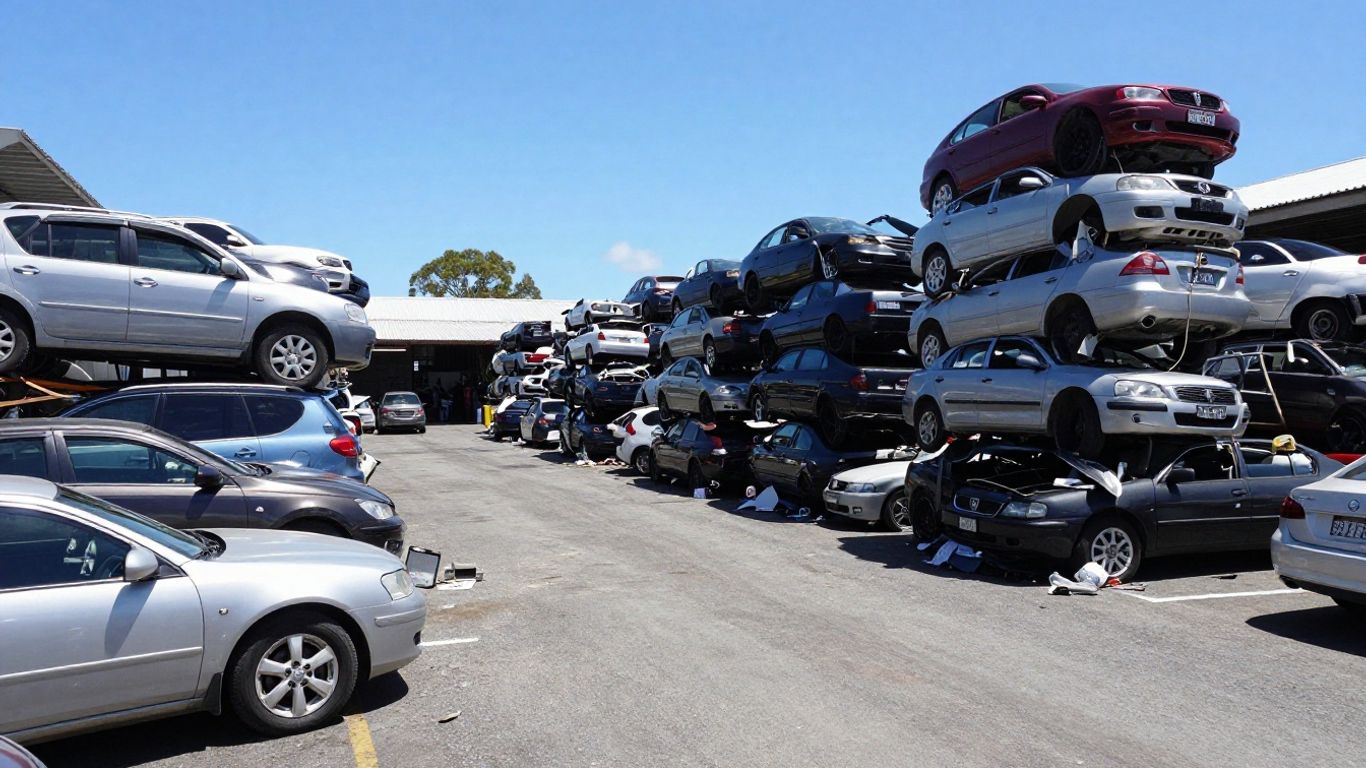
Selecting a reliable salvage yard requires screening for operational transparency and professional standing within the Sydney market. It is helpful to conduct preliminary research to ensure that the business you choose is capable of providing the specific support your repair requires.
Checking professional accreditation and licensing
Always ask for verification of business registrations to confirm that the yard is legally authorized to dismantle and sell automotive parts. While searching for window shades in Ringwood might involve checking simple design catalogues, sourcing automotive components requires higher diligence regarding safety standards. A properly accredited shop will typically showcase their memberships in industry bodies on their premises or website.
Evaluating reputation through customer reviews and industry standing
Countless motorists rely on platforms like carsales.com.au to share their experiences with vehicle service, which often includes mentions of reliable parts suppliers. Look for repeat mentions of good customer service and transparent pricing policies in public feedback sessions. A strong industry standing often correlates with a commitment to resolving issues if a part arrives in unexpected condition, which is a major benefit for DIY mechanics.
Verifying stock inventory for specific Dargo model years
Before you visit a yard in person, ask them to confirm if the donor vehicle matches your specific production year and trim level. Minor changes occur annually, and installing the wrong relay or panel can cause installation headaches that mirror the challenges of fixing renovlies scheuren in outdated plaster. Taking the time to cross-reference part numbers over the phone or email prevents wasted travel time and ensures that you walk away with the correct items.
Commonly sourced components for the Haval Dargo
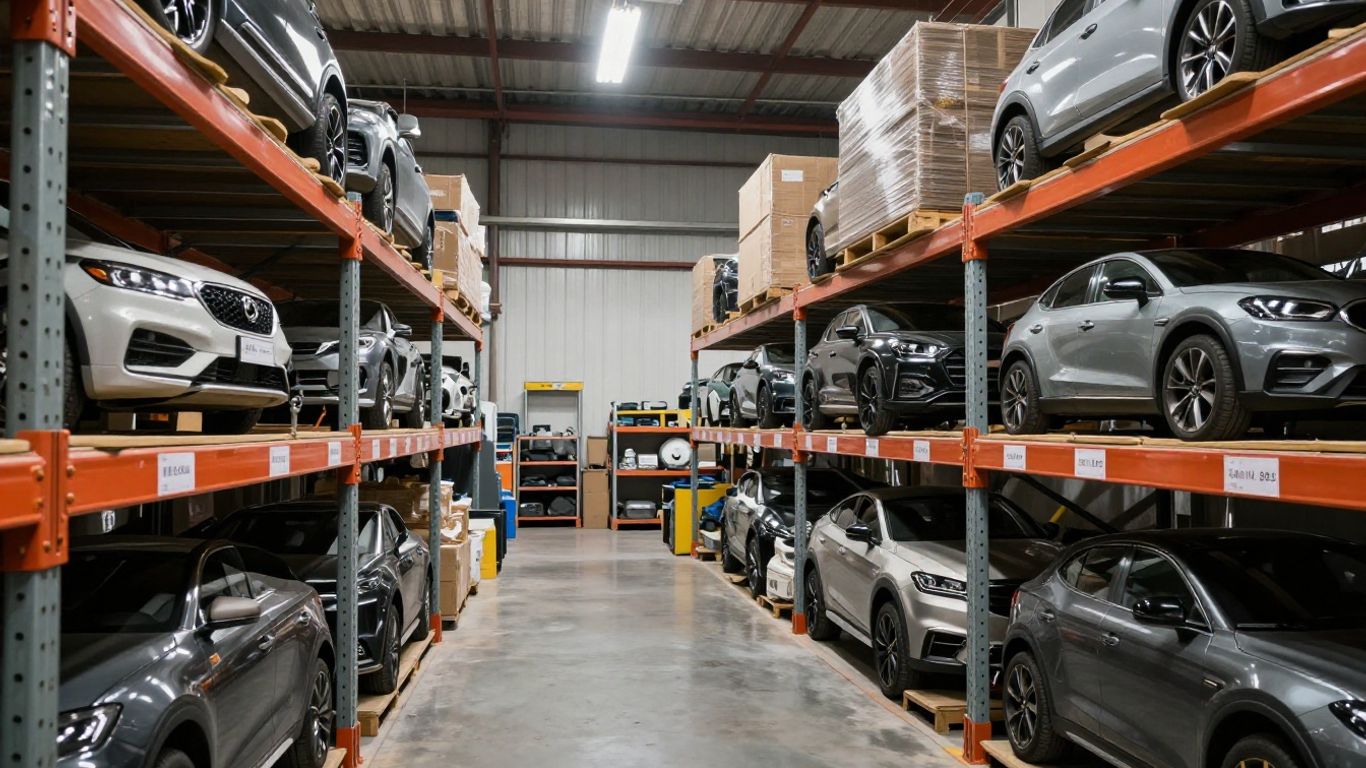
Most owners searching for salvage parts for this SUV tend to focus on items that are vulnerable in daily traffic or prone to standard wear. Identifying these common categories can help you negotiate better deals when you find a reputable supplier.
Mechanical drivetrain and transmission parts
Finding a reliable gearbox or differential assembly can often restore a sidelined vehicle to full operation at a fraction of the cost. These items require careful inspection of the housing for cracks or signs of impact before you commit to the purchase.
- Complete transmission assemblies with low mileage.
- Driveshaft segments that remain straight and true.
- Differential housings with seals intact.
- Engine mounts showing no rubber degradation.
Following the identification of these parts, ensure you verify the donor’s service history, as high-mileage drivetrain components may lead to premature failure in your own vehicle shortly after installation.
Body panels and exterior trim compatibility
Minor cosmetic damage is common, and finding panels in the correct factory color can save you significant time and money on professional paint shop services. Use the following breakdown to assess whether a salvage panel is viable for your restoration project:
| Part Section | Condition Indicator | Potential Cost Benefit |
|---|---|---|
| Front Bumper | Check for deep gouges | Moderate Savings |
| Door Panels | Look for mounting tab damage | High Savings |
| Side Mirrors | Verify electronic motor function | Extreme Savings |
| Tailgates | Check for rust-free seals | Moderate Savings |
By ensuring the panel’s mounting points remain fully intact, you can achieve a professional-grade fit without the need for excessive bodywork adjustments or alignment corrections.
Electrical modules and infotainment system components
Digital modules in modern SUVs can be expensive to replace new, making recycled units a popular choice for savvy owners. These are sensitive items that require careful storage by the recycler to avoid moisture damage or short circuits. If you encounter issues with these electronics, consult an expert or check resources for common issues like неисправность трапеции дворников, which can often be diagnosed by specific, recurring warning signs.
Suspension and steering gear condition assessment
Suspension components endure constant stress, so it is vital to audit these items for fatigue, oxidation, and structural integrity. Even if components look okay, testing them against professional standards or checking them at a trusted автосервис Haval can provide the peace of mind you need for safe daily operation.
Quality control when buying recycled auto parts
Quality assurance should be your top priority when selecting salvage items to ensure your vehicle remains safe and roadworthy. Being able to distinguish between a functional component and one that has reached the end of its life cycle requires a keen eye and a bit of practical testing.
Signs of high-quality versus damaged salvage components
Look for hardware that has been carefully removed rather than ripped from the chassis, as well as parts free from excessive oxidation or thermal warping. Items that have been stored in climate-controlled environments are generally more reliable than those left exposed to the elements. High-quality parts often retain original factory stickers and consistent color finishes, while damaged items may show signs of chemical leaks or fraying.
Importance of mileage verification for mechanical parts
Mechanical parts have defined functional lifespans, so verifying the total kilometers on the donor vehicle is absolutely essential. A well-maintained, low-mileage component offers significantly more value than a high-use part that is nearing its service limit. Don’t be afraid to ask for the odometer reading or a picture of the dashboard from the original vehicle to corroborate the seller’s claims.
Documenting parts history and service records
Whenever possible, ask for the VIN of the donor vehicle to cross-check maintenance records or accident history through national databases. If a recycler offers logs of the vehicle’s maintenance schedule, this provides a clearer picture of how the part was treated throughout its operating life. Maintaining these records yourself is a smart way to track your own vehicle’s upgrades, similar to the organized process of requesting car transport quotes when planning a long-distance move.
Warranty terms and return policies at Sydney wrecking yards
Even with the best inspections, sometimes a part might fail or prove incompatible after installation. A professional wrecker will offer a standard warranty period, often ranging from 30 to 90 days, which covers hidden defects or functional failures. Before you finalize any deal, clearly specify what the return policy is if you discover a fault upon installation or professional testing.
Cost-benefit analysis of salvage parts versus brand new
Choosing recycled parts is a strategic decision that balances upfront expenses against long-term vehicle depreciation and repair needs. It is rarely a black-and-white choice, as some systems perform better with factory-new components while others are perfectly suited for the salvage market.
Price comparison for OEM versus aftermarket recycled parts
Original Equipment Manufacturer parts typically command a premium, but selecting an OEM recycled part allows you to keep original factory specifications at a drastically lower price-tag. Aftermarket parts can be cheaper, but they sometimes lack the perfect fitment and material quality found in original components.
Long-term savings on maintenance and repairs
By leveraging salvage for non-wear-critical items like trunk liners, headlight assemblies, or interior trim, you can reallocate your budget toward high-priority maintenance. These savings accumulate over time, potentially preventing a situation where you are forced to prioritize repairs due to limited funds.
When it makes sense to choose new parts over salvage
It is generally recommended to avoid using salvage for safety-critical items like brake pads, airbags, or certain structural suspension bolts that are designed for singular, high-tension use. When the cost of a new component is relatively low compared to the risk of a premature failure, purchasing brand new is the most reliable approach for peace of mind.
Understanding the environmental impact of recycling auto parts
Every time you choose a recycled part, you reduce the demand for raw material extraction and energy-intensive manufacturing processes associated with new parts. Recycling keeps massive amounts of metal and plastic out of landfills, contributing to a more sustainable automotive industry in Sydney. Furthermore, reusing functional components helps extend the operational life of vehicles, delaying the need for scrappage and overall resource consumption.
Conclusion
Navigating the world of Haval Dargo wreckers in Sydney is an accessible process if you approach it with research and a clear understanding of your vehicle’s needs. By balancing the cost-benefits of salvage parts with proper quality checks, you can maintain your SUV efficiently while supporting local recycling efforts and reducing your environmental footprint. Whether you are sourcing cosmetic trim or major mechanical assemblies, prioritizing professionalism and transparency will ensure your vehicle remains in top condition for years to come.
Frequently Asked Questions
Is it safe to use recycled suspension parts on my SUV?
It is generally safe if you thoroughly inspect the parts for structural damage or fatigue. Avoid components that show signs of severe rust or deformation, and consider getting them inspected by a technician before fitting them to your Dargo.
How can I tell if an electrical part from a wrecker is still working?
While you cannot perform a full diagnostic test in the yard, look for signs of dry storage and intact pins or connectors. Check if the wrecker offers a warranty or a trial period, which is the most reliable way to ensure the unit is functional.
Can I find factory-colored body panels in Sydney salvage yards?
You can often find body panels in your vehicle’s factory color, which can save you significant time and money on repainting. Use your car’s paint code to match the panels during your search, though minor fading from sun exposure should be accounted for when assessing the match.
Do wreckers provide professional installation services?
Most salvage yards are focused on dismantling and selling parts, not providing repair services themselves. However, many reputable wreckers have networks of partnering mechanics, so feel free to ask if they can refer you to a shop that is familiar with Haval models.
What should I do if a part I purchased does not fit?
If you have confirmed that the part is incorrect for your specific model and year, contact the wrecker immediately with your purchase receipt. Most yards with a professional return policy will allow an exchange or refund provided the part remains in the condition it was sold and is returned within the stated warranty window.
Does buying salvage parts void my factory warranty?
Installing recycled parts generally does not void your entire factory warranty, but it may affect coverage for the specific system you are working on. If your Dargo is still under its original manufacturer coverage, consider if a repair with official parts performed by a certified dealer is a better long-term decision.
How does mileage on a donor vehicle influence the value of a part?
Parts from lower-mileage vehicles are typically more valuable and reliable because they have experienced less mechanical wear and tear. Always prioritize donor vehicles with verified, lower odometer readings when sourcing components like transmissions or steering assemblies to maximize the remaining lifespan of the salvage item.