Key Takeaways
Finding the right components for your vehicle involves understanding the regional salvage networks. Use these core principles to guide your search for quality components.
- Prioritize dealers who provide detailed history on donor vehicles.
- Cross-reference part numbers to ensure specific trim compatibility.
- Always ask for written warranty documentation before completing a transaction.
- Inspect electrical components for signs of corrosion or moisture damage.
- Combine local search efforts with online inventory tracking for better results.
Where to find reliable Haval H6 used parts in Melbourne
Sourcing parts in a major city requires building connections within the local automotive network. Whether you are performing minor maintenance or major repairs, knowing the landscape helps avoid common pitfalls associated with third-party components.
Identifying reputable wreckers specializing in Chinese vehicles
Focus on businesses that concentrate on specific makes to ensure staff recognize the intricacies of GWM and associated platforms. All Good Parts serves as a common resource for those seeking specific model components by maintaining clear records of salvaged inventory.
Visiting local salvage yards across the Melbourne metro area
Physical visits allow you to inspect the physical state of items like body panels or interior upholstery in person. Established Noble Auto Parts enables owners to browse their dismantling operations to find salvaged components that help keep maintenance costs manageable.
Utilizing online inventory portals for Haval components
Many vendors now aggregate their yard data into digital databases, allowing you to filter by specific model year and engine type. Most effective searches follow a structured approach to filter out irrelevant items before making a request:
- Search specifically by the manufacturer part number found on the original unit.
- Confirm the build date of the donor car matches your own vehicle’s requirements.
- Contact the yard directly to verify the physical existence of the item before traveling.
Following these steps significantly reduces the time spent driving between locations while increasing the likelihood of securing an exact match.
Assessing the reputation of second-hand parts dealers
Before finalizing a purchase, look for transparency regarding how the dealer stores and handles salvaged stock. Reliable dealers provide clear explanations of an item’s history, which is essential for long-term health of your repaired vehicle.
Inspecting used Haval H6 parts for longevity
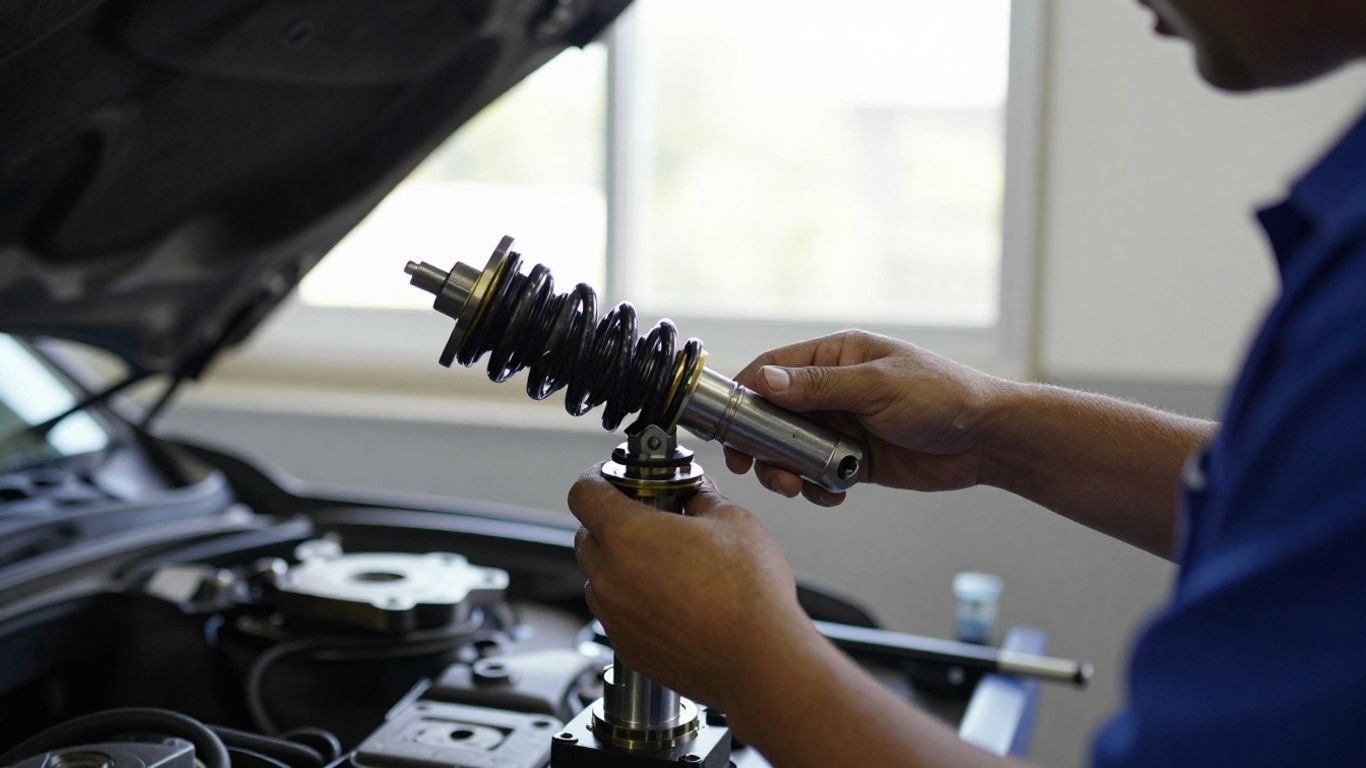
Visual assessment is the first line of defense against choosing an unreliable component. Even when a dealer claims an item is in good condition, verifying specific mechanical markers ensures the longevity of your repair.
Checking for signs of wear in suspension and chassis components
Inspect rubber bushings for dry rot, cracking, or signs of oil impregnation which might indicate a failing boot. Pay close attention to the metal frames for any surface ripples that suggest a history of extreme impact, as these deformations are difficult to undo through simple surfacing.
Verifying the condition of electronic control units and modules
Electronic components are sensitive to environmental damage, particularly moisture ingress that can corrode internal pins. Ensure the casing remains fully sealed and look for any discoloration around the connection ports that might signify previous overheating.
Assessing exterior body panels for hidden structural damage
Body panels often hide repair history in the form of mismatched paint thickness or inconsistent gapping between mounting points. Run your hand across the underside of the panel to feel for coarse filler materials or uneven welds that indicate a budget repair was performed in the past.
Evaluating the mileage and service history of the donor vehicle
Requesting the odometer reading of the donor car provides context for the potential remaining lifespan of mechanical assemblies like gearboxes or alternators. If the donor vehicle underwent regular servicing, the components salvaged from it are statistically more likely to function reliably during secondary installation.
Key benefits of choosing recycled Haval parts
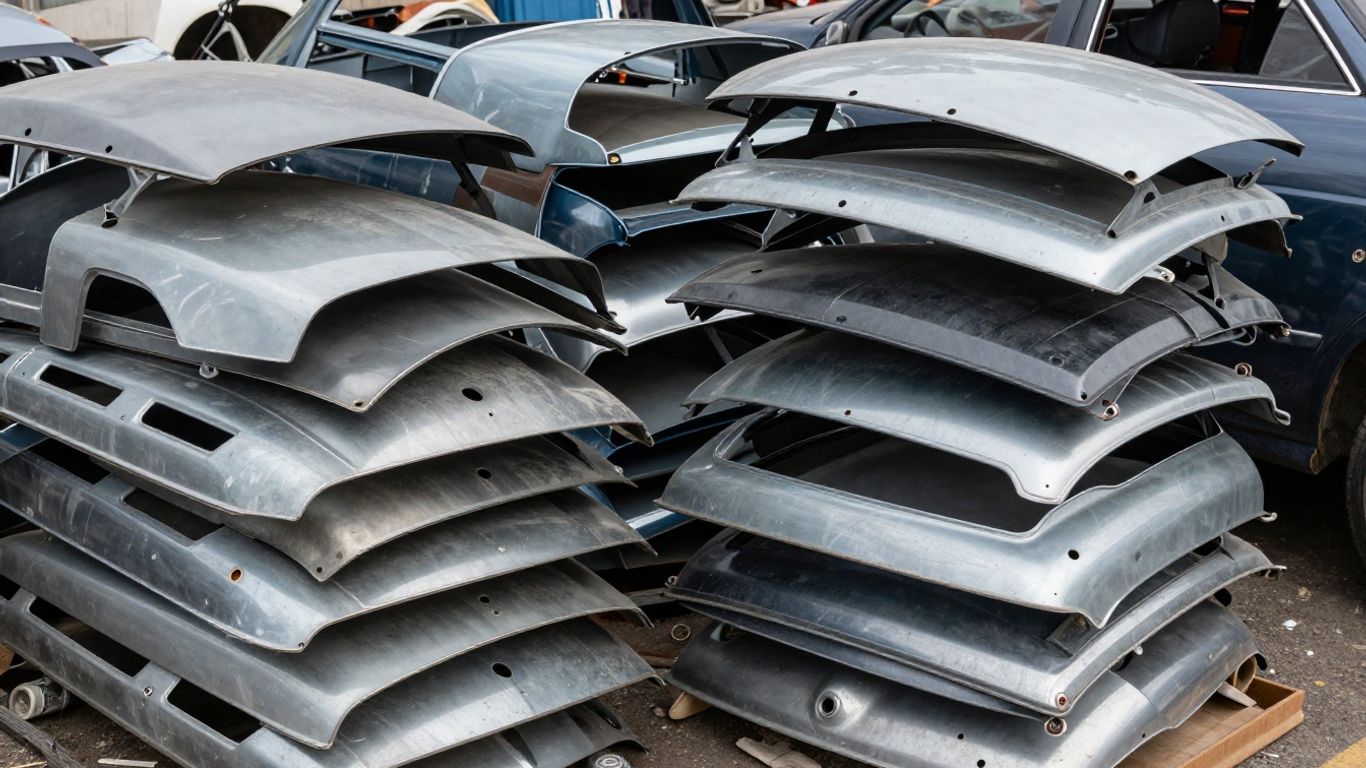
Choosing recycled components offers a balance between budget constraints and operational requirements. This approach proves especially useful when specific items are no longer available through primary retail channels.
Significant cost savings compared to OEM dealership prices
Salvaged items are priced significantly lower than brand-new units, allowing owners to perform necessary repairs without breaking their budget. The following table illustrates typical pricing structures found when comparing salvaged items against standard retail benchmarks:
| Part Category | Estimated Savings | Quality Rating |
|---|---|---|
| Engine Assemblies | 40-60% | Variable |
| Body Panels | 50-70% | High |
| Sensors and Modules | 30-50% | Moderate |
These cost differences represent a standard market trend where recycled parts provide high value for older vehicles. Always clarify if the price includes or excludes potential shipping fees to your local workshop.
Environmental impact of choosing automotive recycling
Choosing components that remain in the supply chain reduces the demand for new resource extraction and raw material processing. By extending the life cycle of parts through Blackburn GWM maintenance practices, you actively lower the overall carbon footprint associated with your vehicle’s ownership period.
Immediate availability for older or rare model variants
When manufacturers discontinue specific lines, finding brand-new components can become a significant challenge for ongoing repairs. Recycled parts represent the most effective way to source these items without waiting for back-ordered international shipping.
High-quality testing standards maintained by professional wreckers
Modern recycling facilities perform rigorous testing to ensure items are functional before they reach the consumer. This vetting process provides peace of mind that a cheaper part will not lead to immediate failure upon installation.
Protecting your investment with warranty and return policies
Understanding the legal and procedural safeguards is vital when buying items from a third-party source. While these parts are used, consumers retain rights that should be documented thoroughly during the transaction.
Understanding standard warranty terms for salvaged parts
Every transaction involving salvaged components should include a basic written warranty that covers part failure within a set period. This document identifies the specific limitations of your coverage and should always be stored for at least the duration of the guarantee.
These protections serve as a buffer against unforeseen technical issues emerging shortly after you have installed the replacement unit into your vehicle.
Documenting the installation process for warranty validation
Keep detailed records, including timestamps and photos, of how the part was integrated into your vehicle. If a claim ever becomes necessary, this evidence proves the failure was not due to an improper installation method by a DIYer or unlicensed mechanic.
Asking dealers about return fees and policy exclusions
Some dealers apply restocking fees or exclude specific items like opened electrical goods from standard return policies. Clear up these details via email communication so you have a digital paper trail regarding the agreed-upon conditions before you drive to the facility.
Requesting documentation for part compatibility validation
Before finishing the sale, ask for the donor vehicle’s specification to confirm the part fits your specific build year. It is better to verify the part number in advance than to manage a return process after failing to install a mismatched component.
Best practices for installing used Haval H6 components
Installing components correctly is just as important as choosing the right items in the first place. Proper mechanical care ensures that your Haval remains safe and responsive on the road.
Ensuring compatibility for specific build years and trims
Variations in electrical architecture between model years can cause significant issues during installation. Consult technical manuals to see if your trim requires unique plug configurations that might differ from mid-production updates.
Matching part numbers to avoid sensor calibration issues
Modern vehicles rely heavily on specialized modules that require precise calibration to communicate with the central computer. Using the Ringwood GWM guidance for d2aa ensures that you are following authorized procedures, though you should always verify that a replacement part’s code aligns exactly with your original factory unit.
Choosing a mechanic experienced with GWM and Haval vehicles
An experienced technician understands the specific failure modes associated with specific platforms. Their familiarity with the vehicle speeds up the installation process and minimizes the risk of accidental damage during the removal or replacement of delicate mechanical systems.
Safety considerations when handling used mechanical parts
Salvaged fluids, sharp edges, and tensioned springs represent real hazards to anyone not trained in workshop safety. Wear appropriate personal protective equipment and ensure the vehicle is properly supported on professional jack stands before attempting any work underneath the chassis.
Conclusion
Sourcing and installing used components is a practical strategy for maintaining the performance and reliability of your Haval H6 in the Melbourne area. By focusing on verified dealers, conducting thorough physical inspections, and documenting every step of your installation, you effectively secure your investment while managing ownership costs responsibly throughout the vehicle’s lifespan.
Frequently Asked Questions
Is it safe to use salvaged electrical sensors in my Haval?
Yes, provided you test the sensor for continuity and ensure the pins show no signs of corrosion before permanent installation.
How can I be sure a salvaged part will actually fit my vehicle?
Always compare the serial numbers printed on your current part with the one you intend to buy and verify the build date of the donor car.
Are recycled body panels generally in good condition?
Most salvaged panels from reputable yards are in good condition, though you should inspect them for hidden repair marks or poor paint adherence.
Do used engines come with any sort of guarantee?
Many professional wreckers offer a limited-time warranty on major mechanical units like engines and gearboxes, but you must ask for these terms in writing.
What should I do if a part I purchased does not work?
Immediately document the issue with photographs and contact the seller with your receipt and warranty information to discuss a return or replacement.
Can I install these parts myself if I am comfortable with basic tools?
Many components are straightforward to swap, but anything involving sensors or engine management should be checked by a professional to ensure safety and calibration.
Why do some wreckers refuse returns on specific electrical parts?
Electrical parts are highly sensitive, and incorrect installation could cause damage to the component or your vehicle’s computer, leading to restricted return policies.