
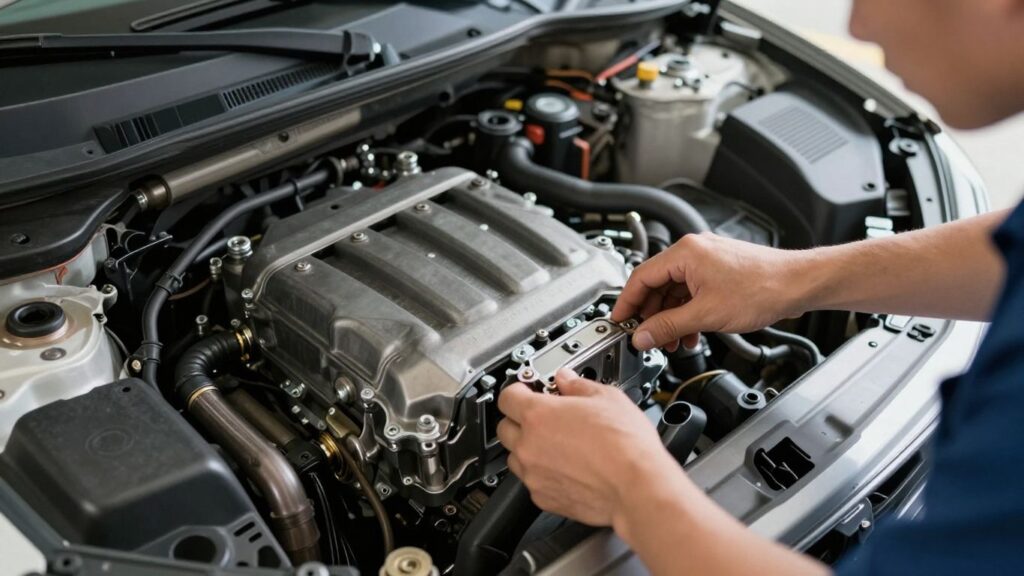
Key Takeaways
Finding the right components for your vehicle can be a straightforward process when you prioritize authenticity and model compatibility. Utilizing high-quality second-hand parts effectively manages repair costs without sacrificing vehicle performance.
- Prioritize manufacturer-stamped parts over generic aftermarket alternatives.
- Verify holograms and part numbers to ensure authenticity.
- Use reputable specialized marketplaces to source reliable components.
- Always inspect used parts for structural damage before installation.
- Confirm VIN compatibility for all electronic control modules.
Understanding the value of genuine used Haval parts
Choosing the right components is the deciding factor in how your vehicle performs over time. When you select official gear, you are essentially ensuring that the engineering standards remain consistent with the day the vehicle left the factory.
Benefits of choosing OEM components over aftermarket alternatives
Opting for original equipment provides a baseline of quality that generic manufacturers rarely match in their designs. When you install an original part, you align with the precise engineering tolerances intended by the vehicle architects, which reduces the likelihood of premature wear or connectivity issues.
Distinguishing between refurbished and standard salvage parts
It is helpful to differentiate between items reconditioned by professionals and those pulled from a yard without testing. Refurbished parts often include new seals or internal sensors, whereas salvage components are typically sold as-is after initial removal from a donor vehicle.
Calculating the environmental and cost-saving advantages
Repurposing existing parts is an effective way to minimize the carbon footprint associated with new component manufacturing. Beyond the ecological impact, this sustainable practice serves as a smart financial strategy for owners looking to keep their repair budgets manageable.
| Part Category | Estimated Savings | Quality Assurance |
|---|---|---|
| Body Panels | 40% – 60% | Variable |
| Mechanical Sensors | 30% – 50% | High (Tested) |
| Interior Trims | 50% – 70% | Visual Inspection |
These cost-saving figures demonstrate why many owners rely on Haval spare parts in the UAE to maintain their vehicles without excessive expenditure.
Identifying authentic Haval components
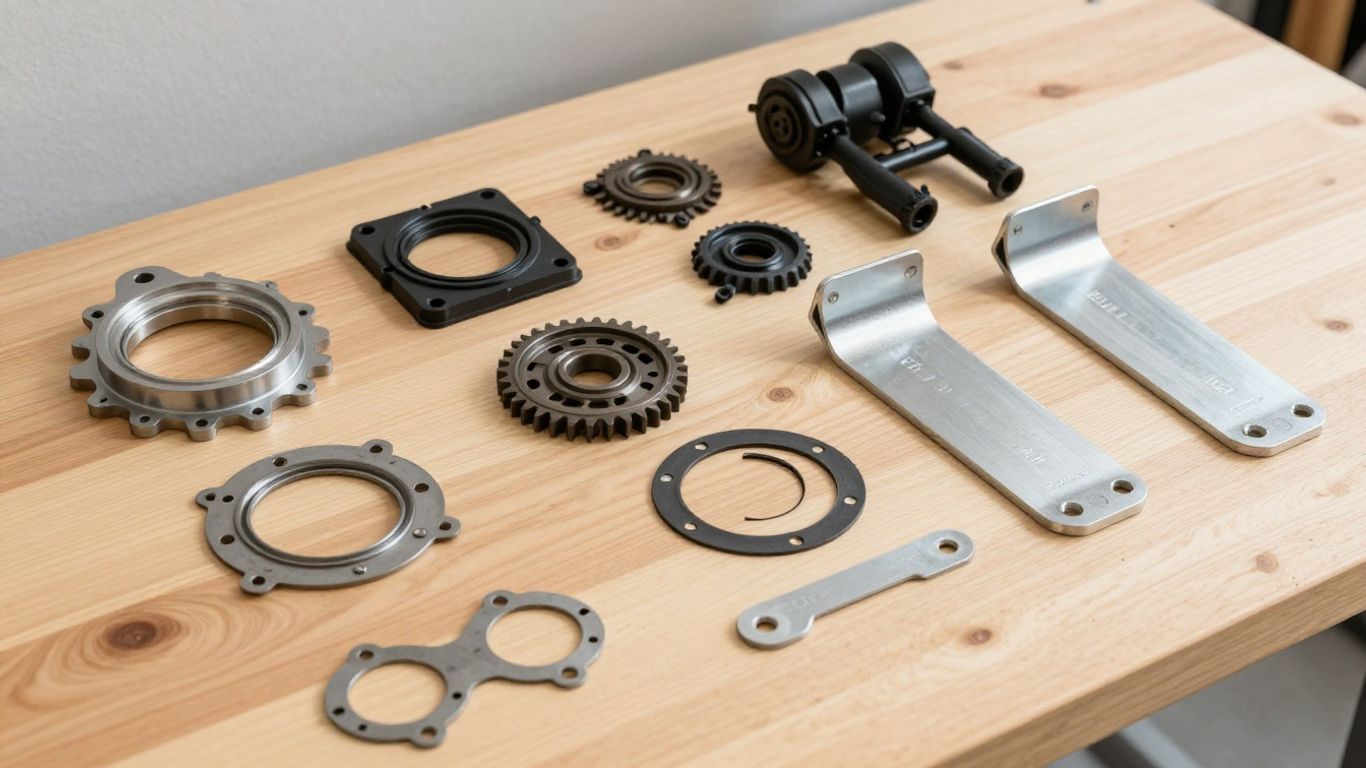
Authenticity verification is a critical stage that prevents your vehicle from being compromised by inferior third-party substitutes. Before moving forward with any purchase, take the time to compare the item against known manufacturer standards.
Verifying manufacturer part numbers for accuracy
Manufacturer part numbers serve as the digital fingerprint for your vehicle’s systems. Always cross-reference the number etched into the casing against the specific catalog for your trim level and year of production to ensure an exact match.
Checking for original GWM and Haval holograms or markings
Original parts feature specific security markings that certify they have cleared rigorous quality control protocols. These holograms are difficult for third-party producers to replicate accurately, making them a primary indicator of genuine construction.
Inspecting physical manufacturing stamps for build quality
Look for crisp, legible stamps that indicate material grade and production date, rather than blurred or inconsistent markings. If you are exploring genuine GWM Haval parts, the quality of the finish and the clarity of these stamps will often tell you more about the part’s integrity than the seller’s description alone.
Where to source high-quality used Haval parts
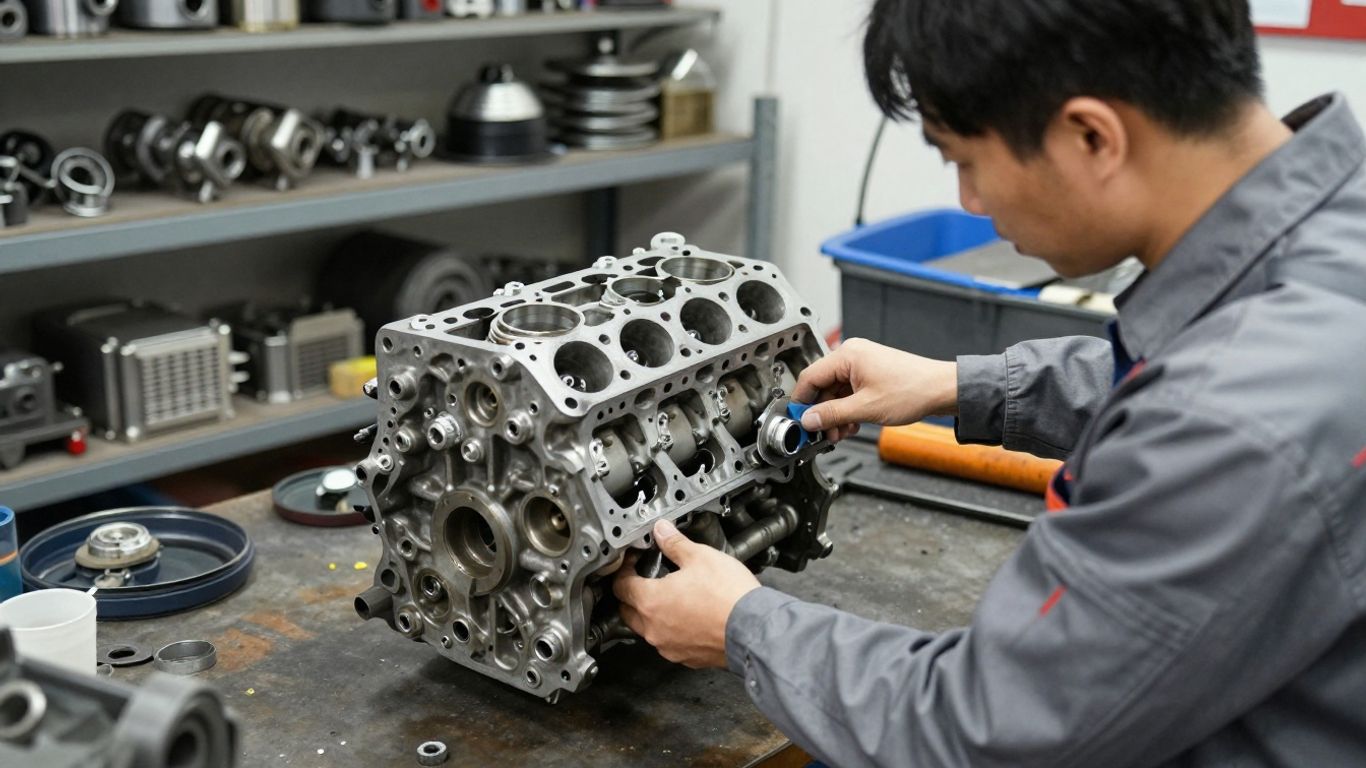
Locating a reliable source requires a mix of research and local knowledge to ensure the components you buy are both functional and legal. You will find that established players often provide better safeguards and return policies than unverified private sellers.
Navigating reputable auto dismantlers and scrap yards
Auto dismantlers are physical hubs where you can sometimes inspect the donor vehicle before a part is removed. While this is hands-on, the benefit of observing the environment where the car was kept often provides extra confidence in the quality of the salvage.
Utilizing specialized online marketplaces for GWM vehicle parts
Online platforms streamline the search process by aggregating inventory from multiple locations, allowing you to filter by specific model year or region. Many owners find success using resources such as Haval auto parts suppliers on Made-in-China.com because these databases are typically indexed by specific OEM standards.
Evaluating the credibility of local wrecking dealerships
Local dealerships that specialize in wrecking often maintain a steady flow of inventory for specific brands. When dealing with these businesses, inquire about their history and whether they offer any limited guarantees on mechanical performance, as transparency is often the primary indicator of a trustworthy partner.
Essential inspection tips before purchasing
Physical evaluation is the most reliable way to confirm that a used component has not reached its functional limit. Even if the part looks clean, small mechanical discrepancies can often dictate its long-term reliability.
Assessing wear and tear on critical mechanical components
Check for signs of fatigue such as oxidation on electrical connectors, play in mechanical joints, or thinning on friction surfaces. While visual inspection cannot detect every internal fault, these signs are immediate red flags that the component has seen significant service time.
Identifying structural signs of previous accident damage
Look closely at mounting points and brackets for signs of stress marks, cracks, or non-factory refinishing. If a part has been repaired after a collision, its original structural integrity may be compromised, making it unsafe for use on your vehicle.
Requesting donor vehicle history reports and testing data
Always ask for documentation detailing the mileage and condition of the donor car at the time of harvesting. Having access to specific records helps you understand the operational history and whether the part was already on the verge of failure.
- Review total vehicle mileage history.
- inspect for fluid leak patterns on seals.
- Confirm the reason for vehicle retirement.
- Request electrical bench test results.
This data gathering process is essential to avoid purchasing damaged units that would require immediate secondary repairs after installation.
Compatibility and installation considerations
Installation success relies on technical accuracy and ensuring the correct fitment for your vehicle’s unique configuration. Even if a part is physically identical, internal variations can lead to errors if the electronic mapping is not aligned.
Cross-referencing components for specific Haval models
Always check if the part is compatible with your specific build date, as subtle changes within model years frequently occur in modern automotive design. Using HAVAL Jolion parts at Elite Parts or similar specialized sources ensures that you are matched with the components tested for your specific platform.
Understanding VIN-specific requirements for electronic modules
Electronic modules often contain firmware locked to a specific vehicle’s VIN, requiring professional coding after replacement. Skipping this step usually results in system diagnostic errors, rendering the new part non-functional despite correct physical installation.
Preparing for professional installation versus DIY efforts
While some enthusiasts enjoy the challenge of home repairs, critical systems like brakes or engine timing often require professional tools and calibrated torque settings. Weigh the potential cost of labor against the peace of mind that comes with a certified installation, especially when dealing with safety-critical hardware.
Conclusion
Sourcing used parts for your SUV is a practical way to balance maintenance costs with vehicle longevity, provided you approach the task with careful research and verified data. By leveraging reputable suppliers and performing thorough physical inspections, you can ensure that every replacement maintains the standard of your ride. Whether you are dealing with minor trim issues or major engine components, sticking to the guidelines of authenticity and model-specific compatibility will keep your Haval on the road safely.
Frequently Asked Questions
How often should I check the condition of my used parts?
You should inspect your installed used components during every routine oil change to detect early signs of wear or failure before they cause larger mechanical issues.
Can I use parts from older Haval models on newer vehicles?
Compatibility varies greatly because internal engineering often changes between generational updates; always verify part numbers and consult a professional catalog before assuming cross-generational fitment.
What are the most common signs of a counterfeit car part?
Common warning signs include poor packaging quality, lack of specific security holograms, irregular or sloppy manufacturing stamps, and pricing that is significantly lower than the standard market rate.
Is it safe to buy used electronic modules for my car?
You must ensure the module has been tested and wiped of previous VIN data before purchase, otherwise, it may require expensive dealer-level intervention to function in your vehicle.
Why does the VIN matter when buying used parts?
The VIN is the unique identifier for your specific build configuration, and using it ensures that the replacement part matches your car’s exact mechanical and software requirements.
Are recycled parts as reliable as new ones?
Used parts are reliable if they have been inspected, tested, and vetted for structural integrity, though they may have a shorter lifespan compared to brand-new components from a factory.
Where can I find the official part number for my vehicle?
Official part numbers are typically located on the physical label of the old part itself, or you can retrieve them by providing your vehicle’s VIN to an authorized dealer’s parts department.