
Key Takeaways
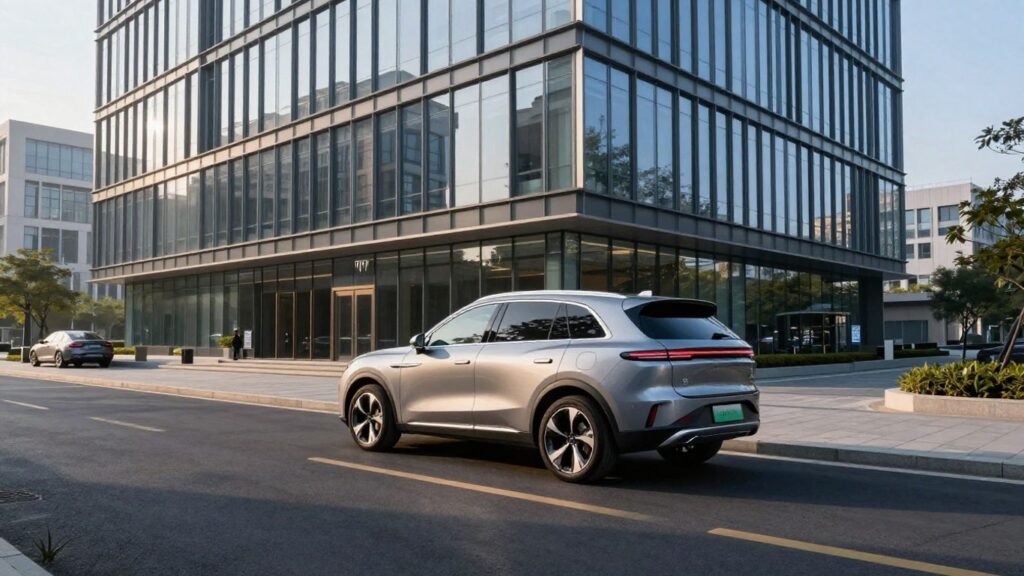
Choosing the right vehicle for your daily needs involves balancing performance, safety, and long-term utility across the available range. This guide highlights the core strengths of the current lineup to help you make an informed decision.
- Diverse powertrain options range from traditional petrol engines to self-charging and plug-in hybrid systems.
- Modern safety technology and advanced driver assistance suites provide consistent peace of mind.
- Compact and mid-size SUVs offer versatile cargo solutions tailored to different lifestyle requirements.
- Regular maintenance schedules and strong warranty terms contribute significantly to overall ownership value.
- Understanding specific trim differences ensures you get the features that matter most to your driving habits.
Performance and power in Haval SUVs
Understanding which vehicle suits your needs starts with looking at how different models handle the road. Whether you require a vehicle for urban commuting or weekend adventures, focusing on Haval models specific to those tasks provides clarity. GWM engineers these vehicles to offer balanced performance profiles for various drivers.
Engine specifications across the current lineup
The current engine lineup focuses on delivering power delivery that feels responsive during city driving and stable on highways. Most models utilize turbocharged petrol engines, which are designed to offer a balance between power and torque for everyday usage. Drivers can often select from different displacement sizes based on their preference for either fuel conservation or sustained acceleration capability.
Transmission types and driving dynamics
Transmission choice significantly influences how a vehicle responds to driver input. Modern gearboxes in these vehicles are tuned to shift smoothly, ensuring power is managed efficiently. Depending on the model, you might encounter different transmission setups:
- Dual-clutch transmissions offer quick gear changes, ideal for active driving conditions.
- Traditional automatic gearboxes provide high levels of reliability and refined power delivery for daily commuting.
- Intelligent AWD systems automatically adjust torque distribution between axles to maintain composure through changing road conditions.
Selecting a setup that matches your driving style is key to enjoying the vehicle over the long term.
Off-road capabilities versus city performance
Balancing city agility with off-road potential requires suspension and structural considerations that vary across the range. While some models are optimized for fuel-sipping highway cruising, others incorporate hardware designed to assist on uneven terrain.
| Feature Type | City Focus | Off-Road Focus |
|---|---|---|
| Suspension Tuning | Optimized for comfort | Reinforced for durability |
| Drive Modes | Eco and Normal | Gravel and Mud modes |
| Ground Clearance | Standard height | Increased clearance |
By matching your terrain needs to these mechanical profiles, you can ensure your choice is well-suited for your specific environment. The versatility inherent in these designs serves as a foundational element of the GWM engineering philosophy when developing vehicles for global markets.
Safety features and technology integration

Safety remains a central pillar of design, ensuring that all passengers are protected by robust systems and intelligent monitoring. These frameworks work quietly in the background to maintain vehicle stability, a priority often reflected in the way Haval H6 integrates sensor data with active control systems. You deserve a cabin that prioritizes security just as much as comfort and style.
Advanced driver assistance systems and autonomy
Autonomous driving aids have become standard, providing support for lane-keeping, emergency braking, and adaptive cruise control. These systems monitor the vehicle’s position relative to road markings and other commuters to help prevent incidents. They are particularly useful during long journeys where driver fatigue might otherwise affect vigilance, and they serve as an essential part of modern vehicle automotive innovation standards.
Infotainment and smartphone connectivity options
Connecting your personal devices to the dashboard has become incredibly seamless, allowing for easy access to navigation, music, and communication tools. Today’s software interfaces are designed for quick processing, avoiding the sort of lag that plagued early digital automotive systems. If you need a digital guide for optimizing your online or offline footprint, you might look into a b71c related resource, though your vehicle software will handle your digital media needs efficiently enough.
Safety ratings and structural crash protection
High-strength materials are strategically placed throughout the cabin to minimize impact forces during collisions. These structural choices, combined with airbag arrays and passive restraint systems, are tested under strict global standards. The reliance on structural integrity alongside digital aids ensures a comprehensive safety approach, not unlike implementing f700 for securing access within a complex data hierarchy.
Fuel efficiency and hybrid technology
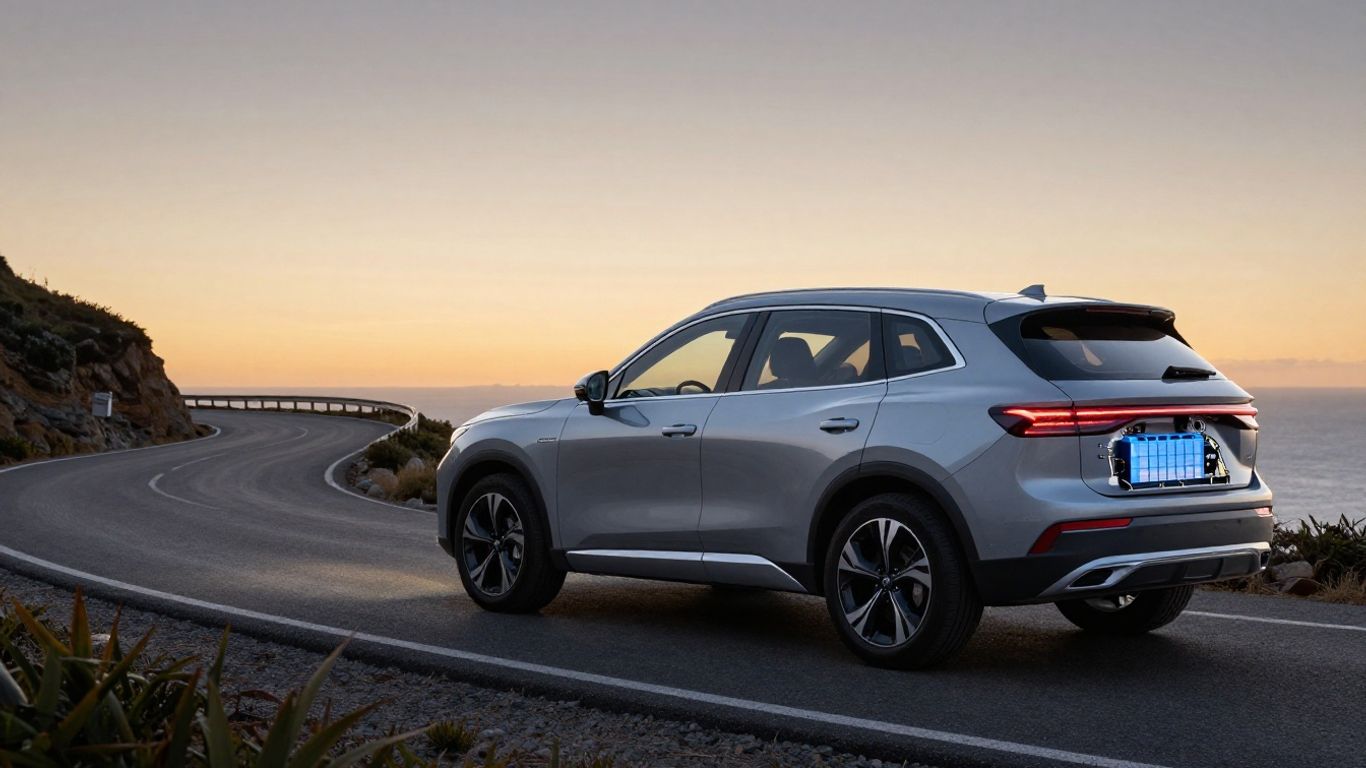
Rising fuel costs have made efficiency a paramount concern for many car buyers, pushing manufacturers toward more advanced electric-assisted options. By using a hybrid setup, internal combustion engines can run at optimal efficiency, while electric motors handle stop-start duties. This transition is essential for those balancing the Haval Jolion performance goals with a need for reduced running costs in high-traffic cities.
Understanding the hybrid powertrain configurations
The hybrid technology found in recent SUVs combines high-efficiency gasoline engines with powerful electric traction motors. Rather than relying on a complex external charging network, many of these systems utilize regenerative braking to recharge the battery during deceleration. This is an elegant solution for drivers who want the benefits of electrification without changing their fueling habits.
Real-world fuel consumption expectations
Expectations for fuel consumption should always account for driver behavior, vehicle load, and external conditions like traffic density. Under normal commuting conditions, these hybrids manage to recover energy that is typically lost as heat during braking. If you are restricted by new legislative requirements or a 1a5a for young drivers regarding power-to-weight ratios, these efficient hybrids remain a practical choice. They offer excellent range for both city loops and long-distance highway travel.
Charging considerations and battery maintenance
For those choosing plug-in models, maintaining the charging cable and monitoring battery charge levels becomes part of the weekly routine. Managing your home charging setup is straightforward, and the long-term health of the battery is protected by sophisticated thermal management systems. For those who enjoy the latest tech like you might find during a 5632, managing a vehicle battery is equally intuitive and requires very little specialized knowledge.
Interior comfort and cabin space
Comfort within the cabin is defined by how the ergonomic layout interacts with the materials used on the surfaces. A well-designed interior should provide enough room for every passenger, ensuring that longer journeys do not result in physical strain. Whether you are daily commuting or taking long trips, the tactile quality of the surfaces under your touch really impacts the user experience.
Evaluating premium upholstery and materials
Quality materials define the feel of the cabin, with soft-touch plastics and high-grade fabrics often featuring prominently. For those seeking maximum comfort, simple interior upgrades—such as adding a eb4d—can provide superior climate regulation throughout the seasons. Choosing models with seat ventilation or heating further enhances the feeling of luxury, making the interior feel well-tailored for your specific climate.
Cargo capacity and seat folding configurations
Versatility in storage is achieved through rear seats that can be folded to maximize floor space. These configurations allow owners to switch between passenger transport and hauling large items with minimal effort. The ease with which these seats fold dictates how practical the vehicle is for families or hobbyists needing extra space on short notice.
Ergonomics for passenger comfort on long trips
Ergonomic design covers everything from the placement of the armrest to the curvature of the seat back. Proper lumbar support is essential for mitigating back fatigue during lengthy highway segments. When all controls are easily reachable and visibility is unobstructed, the driver can focus entirely on the road, increasing both safety and enjoyment.
Pricing and ownership value
Evaluating the value of an investment involves looking beyond the sticker price to consider reliability and operational costs over several years. Different trims offer various feature sets, and finding the balance between a base model and a premium option is crucial. As a 1d0e for those seeking longevity, looking at reliable maintenance records is just as important as the initial cost.
Comparing base models to top-tier trims
Base models provide all the essential mechanical reliability while allowing budget-conscious buyers to enter the market at a lower price point. Top-tier trims, conversely, add features like upgraded sound systems, panoramic sunroofs, and advanced sensor arrays that can change the character of the vehicle. Making sure you compare the exact features included in each tier helps you avoid paying for technology that does not add value to your unique lifestyle.
Long-term maintenance and service schedules
Adhering to the recommended service intervals is the most effective way to protect your investment over the long term. Regular checks of fluids, filters, and brake systems prevent minor signs of wear from becoming major repair costs. A consistent service history is also a massive advantage when the time eventually comes to trade in or sell your vehicle, as it demonstrates to the next owner that the car was treated with care.
Warranty coverage and brand resale value
Comprehensive warranty coverage acts as a financial safeguard against unexpected technical failures during the initial years of ownership. Strong warranties reflect a brand’s confidence in the build quality of their fleet, which in turn influences resale values across the secondary market. A clear, transferable warranty package is often a significant selling point for prospective future buyers, contributing to the overall ownership satisfaction.
Conclusion
Selecting the right vehicle from such a diverse range involves assessing your personal needs for performance, safety, and daily utility. By carefully weighing the different powertrain options and interior packages, you can identify the model that fits your lifestyle perfectly while maintaining strong value over the coming years.
Frequently Asked Questions
What are the main differences between hybrid and petrol SUVs?
Hybrid vehicles utilize an electric motor alongside a petrol engine to optimize fuel usage, especially for stop-start city driving, whereas petrol SUVs rely entirely on internal combustion for power. Petrol models usually have a lower initial purchase price, but hybrids often prove more economical in environments with heavy traffic congestion.
Does a 360-degree camera system improve parking safety?
A 360-degree camera system provides a bird’s-eye view of your surroundings, making it significantly easier to navigate tight parking spots or busy streets. By eliminating hidden blind spots, it helps prevent minor collisions and scrapes that occur during low-speed maneuvering in crowded areas.
Should I choose all-wheel drive for urban driving?
All-wheel drive is primarily beneficial if you frequently encounter slippery road surfaces, such as wet roads, snow, or steep inclines. For purely urban driving on well-maintained pavement, front-wheel drive is often sufficient and may assist with slightly better fuel efficiency since there is less drivetrain weight to move.
How often should I perform routine vehicle maintenance?
Routine maintenance intervals typically follow the manufacturer-provided schedule found in the vehicle’s manual, usually ranging between 10,000 to 15,000 kilometers or every twelve months. Keeping to this schedule ensures that safety and performance remains consistent, as the engine and mechanical components are checked for wear regularly.
Do plug-in hybrid SUVs require a home charging station?
While plug-in hybrid SUVs can be charged using a standard wall outlet, installing a dedicated wall box charger can significantly reduce charging times. You do not strictly need a home station to own a plug-in vehicle, but it adds a level of convenience for daily recharging that many owners find worth the investment.
What does the safety rating of a car actually measure?
A safety rating represents how well a vehicle protects its occupants during controlled crash tests and how effectively its active technology avoids potential collisions. These independent tests simulate various accident scenarios, providing a standardized score that allows buyers to judge one model against another regarding occupant protection.
How do interior materials affect comfort on long trips?
High-quality cabin materials, such as supportive upholstery and soft-touch points, help reduce driver and passenger fatigue by providing a more relaxed environment. Better materials also tend to offer better thermal properties, keeping seats comfortable throughout the temperature changes of a long-distance road trip.