

Key Takeaways
- Understanding the parts landscape helps you avoid common pitfalls when repairing your vehicle.
- Reliable sources include salvage auctions, online platforms, and brand-specific enthusiast communities.
- Proper inspection of used components is essential to ensure long-term reliability and safety.
- Always cross-reference VIN and serial numbers to guarantee that parts fit your specific H7 model.
- Professional installation and thorough documentation are critical for maintaining the car’s integrity and value.
Understanding the Haval H7 spare parts landscape
Maintaining a mid-size SUV requires an awareness of available components to keep the vehicle running smoothly. Sourcing parts for specific models often involves balancing quality requirements against availability, especially when dealing with international vehicle exports.
Common maintenance needs for the H7
Routine care for this SUV typically involves addressing filters, brake pads, and suspension bushings after reaching certain mileage markers. Owners often prioritize replacing these consumables with reliable hardware to restore optimal driving dynamics.
Identifying original equipment manufacturer (OEM) versus aftermarket parts
Distinguishing between standard factory components and secondary market alternatives is vital for your budget. OEM elements ensure the exact factory specifications are met, whereas aftermarket options can offer cost-effective alternatives if they meet safety standards.
Challenges of sourcing specific Haval components
Many owners find that specific interior panels or electronic control modules can be difficult to locate due to limited local stock. Leveraging platforms like Partfinder UAE can bridge the gap by connecting buyers with a wider network of suppliers who specialize in Haval spare parts.
The trade-off between used and remanufactured options
Choosing between salvaged or professionally rebuilt hardware depends on the criticality of the system. Remanufactured items might offer a warranty, while used parts are often the most affordable way to restore functionality in non-critical systems. Here is a quick breakdown to assist your decision making:
| Part Category | Condition Concern | Cost Effectiveness |
|---|---|---|
| Electronic Modules | High risk of failure | Low |
| Body Trim | Cosmetic only | High |
| Engine Internals | High wear potential | Medium |
Where to reliably source used Haval H7 parts
Locating quality components requires patience and research into your regional supplier network. Whether you are shopping locally or abroad, having multiple options ensures you aren’t paying a premium for simple repairs.
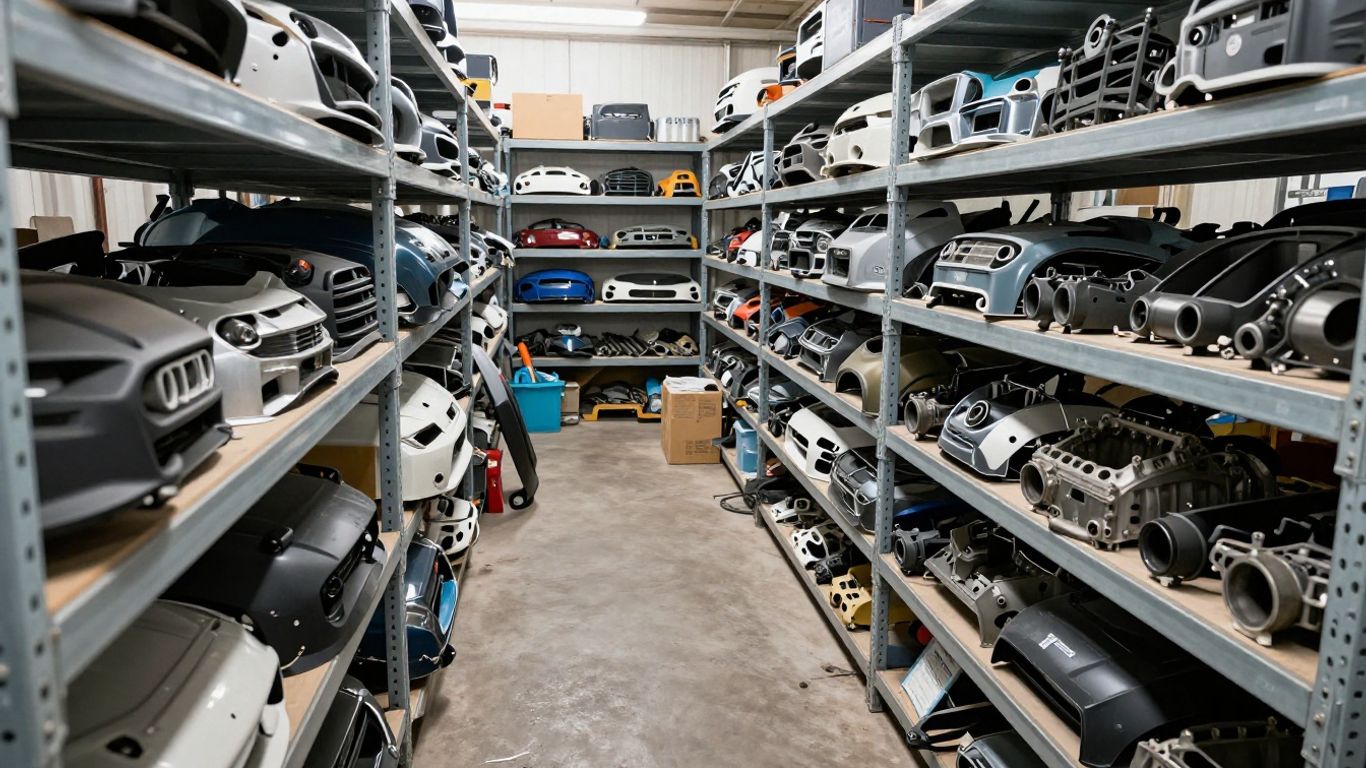
Evaluating specialized scrap yards and salvage auctions
Physical salvage yards often house vehicles that have been retired due to non-mechanical issues, leaving perfectly good parts available for reuse. Browsing these inventories can yield significant savings if you are capable of removing parts yourself.
Utilizing online auto parts marketplaces
Digital marketplaces have simplified the search process for international buyers. Users can filter by model year and part type to verify that the specific China Haval parts requested match the requirements of their chassis.
Connecting with regional Haval owner forums and clubs
Community groups are essentially knowledge banks for finding reliable sellers and avoiding fraudulent listings. Members often share experiences with specific vendors, which is an invaluable resource when hunting for rare items.
Dealing with international shipping and import considerations
When importing components, shipping times and customs fees must be factored into your final budget. It is prudent to communicate clearly with sellers regarding the condition of international shipments before final payment.
Strategies for inspecting used components
Evaluating the state of a used part before purchase saves considerable effort during installation. Look for signs of excessive wear or unauthorized tampering that might indicate a limited remaining lifespan for the specific component.
Signs of structural fatigue in suspension and chassis parts
Inspect rubber bushings for dry rot and check steel arms for signs of stress marks or bending. Ensuring these pieces are sound is essential for maintaining proper wheel alignment and vehicle safety.
Detecting hidden electronic failures in control modules
Without a diagnostic connector, it is nearly impossible to tell if a module is faulty. Ask the seller for proof of operational status or a guarantee that the unit was tested while powered on in the donor car.
Assessing wear and tear on mechanical engine internals
Engine components should be checked for irregular scoring or debris within fluid pathways. High-mileage parts often require a rebuild kit before they are suitable for installation in a different vehicle.
Evaluating the condition of cosmetic interior trim pieces
Interior items typically suffer from UV damage or broken mounting tabs. Careful visual inspection of these small clips ensures you can mount the piece without needing additional adhesives or workarounds.
Ensuring compatibility for your specific H7 model
Verifying that a replacement part matches your vehicle configuration is the most important step in the procedure. Even minor trim differences can lead to significant installation setbacks if parts aren’t identical.
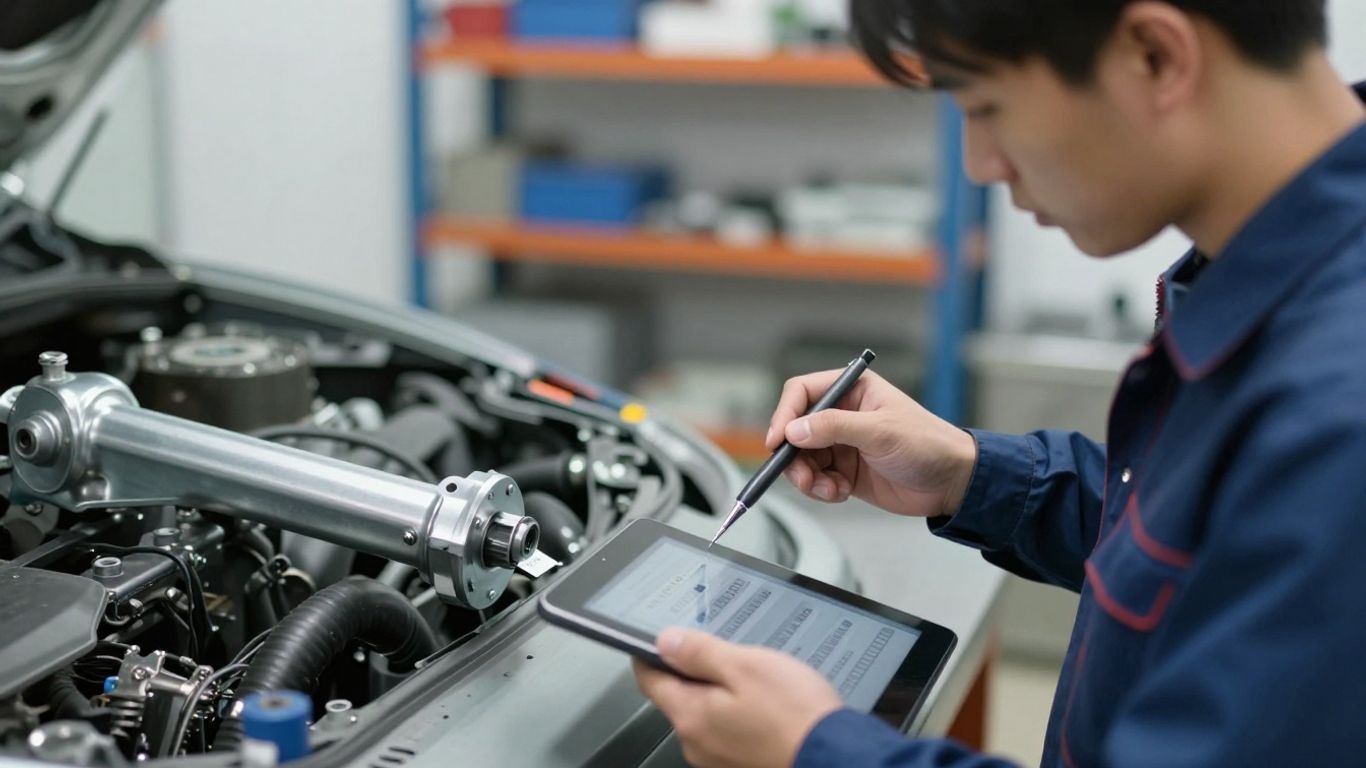
Decoding the VIN for precise part matching
Every vehicle has a unique fingerprint in its Vehicle Identification Number that provides access to specific part catalogs. Using this number prevents errors associated with model-year overlaps.
Managing differences between model years and regional trims
Changes in vehicle electronics or sensor configurations often occur mid-lifecycle, meaning a part from an early production unit might not integrate seamlessly with a late production model. Following are critical steps to verify your items:
- Confirm the donor vehicle production date matches your own.
- Compare the physical mounting holes against your current assembly.
- Request a photo of the part tag to match serial codes.
- Check for any recent revisions from the manufacturer website.
Cross-referencing Haval parts serial numbers
Serial numbers are the ultimate authority when checking compatibility. If the numbers match exactly, even variations in trim levels are less likely to result in fitment failure.
Confirming mechanical compatibility before finalizing a purchase
Never assume a part fits simply because it looks correct in a photo. Always measure dimensions if you are uncertain, and keep this 2018 Haval H7 export history as a reference point for similar market valuations.
Best practices for installing used Haval H7 parts
Installing repurposed hardware requires a more careful approach than installing factory-new replacements. Taking your time during the process protects both your vehicle and your investment.
Safety protocols when working with salvaged components
Always use proper jack stands and protective gear during the swap. When handling electronic components, static discharge can damage thin circuits, so proceed with standard grounding precautions.
Cleaning and refurbishing parts before installation
Once you have the part, clean away residual grease and grime to verify there are no hidden cracks. Applying fresh lubricant to mating surfaces can significantly extend the life of a used component.
Testing components for functionality during dry fitting
Dry fitting allows you to confirm that all bolts align correctly without tightening them down completely. It is much easier to resolve alignment issues before finalizing the installation.
Documentation and maintenance record keeping
Keep a file of all part sources and dates for your vehicle history. This documentation proves beneficial when selling the car later or troubleshooting issues that may arise in the future.
Managing costs and risks effectively
Navigating the secondary parts market involves calculated decision-making to maintain vehicle value. By factoring in all hidden costs, you ensure that the repair remains an economical choice.
Calculating the total cost of ownership including shipping and taxes
Initial prices displayed online are rarely the final cost. Factor in local freight, duties, and handling charges to see if the total still provides value compared to higher-priced local parts.
Understanding return policies on salvage components
Before you commit, demand clear return terms. Reputable salvage dealers will offer a short window to verify that the part is fully functional before considering the sale final.
Weighing the risk of premature failure against OEM pricing
If the cost of labor to replace a part is high, it may be better to choose a new component regardless of the savings on the part itself. Minimize your risk by reserving used parts for systems where a failure won’t cause immediate safety concerns.
Determining when to choose a used part over a new replacement
Used hardware is best suited for non-load-bearing cosmetic items or electronics that can be verified easily. For critical braking or steering components, new replacements are always the standard recommendation.
Conclusion
Successfully sourcing used parts for your SUV requires vigilance, proper VIN verification, and a realistic approach to costs. By following these guidelines, you can maintain your vehicle effectively while enjoying significant financial savings over factory-new alternatives.
Frequently Asked Questions
Can I use parts from older model years on my newer H7?
It depends heavily on specific mid-cycle updates, so always verify the part serial numbers against your VIN to ensure compatibility before attempting an installation.
How do I check if an electronic module salvaged from another car will work?
Because electronic components are often coded to specific vehicle systems, it is best to check if the module requires re-programming by a specialized technician after installation.
Are there any dangers in purchasing used structural components?
Yes, metal fatigue or invisible hairline fractures can compromise the safety of chassis components, which is why we recommend new parts for all mission-critical steering and suspension pieces.
What do I do if a part I purchased does not fit?
Contact the vendor immediately to initiate a return or exchange based on their provided policy, and keep your documentation of the serial numbers to prove the mismatch.
Is it worth buying used parts that require cleaning?
If the mechanical integrity of the part is verified and the cosmetic surface can be restored through cleaning, it is often a worthwhile project for enthusiasts willing to handle the effort.
Where can I find the serial number for a specific part?
Most components feature a metal tag or a laser-etched stamp displaying the serial number, usually found on the main casing or the connector bracket area.
Should I prioritize finding local parts versus importing them?
Local parts allow for easier inspection and lower shipping risks, but international imports may be necessary for rare or discontinued model-specific components.