
Key Takeaways
Maintaining a reliable vehicle requires careful procurement strategies and knowledge of the local automotive market. Here are the core strategies for effective parts acquisition:
- Prioritize genuine components to maintain factory-grade reliability and performance.
- Use VIN-based verification to ensure all critical parts are fully compatible.
- Evaluate aftermarket alternatives carefully based on certifications and warranty impacts.
- Leverage online consumer research to verify the reputation of digital parts sellers.
- Establish relationships with local specialists to access expert mechanical advice regularly.
Navigating the official GWM supply chain
Understanding how to access authentic components is the first step in ensuring your utility vehicle stays in top shape. The GWM Genuine Parts ecosystem provides a centralized channel for owners who prioritize factory-verified engineering. By utilizing these channels, you bypass the risk of incompatibility issues often found in generic third-party retail markets.
Identifying genuine OEM components
Genuine OEM components are manufactured to the exact specifications required by the factory to ensure seamless integration. These parts are subjected to rigorous testing cycles to confirm adherence to material and safety standards. Using GWM car parts keeps your vehicle baseline metrics intact throughout its operational life cycle.
Benefits of sourcing from authorized dealerships
Authorized dealerships function as the primary interface for specialized maintenance and hardware support. When you secure parts through these locations, you benefit from expert staff who understand the specific needs of your model series. Working with North Lakes GWM ensures that you are receiving the correct item supported by professional automotive insights.
Using VIN numbers to ensure parts compatibility
Your vehicle identification number (VIN) is the most critical reference when placing an order for replacements. It allows the parts department to cross-reference technical specifications against your specific chassis build date and engine configuration. Utilizing valid VIN data eliminates the guesswork often associated with generic catalogs that attempt to cater to broad, unspecified vehicle cohorts.
Exploring aftermarket options for Haval P series
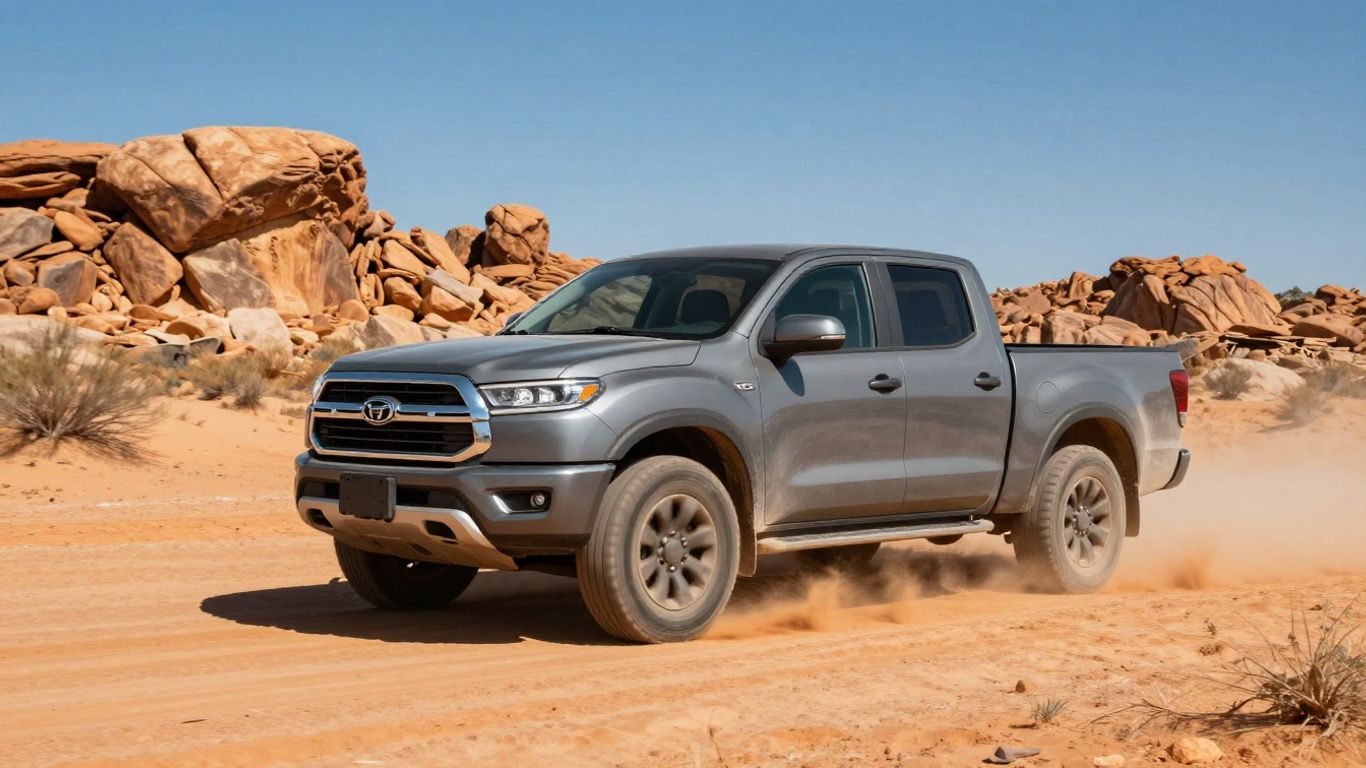
Finding the right components for your vehicle often involves weighing the value of aftermarket accessories versus original equipment. Exploring Aussie-designed and engineered accessories can be a great way to customize your vehicle for specialized activities while maintaining high standards of practical utility.
Distinguishing between certified and non-certified aftermarket parts
Certified aftermarket parts undergo independent testing to confirm they meet specific safety benchmarks, effectively separating them from unverified mass-produced components. You should always review technical documentation provided by manufacturers to confirm the compliance level of any part. Investing in high-quality hardware directly contributes to reaching long-term vehicle reliability and safety across varying road conditions.
When to choose aftermarket over OEM components
Aftermarket options are often chosen when you need specific upgrades that are not available through the standard manufacturer catalog. For instance, specialized suspension or protective gear designed for extreme off-roading often benefits from third-party engineering. These modifications allow for enhanced vehicle capability in environments where factory settings might require a more rugged orientation.
Assessing the impact on your vehicle warranty
Any modification or replacement must be carefully scrutinized to ensure it does not negatively impact existing manufacturer coverage. If a non-certified part fails, it may invalidate the warranty on related vehicle systems if the modification is found to be the cause. Always communicate with your service center before performing structural or complex mechanical changes.
Important considerations for online parts shopping
Shopping for automotive components digitally requires a high level of due diligence to ensure you receive authentic products. When browsing inventory, look for clear item photos, detailed descriptions, and transparent sourcing information to verify the professional standards of the operation. Whether seeking GWM pickup vehicle parts or standard consumables, clear communication is essential to the transaction.
Verifying website legitimacy and seller reputation
Legitimate retailers typically provide physical store addresses, contact telephone numbers, and clear terms of purchase. You can often check community feedback platforms or automotive forums to see if other owners have had successful experiences with a specific provider. This due diligence protects you from common online procurement pitfalls.
Understanding shipping logistics across Australian states
Australia is a massive country, and shipping logistics fluctuate based on the weight and size of the cargo you order. Some heavy-duty components might require freight shipping, which carries specific delivery timelines and handling overheads. Always confirm if the supplier manages national distribution efficiently to keep your downtime to a minimum.
| Part Category | Verification Required | Typical Shipping Time |
|---|---|---|
| Filtration Kits | VIN Match | 2-4 Business Days |
| Braking Hardware | Model Compatibility Check | 3-5 Business Days |
| Suspension Mods | ADR Clearance | 5-7 Business Days |
You must calculate these lead times when planning your maintenance schedule to avoid keeping your vehicle out of commission for too long.
Comparing return policies and satisfaction guarantees
Before finalizing any payment, read the return policy to understand the conditions under which a part can be returned or exchanged. A firm satisfaction guarantee indicates that a seller stands behind their product quality, which provides peace of mind when ordering electronically. If a vendor hides behind vague return guidelines, choose a different supplier.
Common maintenance parts for Haval P series
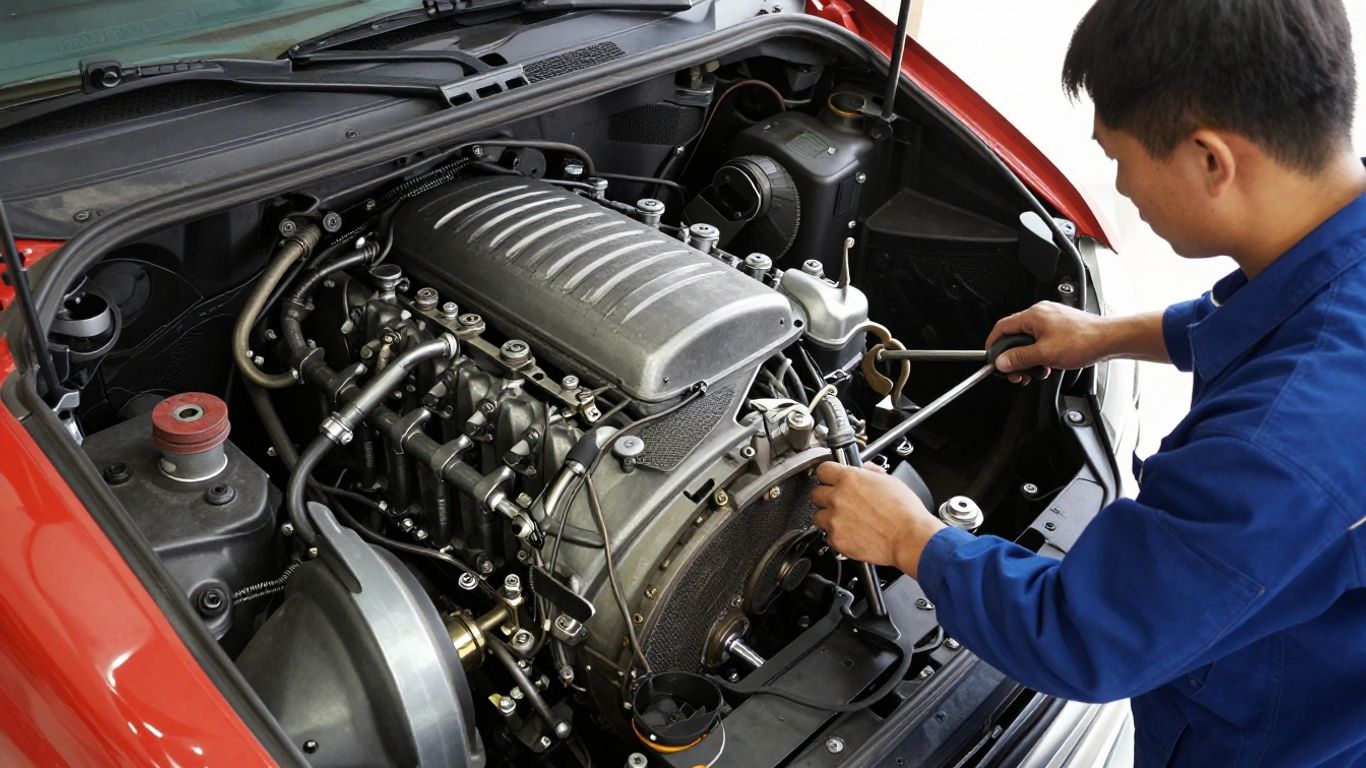
Routine maintenance is the backbone of ownership, and keeping a list of common components on hand can prevent long delays. These items are the ones you will likely replace most frequently during the life of your vehicle.
Essential filtration systems and oil selection
High-quality oil and fresh filters are non-negotiable for engine health. Using the manufacturer-recommended viscosity index ensures that your engine internals are properly lubricated under the hot, dusty conditions found across the country. Following a consistent change schedule helps maintain factory efficiency.
Brake pad replacement and disc maintenance
Brakes represent the most important safety equipment on your vehicle. Regularly checking the thickness of your pads and the surface condition of your discs allows you to identify wear before it causes major damage. Keeping accurate logs of your brake maintenance helps in ensuring longevity.
Suspension components for off-road performance
Off-road driving places significant stress on shocks, springs, and bushings. Frequent inspection of these parts, especially if you traverse rough terrain, will save you significant repair costs down the line. To maintain a functional vehicle, perform the following checks:
- Monitor shock absorber fluid levels for signs of leakage.
- Verify the surface integrity of all chassis bushings.
- Inspect the mounting points of suspension arms.
- Replace worn springs to preserve original ride height.
YouTube video
Maximizing the lifespan of replaced parts
Installing a new component is only the beginning of its life cycle, as proactive maintenance dictates how well it performs over time. Regular cleaning and mechanical observation prevent small issues from ballooning into costly failures. Even the most functional dosing THC coffee would not help you stay as alert as a well-maintained vehicle, so keep those service records in order.
Best practices for post-installation maintenance
After installing a critical component, allow the vehicle to idle or run for a short duration to observe for unusual sounds or symptoms. Ensure all bolts are torqued to manufacturer specifications to avoid the mechanical stress that leads to premature failure. Keeping the area around new parts clean is an easy way to detect signs of early leakage.
Diagnostic tools for monitoring performance
Modern diagnostics provide a window into the health of your engine management system, allowing you to catch errors before the check-engine light appears. By reading sensor data, you can observe how new parts respond compared to previous benchmarks. Monitoring these changes helps you verify the health of your repair.
Recommended service intervals for critical parts
Every car requires specific care, and even those undergoing CO2 laser skin resurfacing for personal health should remember their vehicle needs similar attention. By adhering to the intervals mentioned in your owner manual, you reduce the likelihood of critical part exhaustion occurring at the worst possible moment. Think of it like taking a trip with Ibiza Boat Club; preparation is the secret to total success.
Local specialized suppliers vs. generalist retailers
Deciding where to source goods can be difficult when looking for specialized parts. For those interested in advertising careers in Israel, professional placement is key; likewise, choosing a specialized mechanic in Australia is vital to keeping your vehicle on the road.
Advantages of working with 4×4 specialist shops
Specialized shops understand the structural demands of specific vehicle platforms far better than generalist retailers. Their expertise often covers both the parts themselves and the real-world application of those parts in rugged off-road environments. They can provide advice that saves you time and ensures your build is functional and safe.
Navigating catalog limitations at general chains
Large generalist retailers often carry broad stocks that satisfy common passenger cars but often fail for newer utility vehicles. You might face situations where the computer data in a massive chain lacks the specific listings for your model year. This leads to wasted trips and frustration that could be avoided by choosing a knowledgeable specialist.
Building long-term relationships with local mechanical workshops
Finding a mechanic you trust is arguably the most valuable maintenance step you can take. By utilizing the same workshop over several years, you create a baseline for your vehicle history that helps your technician make informed repairs. Your workshop also gains familiarity with your driving habits, helping them recommend maintenance intervals that are tailored to your actual usage.
Conclusion
Sourcing parts for your vehicle requires balancing reliability, performance, and budgetary limits across a range of local and online providers. By focusing on genuine factory-specified components and fostering relationships with experienced local specialists, you safeguard your vehicle against unnecessary wear and performance degradation. Proactive maintenance remains the most effective tool in your kit for ensuring long-term satisfaction.
Frequently Asked Questions
Can I use universal parts for my specific vehicle model?
Universal parts are rarely a direct fit and often require dangerous modifications that can compromise safety, so they should be avoided for critical mechanical systems.
How frequent should I inspect my braking system components?
It is generally recommended to perform a visual inspection of your brake pads and lines during every major scheduled service interval.
Why is VIN verification more accurate than model searching?
A VIN identifies the unique production version of your car, ensuring the parts match your exact engineering specifications and preventing errors caused by mid-year factory changes.
What are the main signs that a component is failing?
Signs typically include unusual noises, fluid leaks under the chassis, vibrating sensations while braking, or a noticeable decline in fuel efficiency or performance.
Does online shopping for parts always save money?
While online stores may offer competitive pricing, you must factor in shipping costs and the potential for return overhead if a part arrives with incorrect specifications.
Is it safe to install aftermarket parts myself?
If you have the tools and technical experience, many parts can be installed safely, but complex safety-critical systems should always be verified or handled by a professional.
What can I do to keep components clean and durable?
Regularly washing your undercarriage and keeping the engine bay free of debris prevents the buildup of corrosive materials and helps you spot minor leaks immediately.