

Key Takeaways
Understanding the foundational components and maintenance requirements of automotive systems is essential for long-term reliability. This guide explores engine architecture, support systems, and the procurement of high-quality components.
- The internal combustion engine relies on a conversion process of thermal energy into mechanical movement.
- Effective fuel and air management is crucial for maintaining stoichiometric balance and optimal performance.
- Cooling and lubrication systems protect sensitive internals from the destructive forces of extreme engine heat.
- Electrical and ignition systems act as the neurological framework for timing and power delivery.
- Strategic procurement and component verification are necessary to ensure safety and longevity in engine repairs.
Understanding the core anatomy of the internal combustion engine
The internal combustion engine serves as the power-conversion heart of most modern vehicles. By cycling Through intake, compression, combustion, and exhaust phases, these units convert chemical energy into kinetic output. Gaining a clear understanding of engine anatomy helps owners recognize common failure points and maintain efficient vehicle operation.
The cylinder block and head assembly
The cylinder block functions as the engine’s primary structural foundation, housing the cylinders where combustion occurs. Most blocks are cast from iron or aluminum, chosen for thermal management and rigidity. Mounted atop the block, the cylinder head seals the combustion chamber, incorporating specialized ports for air intake and exhaust gas release.
Pistons, connecting rods, and crankshaft dynamics
Pistons move vertically within the cylinder bores, acting as the bridge for force transmission during expansion. These components are linked to the crankshaft via connecting rods, which translate the linear downward force into rotational torque. This assembly must withstand extreme pressures, requiring high-strength alloys and precise balancing to prevent vibration or mechanical failure.
Valve train configuration and camshaft timing
The valve train manages the precise opening and closing of intake and exhaust valves, which dictates air-fuel flow through the motor. Camshafts, often synchronized with the crankshaft, determine the specific timing and lift of these valves. Proper synchronization is vital for efficient combustion, as even slight timing deviations can result in catastrophic engine damage or performance loss.
Fuel and air management systems
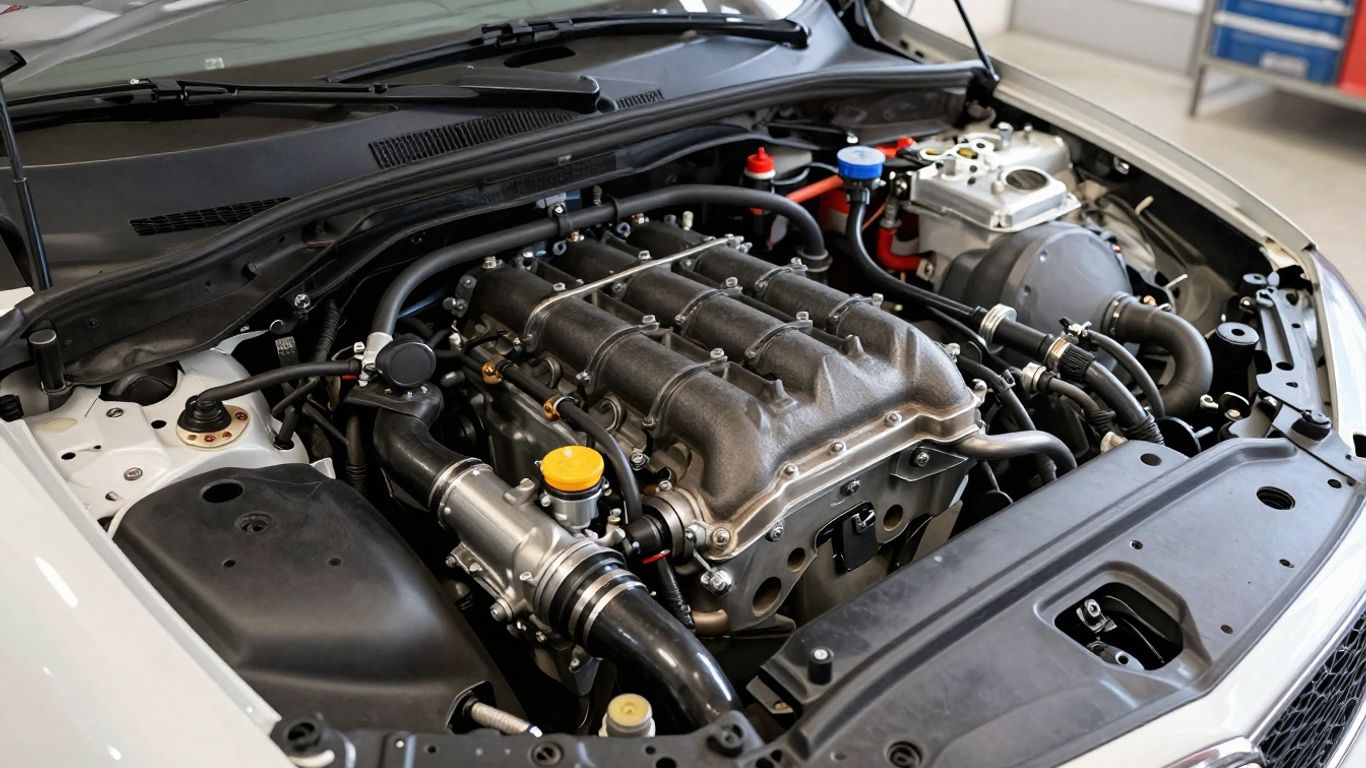
Managing the induction of air and fuel is essential for peak engine efficiency. Modern systems use advanced sensors and controllers to ensure the perfect air-fuel mixture is delivered under varying driving conditions. These systems effectively dictate power output and environmental compliance.
Intakes, manifolds, and throttle body mechanics
Intake manifolds distribute air evenly across every cylinder, ensuring each cycle receives an identical mixture for balanced performance. The throttle body acts as a gatekeeper, regulating air mass through a butterfly mechanism connected to the acceleration pedal linkage. Maintaining these components prevents vacuum leaks that often lead to poor idling.
Fuel injectors, pumps, and delivery lines
Fuel injectors deliver high-pressure fuel directly into the intake port or combustion chamber at precise intervals. Fuel pumps must maintain constant line pressure to ensure injectors operate within their intended spray patterns. When sourcing components in bulk for restoration, consider the logistical efficiency of using specialized procurement services such as SIP19 for managing supply chains.
Turbochargers vs. superchargers for forced induction
Forced induction increases engine performance by packing more air into the cylinders than atmospheric pressure would typically allow. Turbochargers utilize exhaust gas energy to spin a turbine, while superchargers are mechanically driven by the crankshaft itself. While selecting performance upgrades, one might compare shipping logistics or shipping from China for aftermarket kits to optimize cost-effectiveness.
Cooling and lubrication system components
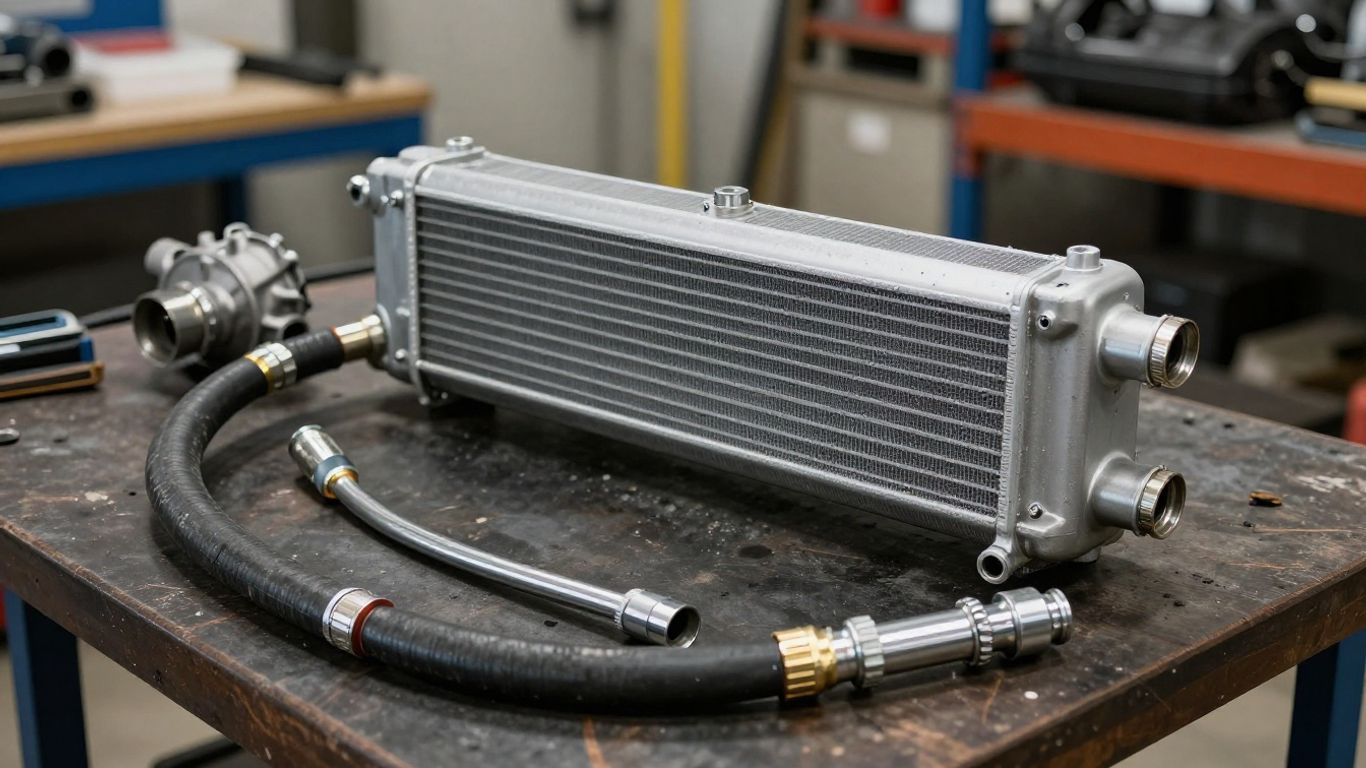
Heat management and friction reduction are the two pillars of preventative automotive maintenance. Every engine is susceptible to rapid thermal degradation if circulatory systems fail or lose efficacy. Proactive attention to these pathways often dictates the functional lifespan of the power unit.
Coolant pumps, radiators, and thermostat housings
The coolant pump circulates fluid মাধ্যমে the engine jacket and radiator to dissipate heat collected during combustion. Thermostat housings monitor temperature to regulate this flow, ensuring the motor reaches its ideal operating range quickly. Monitoring these parts ensures that the cooling system performs reliably under high-load situations.
Oil pumps, galleries, and filtration units
Oil pumps pressurized the lubricating fluid, forcing it through narrow galleries to protect moving surfaces like bearings and camshaft lobes. Consistent filtration is vital because impurities can cause rapid scoring of precision materials. Adopting rigorous maintenance schedules for these units is similar to increasing business enterprise value by protecting assets through diligent oversight and operational transparency.
Identifying heat-related wear in gaskets and seals
Components like head gaskets act as barriers between the cooling, oil, and combustion galleries. When these seals experience repeated heat cycles, degradation becomes inevitable—leading to leaks or pressure mixing. Regularly inspecting these junctions is necessary, much like checking for visual clarity at a clinic like Legarreta Eye Care to address minor issues before they necessitate comprehensive intervention.
Essential mechanical components for electrical and ignition systems
Building a functional electrical loop is required for modern engine operation. Without stable voltage or precisely timed sparks, the most well-machined engine will remain dormant and unresponsive to commands.
Alternators and tensioner pulleys
The alternator provides the electrical energy necessary for both engine operations and accessory electronics. Tensioner pulleys maintain consistent belt pressure to ensure the alternator spins at the necessary speed; if this tension weakens, the entire vehicle electrical system may fail. Regular checks of these auxiliary drives prevent sudden charging losses.
Spark plugs, ignition coil packs, and leads
Spark plugs bridge the electrical gap required to ignite the fuel mixture within high-pressure cylinder environments. Ignition coils step up low voltage to high-intensity surges, which are sent via leads to the plugs at the exact millisecond required for peak performance. Consistent replacement of these wear items ensures that misfires do not damage the catalytic converter or reduce fuel economy.
Starter motors and solenoid connection points
Starter motors transform battery energy into the high-current torque required to rotate the engine through its first compression cycles. Solenoids act as high-amperage switches that engage the starter pinion into the flywheel teeth. Reliable starting depends entirely on these connection points being free from corrosion or thermal pitting.
Choosing quality replacement mechanical & engine parts
Selecting the right parts involves balancing budget against quality, performance, and long-term durability. Proper research helps avoid installation errors and the high costs associated with repeated vehicle downtime.
Evaluating OEM versus aftermarket alternatives
OEM parts provide exact-fit assurance, while high-quality aftermarket components often provide improved durability or performance levels over factory stock. The following comparison highlights key considerations when selecting components for maintenance:
| Part Source | Primary Benefit | Ideal Use Case |
| :— | :— | :— | :— |
| OEM / Factory | Guaranteed Fitment | Daily Commuting Vehicles |
| Premium Aftermarket | Enhanced Performance | Enthusiast Builds |
| Salvaged Parts | Maximum Affordability | Budget Restoration Projects |
Understanding part numbers and technical compatibility
Part numbers serve as the universal language for identifying the exact technical specifications of an engine component. Cross-referencing these numbers against manufacturer databases is essential to ensure that dimensions, bolt patterns, and material compositions are compatible with specific engine blocks. Incorrect matching is a primary cause of mechanical failure during the reassembly phase.
Risks and benefits of using salvaged or refurbished components
Salvaged parts from reputable sources offer significant savings for low-cost repairs but introduce risks regarding the item’s previous life and stress cycles. Refurbished parts usually undergo testing; however, when opting for non-new items, it is important to follow a structured process. Much like preparing for CO2 laser skin resurfacing where understanding recovery stages is essential, preparing for a complex engine repair requires understanding the status and potential failure modes of every component installed.
Certification standards for high-performance engine internals
High-performance engine builds demand materials rated for extreme speed and thermal load. Look for components manufactured under international engineering standards or those validated through bench testing.
- Verify tensile strength ratings for connecting rods or pistons before purchasing.
- Ensure all gasket seals meet or exceed thermal expansion tolerances.
- Demand clear documentation from suppliers regarding material composition.
- Prioritize components with independent quality audits or performance certifications.
Following these standardized checks helps ensure the final engine assembly holds up under sustained intensity, preventing common pitfalls associated with substandard racing internals.
Conclusion
Successfully maintaining and repairing a vehicle requires a holistic focus on the synergy between engine subsystems. By mastering the core principles of air management, cooling, lubrication, and electrical control, mechanics and owners alike can extend the service life of their vehicles. Prioritizing quality components and methodical reassembly remains the objective standard for long-term engine performance.
Frequently Asked Questions
How often should I perform an engine oil change?
Most modern engines require an oil change every 5,000 to 10,000 miles, although this depends heavily on oil type, driving habits, and the vehicle’s age. It is always wise to consult your specific owner’s manual for the manufacturer’s recommended interval.
What are the main signs of a failing water pump?
Common indications include coolant leaks beneath the vehicle, a persistent high-pitched whining sound from the front of the engine, or rapid overheating while sitting in traffic. You should inspect the weep hole on the pump housing for evidence of leaking coolant.
Can I use used parts for critical engine repairs?
While some non-critical parts can be reused, it is generally advised to use new components for critical items like timing belts, head bolts, and bearings. Using worn internal components often increases the risk of premature failure and subsequent engine damage.
Why does my engine misfire occasionally?
Engine misfires often stem from worn-out spark plugs, damaged ignition coils, or fuel delivery issues like clogged injectors. A diagnostic scan tool can usually reveal which cylinder is experiencing the misfire, allowing you to troubleshoot the specific ignition or fuel component.
What is the purpose of an engine thermostat?
The thermostat regulates the flow of coolant between the engine and the radiator to allow the engine to reach its optimal operating temperature quickly. When the engine is cold, the thermostat stays closed; once the heat rises to a specific point, it opens to begin cooling the system.
How does high engine heat damage components?
Excessive heat causes metals to expand beyond their tolerance, leads to the hardening and cracking of rubber seals and plastic gaskets, and degrades the protective properties of motor oils. This thermal cycle eventually causes structural failure, warped heads, and internal friction damage.
What are the benefits of using a high-quality air filter?
A premium air filter improves engine efficiency by maximizing airflow while preventing abrasive sand and debris from entering the cylinder bores. By filtering contaminants effectively, it helps preserve the internal finish of cylinder walls and protects sensitive mass airflow sensors.