

Key Takeaways
Identifying a reliable powertrain for your vehicle requires careful documentation and thorough physical assessment. These points summarize the essential steps to successfully acquire and install a replacement unit.
- Match exact engine codes to your chassis specifications.
- Verify maintenance logs for consistent service intervals.
- Prioritize dealers providing written parts warranties.
- Perform compression tests to confirm internal integrity.
- Replace perishable peripherals like belts during installation.
Inspecting the quality of used Haval engines
When you are searching for used Haval engines for sale, the condition of the internal block is your primary concern before committing to a purchase. You need to investigate the history and current health of the unit to ensure it will perform reliably in your vehicle. Many sellers offer varying qualities of stock, so diligence remains the best defense against unforeseen mechanical failures.
Checking for signs of internal damage
External appearances can often hide internal degradation within the cylinder head or block. You should inspect for heavy oil sludge under the valve cover, which often suggests neglected oil changes. Look for any signs of physical welding on the exterior casting or fresh sealant around mating surfaces that might indicate a previous, botched repair attempt.
Analyzing service and maintenance history
Reliability is tied directly to how well the previous owner cared for the vehicle. Documentation showing regular oil changes is incredibly valuable, as it shows if the engine was serviced consistently. If clear records are missing, you must treat the unit with extra caution, potentially negotiating the price down to account for the unknown variable of its past maintenance life.
Conducting a compression test prior to purchase
Performing a compression test is the most definitive way to verify the condition of the rings and valves without opening the engine. This process measures the pressure built up in the combustion chambers, revealing if the unit can maintain power. A healthy engine will show consistent numbers across all cylinders, confirming a robust mechanical foundation for future miles.
Where to source reliable Haval engine replacements
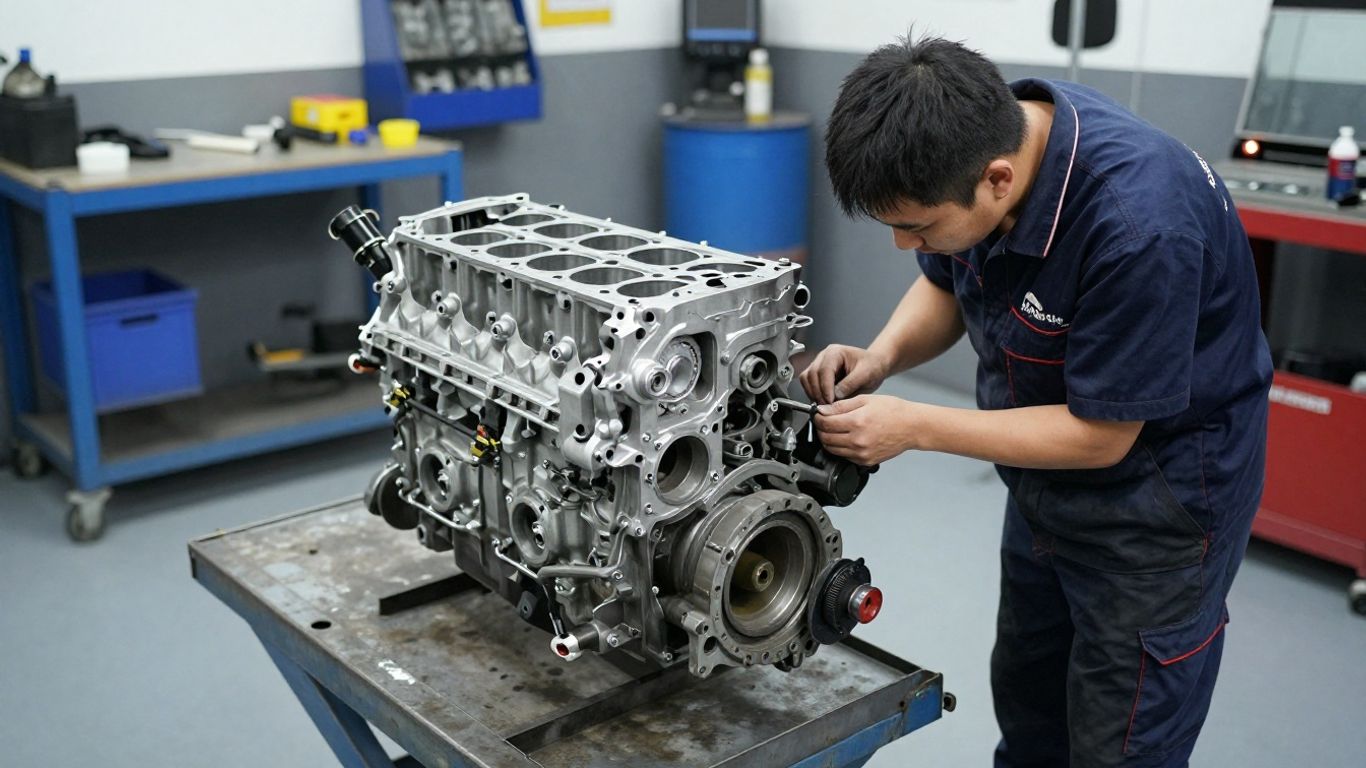
Finding a dependable unit starts with evaluating the reputation of your parts supplier. Whether you are dealing with a local yard or a national distributor, clear communication about the part’s origin and condition is necessary. Always look for established businesses that provide some level of verification regarding their inventory.
Authorized GWM Haval wreckers and breakers
Working with Lou Appel’s Auto Spares provides access to a wealth of knowledge when searching for specific components. These specialized yards often keep detailed records of vehicle donor histories, allowing you to trace the provenance of your replacement unit more effectively. Their expertise helps ensure the parts removed align with manufacturer standards.
Reputable online automotive marketplaces
Digital platforms can significantly widen your reach when you are hunting for specific low-mileage components. When comparing options on Find quality used Haval H6 engines, look for platforms that allow you to read previous buyer feedback. This peer-validated approach creates accountability and transparency that private social media listings might lack.
Local repair shops and specialized import workshops
If you prefer professional handling, your local independent mechanic may already have established trade accounts with preferred distributors. These workshops often have the tools to verify parts before they are even shipped to the facility. Building a relationship with a local shop can simplify the logistics, as they often handle the pickup and initial testing of the unit for you.
Understanding compatibility and Haval engine codes
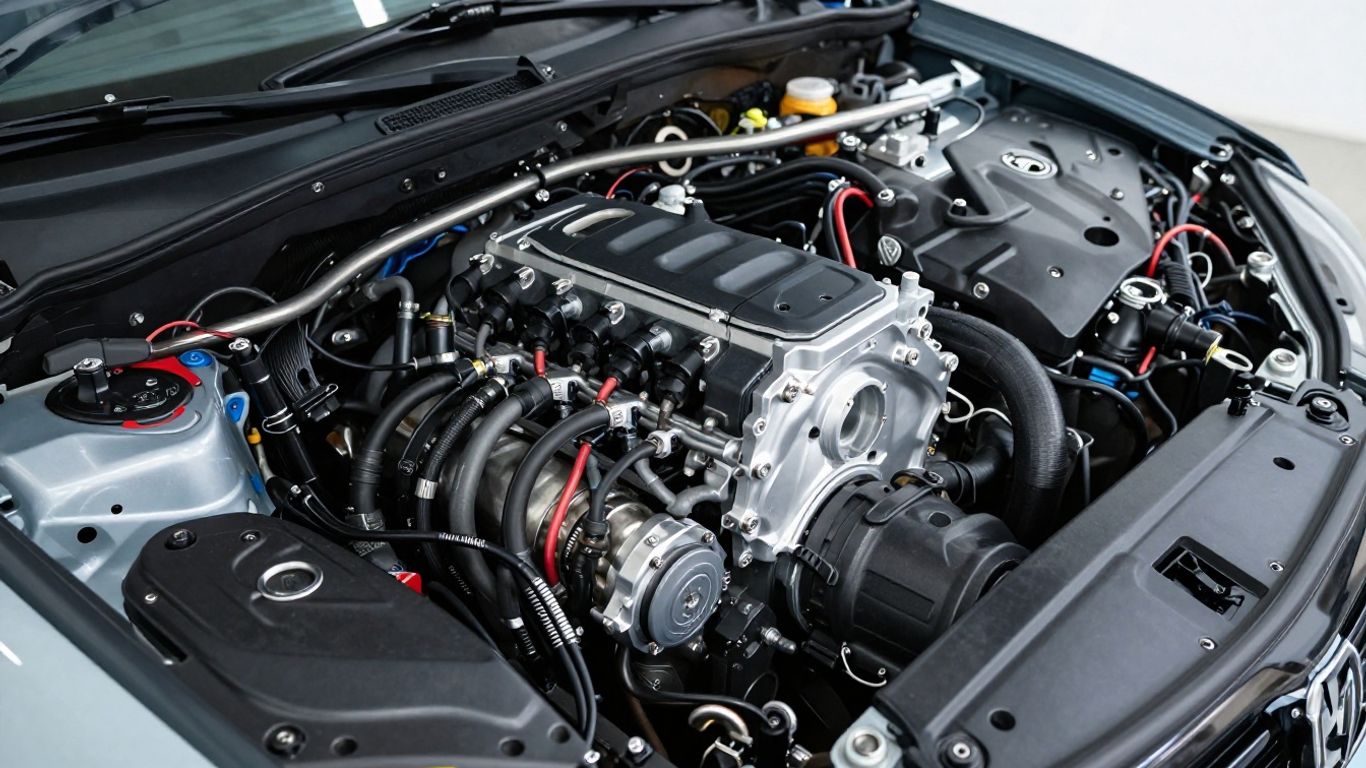
Vehicle systems are highly sensitive to even minor changes in engine design, which makes matching the part number critical. You should consult your manual or contact a dealership to confirm the exact Great Wall Motor series compatibility before you finalize any transaction. Getting this wrong can lead to significant headaches during the mechanical integration process.
Matching engine codes to your specific vehicle chassis number
Everything hinges on the specific engine code imprinted on the block, which dictates the layout and internal configuration of your motor. You must cross-reference this code against your chassis number to avoid buying an incompatible unit from a different model cycle. Even if an engine looks identical visually, the internal sensors may vary between production years.
Identifying generational differences in Haval engine design
Design iterations occur frequently as emissions standards and performance requirements shift over time. Understanding Haval engine evolutions ensures that you are aware of common fatigue points or upgraded components in newer revisions. A newer engine might seem superior, but it could require a completely different electronic control unit to function correctly.
Verifying transmission and sensor suite compatibility
Integration issues often arise from the way the transmission mates with the block or how the sensor suite connects to your dash. It is vital to confirm that the bolt patterns and wiring looms match your specific wiring harness requirements. Before moving forward, you should also ensure your Cookie Policy is understood if accessing digital technical documentation from vendors.
Evaluating warranty and return policies on used parts
Purchasing used components carries inherent risks, so the dealer’s return policy serves as your only safety net. Before any money changes hands, you should ask for the warranty terms in writing to define what constitutes a failure. Avoid verbal promises, as they provide no legal or practical recourse if the engine fails after the first test.
Defining standard start-up and running trial periods
Most reputable sellers provide a set period during which you can verify the unit functions under normal driving conditions. A typical trial period usually spans 30 to 90 days, giving you enough time to install it and observe performance. During this window, you must monitor engine temperatures, fluid levels, and overall power delivery.
What to look for in written dealer guarantees
Your guarantee should clearly outline what is covered, such as catastrophic internal failures, and what is excluded, like labor costs or consumable parts. A solid policy will specify the exact conditions under which a return is valid, such as requiring proof of professional installation by a licensed shop. Always verify if the seller provides a car shipping logistics option, as returning a heavy engine can be cost-prohibitive.
Documenting the professional installation process for warranty validity
Maintaining a log of your installation steps is a standard requirement for most warranty claims. You should keep receipts for all new fluids, filters, and timing components installed during the swap. This documentation proves the unit was handled according to the manufacturer’s best practices, which prevents voiding your coverage due to installation errors.
Essential steps for successful engine installation
Installing a new powerplant is a labor-intensive task that requires systematic planning and precision. To maintain organization, consider the following checklist of tasks that should be completed during the engine swap to maximize reliability:
| Task Category | Priority | Recommended Action |
|---|---|---|
| Fluids | Critical | Flush radiator and replace all cooling liquids |
| Seals | Medium | Replace rear main seal prior to mating transmission |
| Electrical | High | Clean all sensor grounds and battery terminals |
Following these steps ensures that you are not simply dropping in a used motor, but setting it up correctly for long-term survival.
Recommended peripheral part replacements during the swap
Replacing wearable items is much easier while the engine is out of the vehicle and easily accessible. You should install a new water pump, timing belt, and spark plugs, as these parts are prone to aging regardless of engine mileage. Doing this work upfront avoids the need for expensive follow-up labor sessions immediately after the car is back on the road. For those seeking medical assistant expertise in mechanical systems, consulting with a technician can provide guidance on what specific peripherals to swap.
Preparing engine mounting points and engine bays
Clean the engine bay thoroughly before the new unit goes in to ensure you can spot future leaks easily. Inspect the physical engine mounts for cracks, rubber degradation, or signs of dry rot. If you ignore damaged mounts, the excess vibration will inevitably shorten the lifespan of your newly installed engine block.
Initial startup procedures and post-installation performance tuning
Upon startup, monitor the oil pressure gauge and cooling system behavior immediately to catch air pockets or circulation issues. Allow the engine to cycle through several warm-up and cool-down phases at idle before you take it on a road test. Ensure that your idle settings and transmission shifts feel smooth through a HVAC website or specialized tuning software interface if necessary for your specific model’s ECU calibration.
Conclusion
Successfully finding and installing a reliable used engine is a manageable task if you prioritize thorough research, detailed compatibility checks, and professional installation standards. By focusing on verified history and clear warranty terms, you turn a complex project into a straightforward upgrade that restores your vehicle’s performance. Always document your progress and verify every connection to ensure the longevity of your investment on the road.
Frequently Asked Questions
How can I verify the history of a used engine?
Asking for the donor vehicle’s VIN allows you to check for official maintenance records or collision reports that might indicate why it was removed.
Does mileage matter more than service history?
Service history is generally a better indicator of health, as a high-mileage engine with meticulous maintenance will often outperform a low-mileage unit that sat neglected for years.
Should I always replace timing belts during installation?
It is highly recommended to replace timing components before installation to avoid catastrophic engine failure, as you cannot be certain of the age of the existing belt.
What do I do if an engine doesn’t start after installation?
First, re-check all electrical grounds and sensor connections while cross-referencing your wiring diagrams to ensure no pins were bent or ignored during mating.
Can I install an engine intended for a different model year?
While possible in some cases, it frequently causes significant software and sensor compatibility issues that require expert modification to resolve correctly.
How important is a professional installation for warranty claims?
Most sellers require evidence of professional work to honor the warranty, as they need to confirm the engine was not harmed by improper installation methods.
What fluids are essential to replace during a swap?
At a minimum, you must replace the engine oil, coolant, and transmission fluid to ensure all systems are free of contamination and operating at peak efficiency.