
Key Takeaways
Transitioning to a pre-owned transmission requires careful planning to ensure the functional longevity and proper driving performance of your vehicle. These five points summarize the essential steps for successful acquisition and installation.
- Always match the new gearbox specifically to your vehicle using the unique VIN for full system compatibility.
- Inspect the transmission housing for signs of fluid leaks or past impact damage before committing to a purchase.
- Verify the maintenance history of the donor vehicle to avoid inheriting mechanical issues from neglected servicing.
- Ensure the transmission control module is programmed correctly to match your vehicle’s engine management unit configuration.
- Consider the total professional labor costs involved alongside the price of the part to determine your actual financial investment.
Understanding your Haval transmission types
Navigating the technical landscape of vehicle components can feel overwhelming, but understanding your transmission is the foundation for a successful repair project. Whether you own a 2016 Haval H6 2WD or a more recent crossover, the gearbox design dictates how your SUV delivers engine power to the wheels. Recognizing that modern SUVs often utilize specialized configurations is a crucial step for every owner looking to maintain their vehicle’s responsiveness and fuel efficiency.
Identifying the specific gearbox model for your vehicle
Before you begin shopping for parts, you must identify exactly which unit belongs in your drivetrain. Manufacturers often swap transmission modules between model years or trim levels, so relying on the body style alone is insufficient. Using your car’s unique identification number allows shops like Gearbox Finder UAE to narrow down the exact specifications required. This precision prevents the common headache of receiving a component that looks similar but lacks the necessary electronic wiring harness or sensor ports for your specific wiring layout.
DCT versus CVT transmission differences
Modern engineering utilizes distinct mechanical approaches to handle power delivery. A dual-clutch transmission typically relies on two separate clutch sets to provide rapid gear changes, while other designs might leverage continuous belt-and-pulley systems. Understanding how your Haval H6 handles gear shifting helps you identify if the symptoms you are experiencing are characteristic of your specific transmission type or indicative of genuine failure. Different systems have different sensitivities, meaning a shudder in one model might be a standard operating trait, while in another, it signals a deeper mechanical issue.
Reading part numbers and donor vehicle information
Every transmission features a series of stamped codes or labels that provide a direct line to its history and technical specifications. These identifiers confirm if a unit is compatible with the engine electronics of your car. When viewing components like a Haval Jolion A01, checking the associated engine number and production timeframe ensures that the software communication between the gearbox and the rest of the drivetrain will be seamless upon arrival.
Assessing the condition of second hand Haval gearboxes
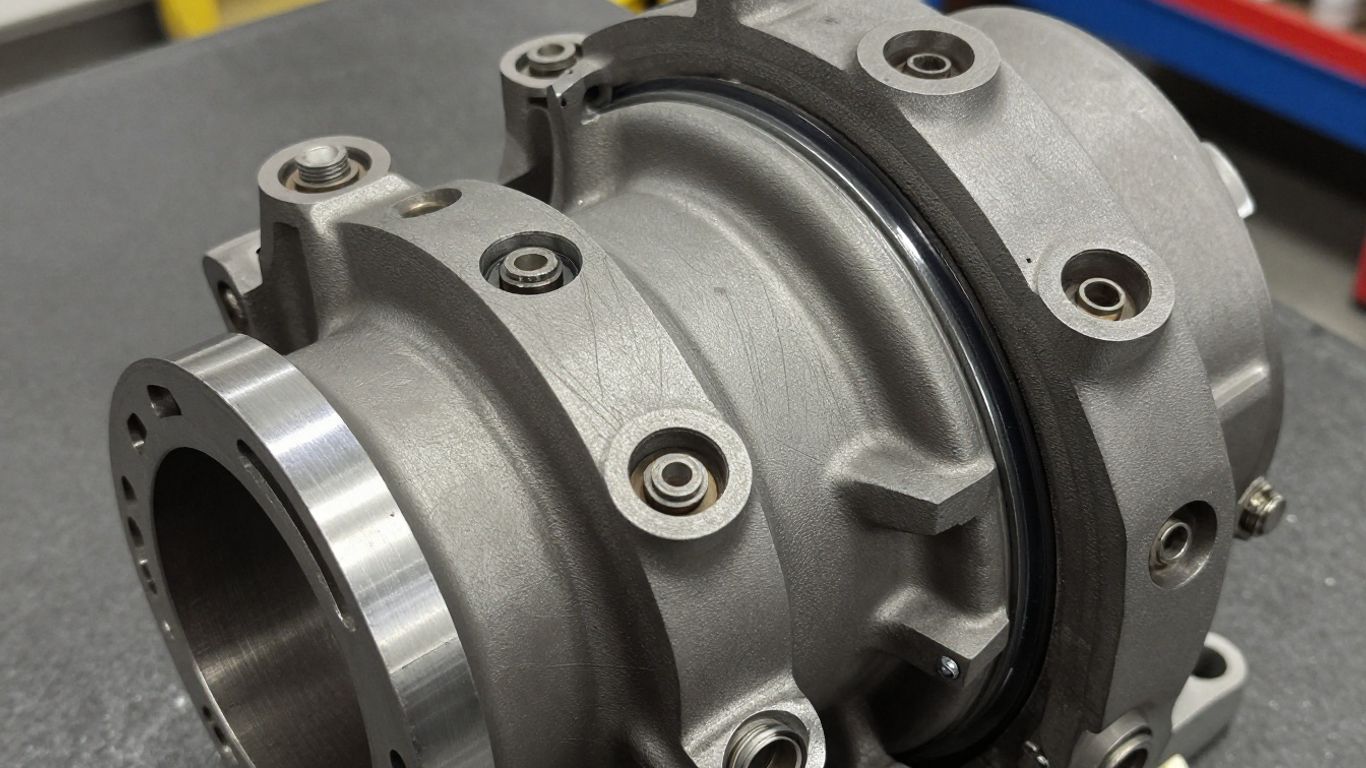
Evaluating the external and internal health of a used component is vital, as internal wear is often invisible until the unit is under load. Starting with a thorough inspection of the casing helps you spot warning signs of poor storage or previous trauma that could shorten the lifespan of your replacement part. Taking the time to examine these details keeps you from repeating the same repair process just a few months down the road.
Detecting common signs of transmission failure
Transmission distress often begins with subtle warnings that owners might initially ignore during daily commutes. Symptoms such as hesitation when taking off from a stop, delayed responses when shifting gears, or noticeable jerking during low-speed maneuvers serve as early indicators. Because heat and stop-and-start traffic are especially taxing, it is important to confirm that any unit you consider does not come from a region where these conditions are constant, as such environments accelerate wear on sensitive internal clutches.
Evaluating mileage versus maintenance history
High mileage on a vehicle does not always mean the transmission is nearing the end of its life, provided the fluid was changed at the appropriate intervals. A unit with lower mileage that has never received a fluid service can actually be a higher risk than a properly maintained higher-mileage unit. You should always request maintenance documentation or verify the service frequency if the seller can provide it, as this history is a much better predictor of future reliability than raw mileage numbers.
Visual inspection of the transmission casing and seals
Inspect the transmission exterior for dark, burnt-smelling fluid around the seals and input shaft. Fresh clean oil is a good sign, whereas dried grime and caked-on dirt near the junctions often hide weeping gaskets. You should also check for any signs of welding or specialized repair on the outer casing, which could indicate the gearbox was previously dismantled or salvaged from a vehicle involved in a significant collision.
Sourcing reputable suppliers for used Haval parts
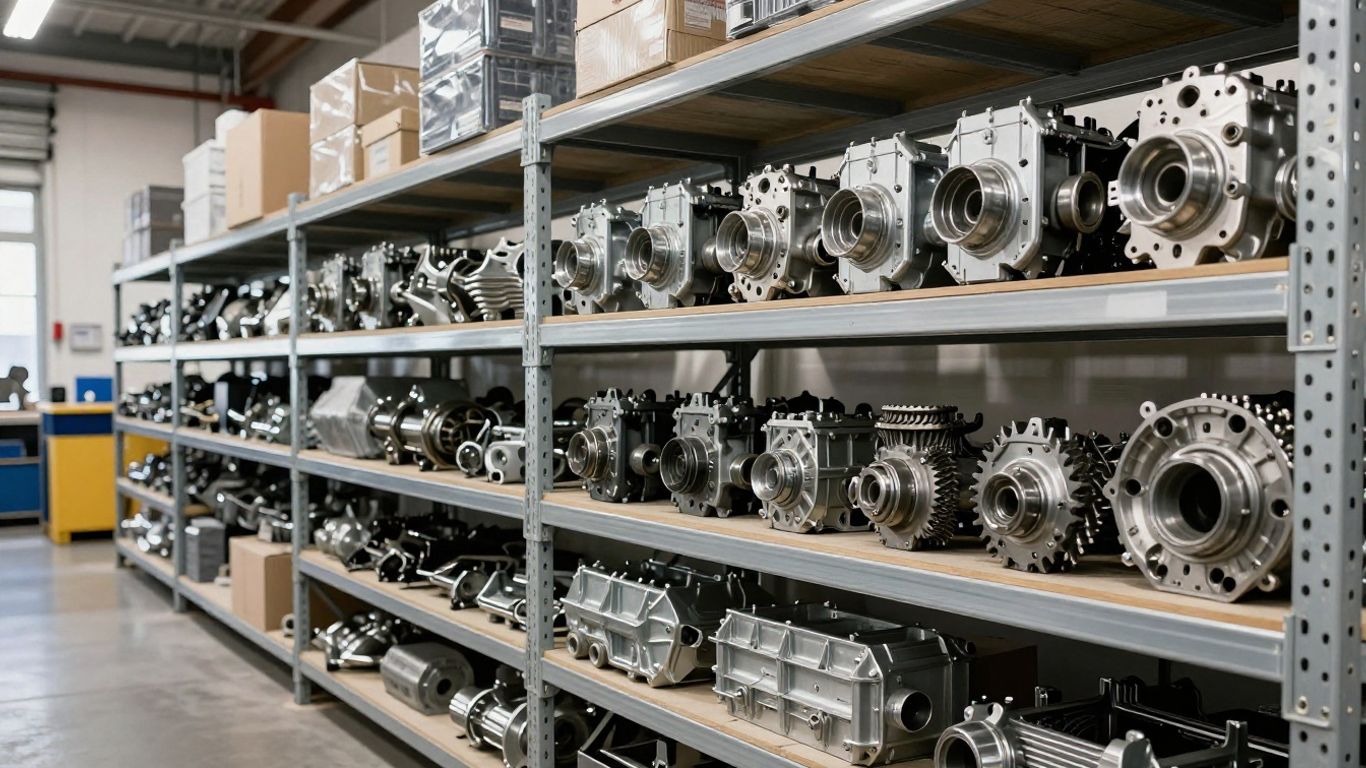
Finding a reliable source for high-quality used components is just as important as the part itself. When you choose an established supplier, you gain access to professional expertise and proper inventory checks, which significantly reduces the risk of receiving an incompatible item. The automotive salvage market is quite large, but success depends on selecting partners who prioritize component traceability.
Assessing dealer warranties and return policies
Reputable dealers typically include a functional warranty that covers the component for a set period after installation. You should always verify the specific coverage details, noting whether the warranty includes labor reimbursements or if it is strictly limited to the part replacement. A clear, written return policy is essential in case you discover unforeseen issues immediately following the test drive.
Verifying the authenticity of recycled components
When you purchase a salvaged item, ensuring it is a genuine manufacturer unit is necessary for long-term health. Genuine parts feature the correct casting stamps and identification tags that guarantee they meet factory specifications for housing thickness and internal component quality. Always compare these visible stamps against the original unit removed from your car to confirm they share the same lineage.
Analyzing supplier reputation in the automotive salvage market
Finding a trustworthy seller is made easier when you follow professional industry standards. Here is how to evaluate your options for procuring parts effectively:
- Prioritize suppliers who utilize VIN-based matching systems to guarantee electrical architecture compatibility.
- Look for transparency regarding how the salvage facility cleans and tests their components before shipping.
- Confirm the supplier offers direct customer support for technical questions during your search.
- Read community feedback to see if the supplier consistently delivers the specific model year requested.
Once you have narrowed down your supplier choices, request photos of the item taken specifically from your requested angles rather than relying on generic inventory photos.
Technical considerations during component installation
Installing a new transmission is a significant mechanical undertaking that requires precise steps to integrate the unit into your car’s existing electronic suite. Even a perfect salvaged unit can exhibit poor shifting behavior if the initial fluid and software procedures are not executed according to the manufacturer’s specifications. Proper installation is the bridge between a successful repair and an ongoing performance issue.
Requirements for fluid level checks and system flushing
Before the car moves under its own power, verify that the fluid level is calibrated exactly to the factory requirements for that specific temperature. Flushing the system entirely is recommended to remove any oxidized particles or debris that may have remained from the donor vehicle’s cooling lines. Clean fluid is essential for the smooth operation of hydraulic valves inside the gearbox.
Programming the transmission control module
Modern Haval transmissions require the onboard control module to be digitally linked to your specific vehicle’s identification. This process often involves a scan tool that updates the transmission software with the correct gear ratios and shift patterns intended for your engine management unit. Without proper coding, the transmission may go into a permanent fail-safe mode, significantly restricting your power and speed.
Ensuring software compatibility with your engine management unit
Communication between your transmission and your engine management system must be flawless for smooth torque delivery. If the software versions are not aligned, your car might experience sluggish acceleration or engine stalls due to mismatched signals. Technicians should verify that the firmware versions on both modules are compatible prior to the final initialization, ensuring your vehicle functions as a cohesive unit.
Cost-benefit analysis of used transmissions
Understanding the financial reality of replacing an entire drivetrain is the final step in your decision-making process. While new units provide peace of mind, salvage options often offer significant savings for owners of older vehicles looking to balance repair costs with vehicle market value. Determining which path is right for you involves looking at the full scope of potential expenses.
Comparing second hand pricing against new replacement units
Below is a breakdown of how different acquisition methods compare in terms of initial investment and ongoing potential.
| Procurement Option | Estimated Cost Level | Expected Warranty Support | Installation Complexity |
|---|---|---|---|
| Genuine OEM Salvage | Moderate | Limited (90 days) | Professional Required |
| Remanufactured Unit | High | Extended (1 Year+) | High |
| Dealer New Replacement | Premium | Full Factory Warranty | Professional Required |
Selecting a high-quality unit from an auto gearbox repository can frequently provide the best balance of cost and utility for vehicles that are no longer under factory warranty. By weighing these factors, you ensure that the financial path you take makes sense for your long-term ownership goals.
Factoring in specialized labor costs and shop time
Labor costs represent the largest variable in your repair estimate, especially since transmissions require a labor-intensive removal and installation process. Professional shops charge for the diagnostic testing following installation to ensure that the electronic handshake between the transmission and the chassis is complete. Setting aside extra funds for unexpected minor parts, such as new gaskets, mounts, or updated cooling lines, is always a wise strategy.
Calculating the long-term value of using OEM salvage parts
Choosing a genuine unit ensures that the materials used in the casing and the internal gear ratios are perfectly matched to your vehicle’s design. This alignment prevents premature wear that can occur if a generic aftermarket unit is installed that isn’t fully calibrated for your specific torque curve. Over the, span of several years, an OEM component generally sustains the vehicle’s drive characteristics better than off-brand alternatives.
Conclusion
Investing in a replacement gearbox requires a disciplined approach, focusing on matching parts to your vehicle’s VIN and verifying the component’s health through careful inspection. By working with reputable suppliers and ensuring that professional installation includes proper software integration, you can restore your vehicle to its native driving quality at a reasonable cost. Always prioritize compatibility, and your replacement transmission will provide the reliable service you need for the road ahead.
Frequently Asked Questions
How does vehicle heat affect second hand transmissions?
High temperatures can degrade internal transmission fluid more quickly, potentially causing premature wear on the clutches or seals inside a used unit.
Is it possible to test a transmission before installation?
While you cannot perform a full driving test on a detached gearbox, professional shops can pressure-test the hydraulic seals and use specialized tools to verify the functionality of the electronic solenoids.
Why is the VIN necessary for sourcing transmission parts?
Different manufacturing batches or minor trim changes may use different electronic control modules, so using the VIN ensures the new part will communicate correctly with your existing engine management system.
Should I always change the fluid on a used gearbox?
Performing a full fluid and filter change is highly recommended, as it clears out old debris and establishes a fresh baseline for the life of your replacement unit.
Can any professional shop install a used gearbox?
While most shops can physically mount a transmission, you should ensure they have the specific diagnostic software and tools required to program the transmission computer to your vehicle’s unique identification.
What are the main symptoms of a failing gearbox?
Common warning signs include delayed engagement when switching from park to drive, audible whining or grinding noises while moving, and unpredictable or harsh shifting during acceleration.
Does high mileage rule out a used transmission as safe?
Not necessarily, as a high-mileage unit with proof of regular, documented fluid maintenance is often a more reliable choice than a lower-mileage unit that has been sitting unused or poorly serviced.