

Key Takeaways
A recycled transmission can be a practical replacement, but the right choice depends on exact compatibility and credible inspection evidence.
- Match the transmission to the vehicle’s model, year, engine, drivetrain, and transmission code.
- Ask for mileage, vehicle history, inspection details, warranty terms, and return conditions.
- Compare the full cost, including shipping, installation, fluids, seals, programming, and possible core charges.
- Use a qualified installer who can complete mechanical work and any required electronic calibration.
- Keep detailed service records and respond quickly to leaks, slipping, unusual noises, or warning lights.
Understanding recycled Haval transmissions
Recycled Haval transmissions are used units removed from vehicles and assessed for possible reuse. They may offer a sensible alternative when a new replacement is costly or difficult to source. The term covers a range of conditions, so the label alone does not tell you how much remaining service life a unit has.
What a recycled transmission is
A recycled transmission is generally recovered from a vehicle that is being dismantled, often after an accident, mechanical failure elsewhere, or the end of its useful life. The unit is cleaned, identified, and checked according to the supplier’s process before being offered for sale. That process can vary considerably, which is why a buyer should ask what was actually inspected rather than assuming the transmission was rebuilt.
The useful question is not simply whether the part is used. Ask whether the casing, mounts, sensors, shafts, and external connections match your vehicle, and whether the seller can document the unit’s source and condition.
Why owners choose recycled parts
Owners often consider recycled parts because they can reduce the initial purchase price and make an older vehicle economical to repair. They may also be available sooner than a factory-order replacement, particularly for less common variants. A recycled unit can preserve the vehicle without committing to a complete overhaul, although installation and follow-up costs still matter.
The best decision weighs total repair cost, not just the advertised gearbox price. A cheaper unit with uncertain fitment, expensive freight, or no meaningful warranty may cost more once the vehicle is on the hoist.
Recycled versus rebuilt and remanufactured units
A recycled transmission is usually sold in the condition established by the dismantler’s inspection. A rebuilt unit has typically been disassembled and repaired with selected replacement components, while a remanufactured unit generally follows a more extensive restoration process intended to return it to a defined standard. These terms are not interchangeable, and sellers may use them differently.
Before comparing prices, ask for a written description of the work completed. Find out whether the unit was opened, which wear components were replaced, whether it was bench-tested, and what the warranty covers. Comparing unlike categories can make a recycled transmission appear either unfairly expensive or deceptively cheap.
Haval models commonly covered
Availability depends on the local dismantling network, vehicle age, and demand. Listings may cover familiar Haval SUVs such as the H6, Jolion, H9, or H2, but the same model name can include several engines and transmission variants. A model-level match is only a starting point.
For example, the Haval H6 parts information available from Total Parts Plus discusses recycled parts and transmission concerns, while a separate reference identifies the H6 Coupe as having powertrain options that included a six-speed dual-clutch transmission. Treat those references as research aids, then confirm the exact unit against your vehicle identification details.
Confirming transmission compatibility
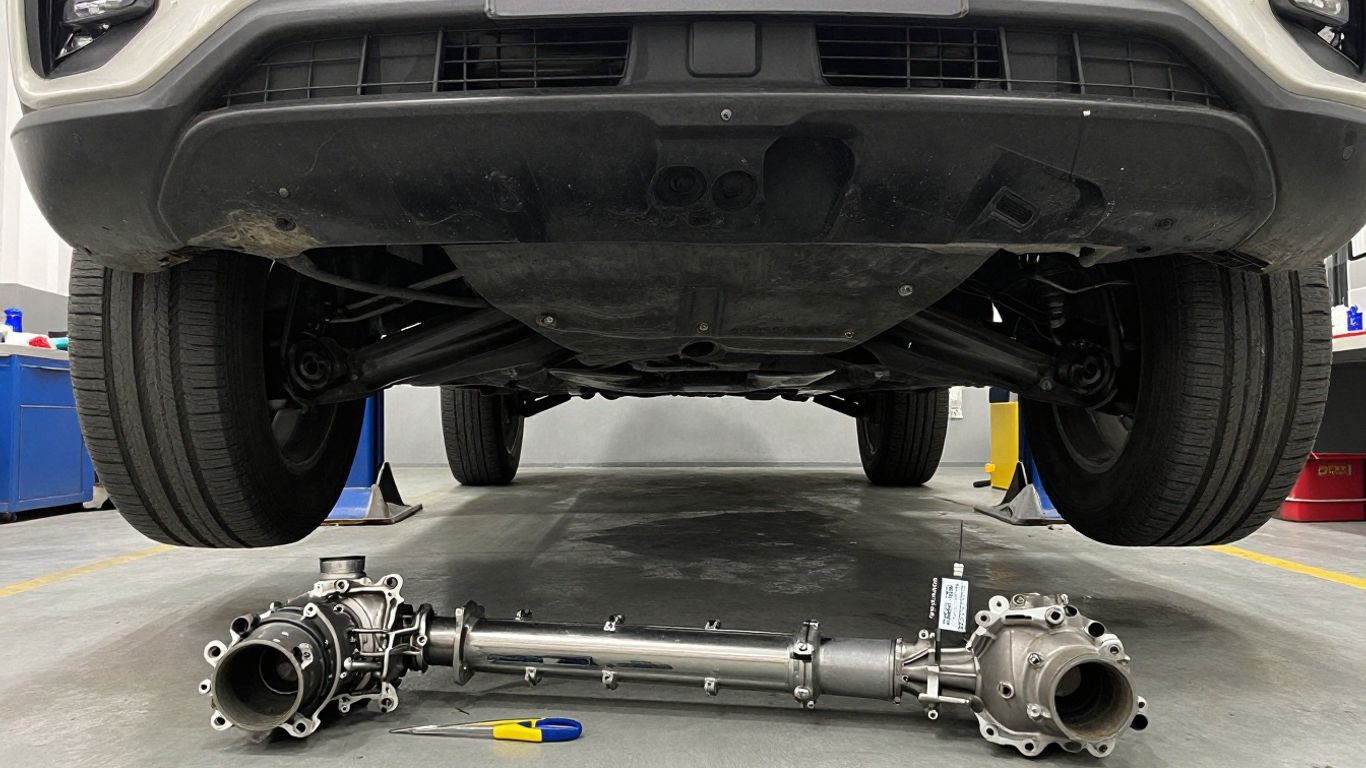
Compatibility is where many replacement purchases succeed or fail. Two vehicles can share a badge and body style while using different gearboxes, control modules, final-drive ratios, or mounting arrangements. Gather the vehicle’s identification details before contacting a supplier, and do not rely on a photograph that merely looks similar.
Matching the Haval model and production year
Record the exact model, production year, body style, engine size, and market specification. Facelifts and mid-year changes can bring different wiring, sensors, mounts, or software even when the exterior appears unchanged. The registration details are useful, but the vehicle identification number and the original transmission label are stronger evidence.
Give the supplier a complete description rather than saying only “Haval H6 transmission.” If the vehicle has been modified, imported, or previously repaired, mention that as well because it may affect the match.
Identifying automatic, manual, and dual-clutch systems
First establish whether the vehicle uses a conventional automatic, manual gearbox, or dual-clutch transmission. Their housings, fluids, control systems, and installation procedures differ. A dual-clutch unit may require specific clutch and actuator checks, while a manual gearbox still depends on the correct bellhousing, ratios, and linkage arrangement.
The Haval H9 gearbox issue guide is a useful example of why the symptom and transmission type need to be identified together. A report that a gearbox will not engage a desired gear does not, by itself, prove that the complete transmission must be replaced.
Checking transmission codes and specifications
Find the transmission code stamped or printed on the casing, label, or service documentation. Compare it with the code supplied by the seller, along with gear ratios, sensor locations, connector types, and mounting points. If the code is unreadable, ask a workshop or transmission specialist to help interpret photographs before money changes hands.
A credible listing should distinguish a verified code from an estimate based on model and year. When those details conflict, pause the purchase and request clarification in writing.
Verifying drivetrain and engine compatibility
Check whether the vehicle is front-wheel drive, rear-wheel drive, or all-wheel drive, and confirm the engine variant. The transmission may connect physically but still be unsuitable because of different torque ratings, transfer-case provisions, differential ratios, or electronic controls. Engine and drivetrain information should therefore appear on the quote, not just in an informal message.
Ask whether the replacement includes the torque converter, clutch assembly, mechatronics, sensors, or transfer-case components where applicable. Knowing what is included prevents a supposedly complete unit from arriving without parts needed for installation.
Evaluating the condition of a used transmission
A used transmission cannot be judged reliably by clean photographs alone. Condition evidence should combine the unit’s mileage and history with visible inspection findings and, where available, test results. The goal is not to demand certainty that no used component can provide, but to reduce avoidable risk.
Reviewing mileage and vehicle history
Ask for the donor vehicle’s recorded mileage and, if available, its service history. Learn why the vehicle was dismantled and whether the transmission was removed from a running vehicle or recovered after a collision. A low odometer reading is helpful only when it is supported by a credible source.
History can also reveal conditions that affect wear, such as towing, flooding, repeated overheating, or long periods of neglect. If the seller cannot explain the donor vehicle’s background, treat the unknown history as part of the risk and negotiate accordingly.
Checking for leaks, damage, and corrosion
Inspect photographs of the casing, pan, bellhousing, mounts, shafts, connectors, and breather points. Look for cracks, impact marks, stripped threads, bent brackets, damaged splines, oil staining, and corrosion around electrical connections. Surface dirt is usually less significant than damage that could affect sealing or alignment.
Request close-up images of any area hidden in the main listing photographs. A seller who can provide consistent, unit-specific images makes it easier to distinguish the actual transmission from a generic stock picture.
Assessing internal wear indicators
External inspection cannot reveal every internal problem, but some clues are available. Ask whether the fluid contained excessive metallic debris, whether the pan was removed, and whether the shafts or bearings showed abnormal play. For manual gearboxes, ask about bearing noise and synchronizer operation; for automatic or dual-clutch systems, ask what was done to assess shift quality and clutch operation.
The following questions help turn a vague condition claim into a more useful conversation:
- Was the transmission drained, and what did the fluid or debris look like?
- Were the input and output shafts checked for play or roughness?
- Were connectors, sensors, mounts, and the casing inspected separately?
- Was the unit tested before removal or after it was received?
The answers will not eliminate uncertainty, but they show whether the supplier has specific knowledge of the unit being sold.
Understanding inspection and testing reports
Read inspection reports for unit-specific details, not just phrases such as “tested good.” A useful report identifies the transmission code, inspection date, visible defects, fluid observations, and the tests performed. If the report refers to a vehicle or component with different identifying details, ask for a corrected document.
A test report is evidence, not a promise of indefinite service life. Compare it with the warranty exclusions and have the installer inspect the replacement before fitting it, when practical.
Comparing suppliers and total costs
The purchase price is only one part of the replacement decision. Freight, packaging, taxes, installation, fluids, seals, programming, and a refundable core charge can change the final figure substantially. A clear written quote makes suppliers easier to compare and reduces unpleasant surprises.
Questions to ask a recycler or wrecker
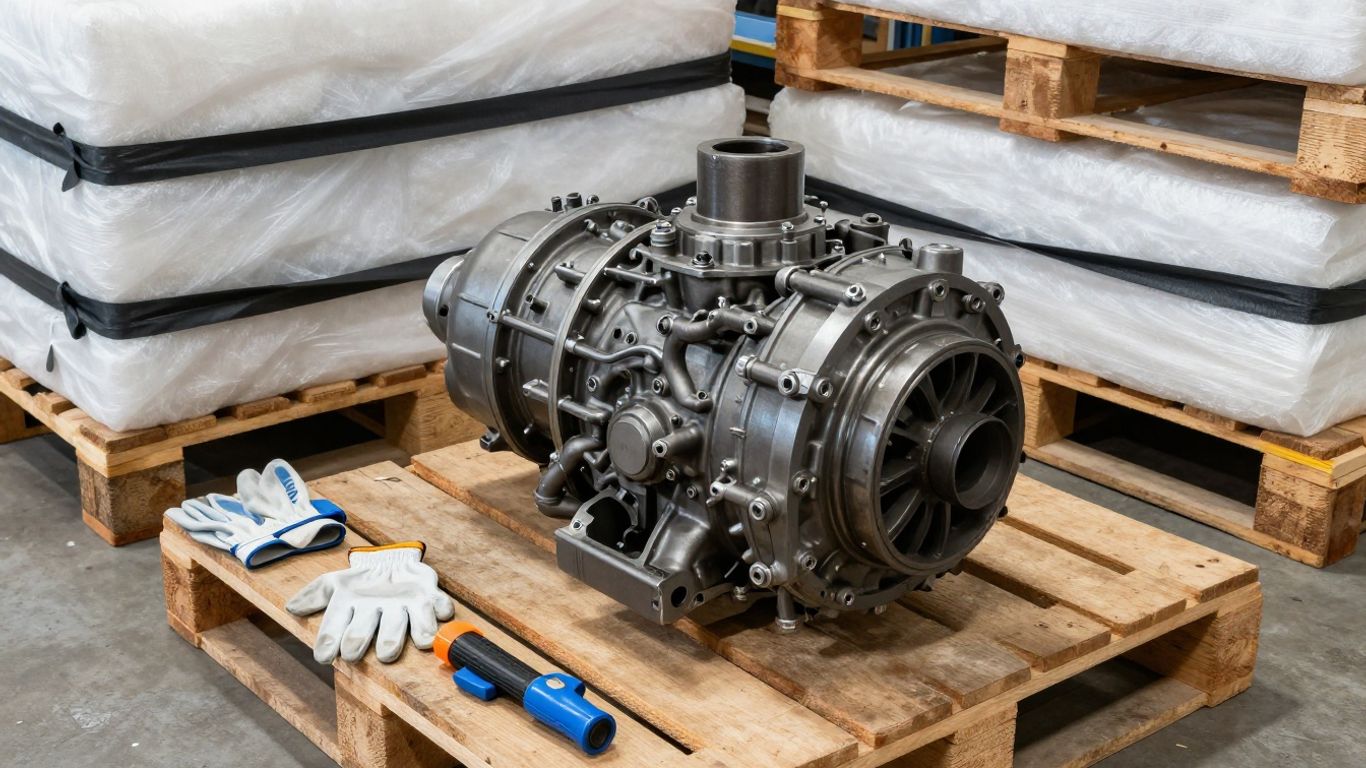
Ask direct questions about the exact unit, not only the supplier’s general stock. Nisswreck, for instance, describes used, reconditioned, and aftermarket Haval parts and says its parts are checked before dispatch; that kind of published process is useful context, but you should still request details for the specific transmission you are considering.
Confirm the code, mileage, donor vehicle, included components, inspection work, dispatch timing, and warranty. Also ask how the supplier handles a mismatch discovered before installation or a fault found during the warranty period.
Comparing price, shipping, and core charges
Request an itemized quote that separates the transmission from every related charge. Shipping can be significant because transmissions are heavy and require secure packaging. A core charge may be refundable only if your old unit meets conditions about completeness, damage, or return timing.
A simple comparison table keeps the figures on the same basis:
| Cost item | Supplier A | Supplier B | Supplier C |
|---|---|---|---|
| Transmission price | $1,200 | $1,350 | $1,050 |
| Shipping and handling | $180 | $120 | $260 |
| Core charge | $300 | $250 | $350 |
| Warranty length | 6 months | 12 months | 3 months |
The figures above are only a comparison format, not market quotes. Add installation and consumables before deciding, then consider whether a longer, clearer warranty justifies a higher upfront price.
Reviewing warranty and return terms
Read whether the warranty covers parts only or parts and labor, and check the required installation procedure. Some terms may require approved fluids, professional installation, documented flushing, or prompt reporting of a fault. Ask who pays removal and return freight if the unit fails.
Return policies may also exclude units that have been opened, modified, incorrectly installed, or operated with the wrong fluid. Keep the written quote, invoice, photographs, and installer’s notes together from the beginning.
Identifying red flags in online listings
Be cautious when a listing uses only generic photographs, avoids the transmission code, or promises universal fitment. Other warning signs include unexplained gaps between the listed mileage and donor history, pressure to pay before written confirmation, and warranty wording that cannot be supplied in full.
A supplier website should also make basic business information easy to find. For example, a cookie policy explains how a website handles cookies and consent, while a website speed guide discusses the commercial effects of slow pages; neither proves a transmission is good, but transparent online practices make basic due diligence easier. Similarly, unrelated service pages such as gutter installation services illustrate why a business’s actual specialty should be clear before you request a quote.
Planning the replacement installation
The installation is part of the replacement, not an afterthought. A suitable transmission can still fail early if the original cause was missed, the wrong fluid was used, or a seal was damaged during fitting. Plan the work around inspection, cleaning, correct parts, and post-installation checks.
Preparing the vehicle for transmission removal
Before removal, record diagnostic trouble codes and note the original symptoms, fluid level, noises, and shift behavior. Photograph connectors, brackets, cable routes, and hose positions so reassembly is less dependent on memory. The workshop should also inspect the engine, mounts, cooling lines, driveshafts, axles, and wiring for related damage.
If the old unit failed because of overheating, contamination, or a broken component, identify and correct that cause before fitting the replacement. Otherwise the recycled unit may inherit the same problem.
Replacing related seals, fluids, and filters
Replace accessible seals, O-rings, gaskets, and filters when the manufacturer’s procedure or the installer’s inspection supports doing so. Use only the specified fluid and fill it according to the correct temperature and level-check method. “Universal” fluid is not automatically suitable for every automatic or dual-clutch system.
Clean cooler lines and inspect the cooler where contamination may have circulated. The installer should explain which consumables are included in the quote and which are additional.
Choosing a qualified installation professional
Choose a workshop with experience in the relevant transmission type and access to suitable diagnostic equipment. Ask whether the technician will inspect the replacement before installation, verify the code, check mounts and lines, and road-test the vehicle afterward. A low labor quote is less useful if it excludes diagnosis or requires the transmission to be removed again for a preventable issue.
For broader repair comparisons, AutoGuru service quotes are mentioned in one Haval gearbox resource, but local availability and the scope of any quote should be checked directly. The installer remains responsible for confirming what work is actually needed.
Accounting for programming and calibration
Modern vehicles may require module setup, clutch or shift adaptation, sensor calibration, or diagnostic clearing after a transmission is installed. The exact process depends on the vehicle and transmission system. Ask the workshop whether programming is included and whether a post-installation scan and road test are part of the job.
Do not assume that a mechanically identical unit will operate correctly without electronic configuration. Keep the diagnostic report from before and after installation so any later concern can be traced more accurately.
Maintaining a recycled Haval transmission
Good maintenance cannot change the unit’s past, but it can reduce avoidable stress after installation. Start with the service information for the exact vehicle and transmission rather than a generic interval. Pay attention to temperature, fluid condition, and changes in shift quality.
Following the correct fluid service schedule
Use the specified fluid, level, and service method for the transmission code. Some systems require a particular temperature range or scan-tool procedure when the level is checked. Record the date, mileage, fluid specification, filter or seal work, and the workshop that performed the service.
If the vehicle is used for towing, heavy loads, steep terrain, or frequent stop-start driving, ask whether its service schedule should be adjusted. The correct interval is more useful than an arbitrary promise of “lifetime” fluid.
Recognizing early warning signs
Respond to symptoms before they become a complete failure. Delayed engagement, slipping, harsh shifts, shuddering, whining, burning smells, fluid spots, and warning lights all deserve prompt diagnosis. Continuing to drive may turn a manageable issue into damage affecting multiple components.
A short video or written description of when the symptom occurs can help the technician. Note whether the transmission is cold or warm, whether the vehicle is climbing, and whether the problem appears in a particular gear.
Preventing overheating and excessive wear
Keep cooling systems, transmission coolers, lines, and heat shields in good condition. Avoid towing beyond the vehicle’s rating and do not ignore low fluid levels or leaks. Smooth acceleration and allowing the transmission to engage fully before driving away can also reduce unnecessary shock loads.
A replacement unit should be treated as a component that needs care, not as a permanent cure for every drivetrain problem. Regular inspections are especially worthwhile during the first weeks after installation.
Documenting service for warranty protection
Warranty protection often depends on evidence that the unit was installed and maintained correctly. Keep the invoice, transmission identification, mileage, fluid receipts, diagnostic scans, road-test notes, and photographs of any leak or damage. Report a suspected fault according to the supplier’s stated time limit and avoid disassembling the unit before receiving instructions.
For general digital record-keeping, even a service that explains turning newsletters into podcasts is a reminder that information is easier to use when it is organized and accessible. In this case, a simple vehicle folder or cloud record is enough; the important thing is consistency.
Conclusion
Choosing recycled Haval transmissions is mainly an exercise in verification: identify the exact unit, examine the evidence, calculate the complete cost, and plan installation with the right fluids and diagnostics. A careful supplier and a qualified workshop can make a used replacement a reasonable repair, while clear records and early maintenance help protect that investment.
Frequently Asked Questions
Is a recycled transmission the same as a rebuilt transmission?
No. A recycled transmission is generally a used unit inspected for resale, while a rebuilt transmission has usually been opened and repaired with selected components. Ask the seller to define the work completed rather than relying on the label.
How do I identify the correct replacement transmission?
Match the model, production year, engine, drivetrain, transmission type, and transmission code. Confirm the details against the vehicle identification number and the original unit before ordering.
What mileage is acceptable for a used transmission?
There is no universal mileage cutoff. Mileage should be considered alongside service history, donor-vehicle use, inspection findings, testing, price, and warranty terms.
Should I replace the fluid before installing a used transmission?
Follow the manufacturer’s procedure and the installer’s inspection. The correct fluid, filter, seals, cooler-line condition, and level-check method are all relevant to a successful installation.
Can a used transmission require programming?
Yes. Some vehicles need module configuration, adaptation, calibration, or diagnostic clearing after replacement. Confirm the requirement and cost with the installation workshop before work begins.
What should a transmission warranty cover?
Check the duration, covered components, installation requirements, exclusions, claim process, and responsibility for labor and freight. A written warranty is more useful when its conditions are specific and understandable.
What are the first signs of transmission trouble after installation?
Watch for delayed engagement, slipping, harsh or erratic shifts, shuddering, unusual noises, leaks, burning smells, or warning lights. Stop and seek diagnosis promptly rather than continuing to drive through a worsening symptom.