

Key Takeaways
Underbody protection can reduce the risk of direct impacts to covered components, but choosing a suitable setup starts with your actual driving conditions and exact vehicle fitment.
- Identify which parts of the underside are most exposed on your regular routes.
- Compare plate coverage, material, weight, and ground-clearance effects.
- Confirm model year, trim, factory equipment, and mounting hardware before buying.
- Plan for service access, drainage, and regular inspections.
- Treat skid plates as a layer of protection, not a guarantee against damage.
What underbody protection does for your Haval
A skid plate is a barrier fitted beneath a vehicle to help shield selected components from contact with stones, ruts, and other obstacles. The useful question is not whether a plate makes a vehicle invulnerable, but which parts it covers and how well it suits the way you drive. Coverage varies by product, so check the details rather than relying on a broad label such as “full protection.”
Which components are most exposed to damage
The underside can meet hazards that are difficult to see from the driver’s seat: a raised rock, a deep rut, or debris kicked up on a rough road. Depending on the vehicle and the kit, a plate may cover areas around the engine, chassis, or other components underneath. Do not assume that one plate protects every vulnerable part; look for a diagram or a clear description of the specific coverage.
Ground clearance and the shape of the route matter, too. A vehicle that regularly crosses uneven ground faces a different kind of exposure from one used mainly on paved roads, even if both travel the same distance. Inspecting the underside after a demanding drive can help you understand where protection would be most useful.
How skid plates help on roads and trails
A properly matched plate can take some direct contact that might otherwise reach a covered component. On rough roads or trails, that barrier may help reduce damage from isolated knocks, though its effectiveness depends on its construction, mounting, and coverage. In product listings, the Raptor protection plate is described as covering named underbody areas including the battery, engine, chassis, and high-voltage wiring; check the listing and vehicle fitment details before treating that scope as relevant to another model.
For everyday driving, protection can also be useful where road debris or uneven surfaces are a regular concern. It does not make careful route choice unnecessary. A plate should be viewed as a practical layer between certain hazards and covered parts, not permission to drive into obstacles without considering clearance.
What underbody protection cannot prevent
A plate cannot protect components that it does not cover, and it cannot prevent every kind of impact or mechanical failure. Severe contact may damage the plate, its fasteners, or nearby parts; the vehicle may also be affected by an obstacle striking a wheel, suspension component, or bodywork beyond the plate’s reach. Protection is always limited by design and fit.
Think of coverage as the deciding detail: a sturdy material is of little help if the hazard reaches an uncovered area or the kit is mounted incorrectly. After a hard impact, inspect the plate and nearby components rather than assuming the barrier absorbed everything. If something looks bent, loose, or out of place, arrange an appropriate inspection before continuing to drive.
How to choose protection for your driving
Start with how and where the vehicle is actually used, not with the most extensive kit you can find. Regular road use, gravel tracks, and challenging trails create different priorities, and a setup that makes sense for one driver may add unnecessary weight or cost for another. The best choice is a considered trade-off between the areas you want covered and the changes a plate may bring to clearance and access.
Match coverage to your terrain and routine
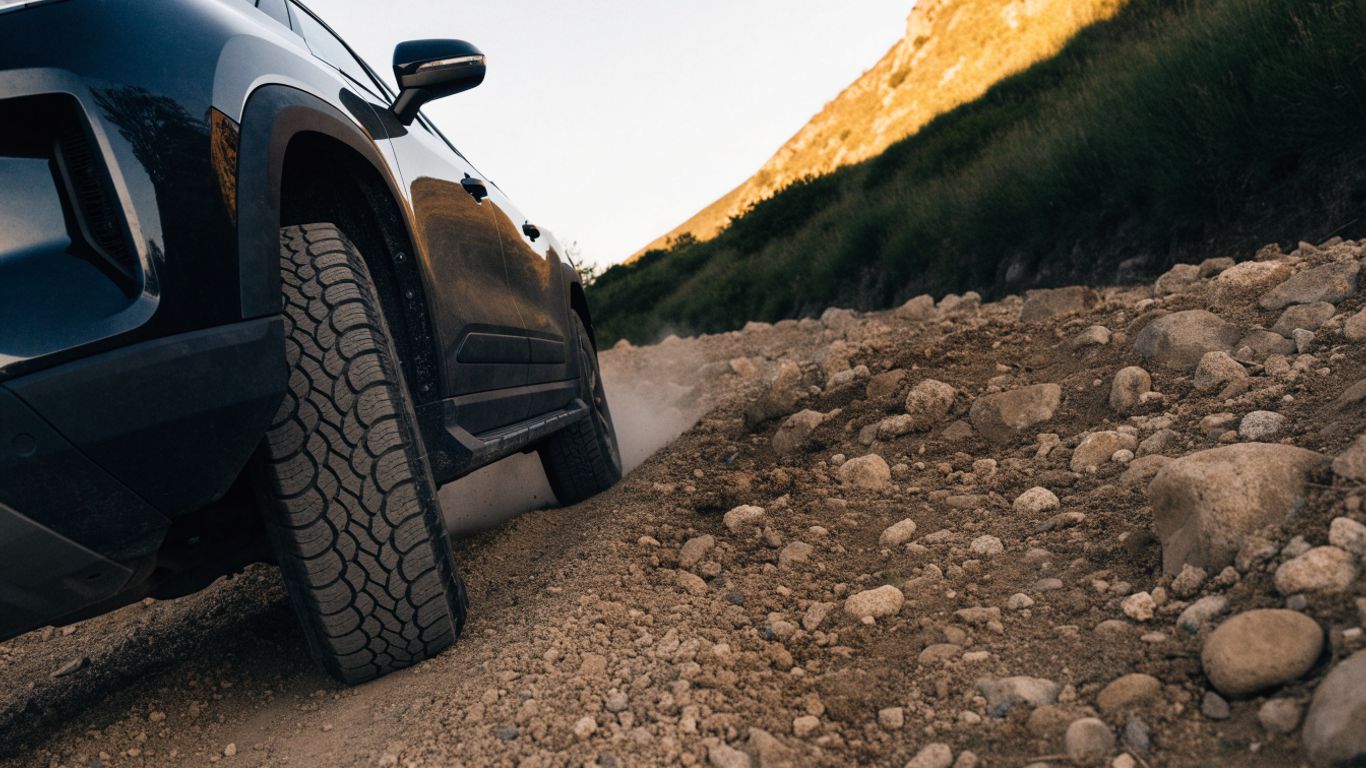
Think through the routes you use most often and the obstacles you encounter there. A driver who occasionally travels over gravel may have different needs from someone who regularly drives across rutted tracks. Consider how often the vehicle leaves smooth pavement, whether the route has protruding rocks or deep channels, and which underside areas a particular plate actually covers.
It can help to turn those observations into a short list before comparing products. Keep the list specific; “off-road use” alone does not say much about the conditions or the likely contact points.
- Note the surfaces and obstacles you meet on regular routes.
- Identify any exposed areas you want a plate to cover.
- Check whether the proposed kit covers those areas, not just a nearby section.
- Revisit the choice if your driving routine changes.
Once you have that baseline, compare the listed coverage with the demands you identified. If the product description is vague, ask for a fitment diagram or more specific information before buying.
Balance added protection against weight and ground clearance
A plate adds material beneath the vehicle, so its weight and shape are worth considering alongside its protective role. A lower edge or a bulky design can affect available clearance, while heavier construction may not suit every driver’s priorities. Product descriptions should give enough information to compare dimensions, material, and weight; if important details are missing, ask the seller rather than guessing.
In particular, check how the plate sits relative to the vehicle’s lowest points. A protective panel that becomes the first thing to meet every obstacle may change where and how the vehicle makes contact. The intended benefit is not automatic: the design needs to suit both the vehicle and the terrain.
Decide whether partial or full coverage makes sense
A partial kit may make sense when you have a clear priority, such as shielding a particular area. Broader coverage may be worth considering when the vehicle regularly encounters varied obstacles, but the word “full” should not substitute for checking which components are actually covered. Confirm the boundaries of the kit and any gaps between its panels.
The comparison below can help frame the choice. It is a starting point rather than a universal ranking, because the right answer depends on your routes and the particular kit.
| Approach | Potential advantage | What to check |
|---|---|---|
| Partial coverage | Focuses on selected areas | Which components remain exposed |
| Broader coverage | Covers more underbody area | Added weight, clearance, and panel gaps |
| No added plate | Avoids extra hardware and weight | Whether your routine leaves vulnerable areas exposed |
Use the table to narrow the questions you need answered, not to assume that one approach is best for every driver. A clear description of coverage and fitment is more useful than a broad promise.
Materials and design features to compare
Material is only one part of a plate’s suitability. The shape, reinforcement, finish, mounting method, and servicing access all affect how the piece works in daily use. Compare the complete design and its stated application rather than choosing by a single specification in isolation.
Steel, aluminum, and composite plate options
Steel, aluminum, and composite materials each involve different considerations, and the product’s construction details matter more than the material name alone. Compare stated weight, corrosion protection, thickness, and the intended application. If a listing does not explain how the material is finished or what the plate is designed to cover, ask for clarification before treating a short label as enough information.
The Haval H6 engine plate listing, for example, describes iron and aluminum options. That is a listing-specific description, not a reason to assume that either option fits every vehicle or that material alone predicts performance. Confirm the exact kit’s specifications and vehicle application.
Plate thickness, formed edges, and reinforcement
Thickness can be useful for comparing products, but it does not tell the whole story. Plate shape, formed edges, bracing, and the points where loads transfer into the vehicle all influence the design. Check whether the seller provides dimensions and construction details, and be cautious about comparing numbers that refer to different materials or designs.
A rigid-looking panel is not necessarily a well-matched one. The mounting arrangement and the way the plate clears surrounding components are just as relevant, especially if the vehicle has factory equipment or changes made after purchase. Look for a product description that is specific enough to confirm those details.
Access openings for servicing and drainage
Service openings can make routine access easier, while drainage and clearance around the panel can affect how easily water and debris escape. Check which maintenance tasks can be done without removing the plate and whether openings line up with the relevant service points. The product description or installation instructions should make this clear.
A plate that is awkward to remove or clean may turn a simple inspection into a larger job. Consider how often you drive in mud or wet conditions, and whether the design leaves places where material can collect. Those everyday details matter after the initial installation is finished.
Fitment across Haval models and model years
Fitment is not a detail to leave until checkout. A plate that suits one model or year may not align with another vehicle’s underside, even when the nameplate is similar. Confirm the exact application using the vehicle’s model year, trim, and equipment, then compare that information with the kit’s fitment documentation.
Confirm your exact model, year, and trim
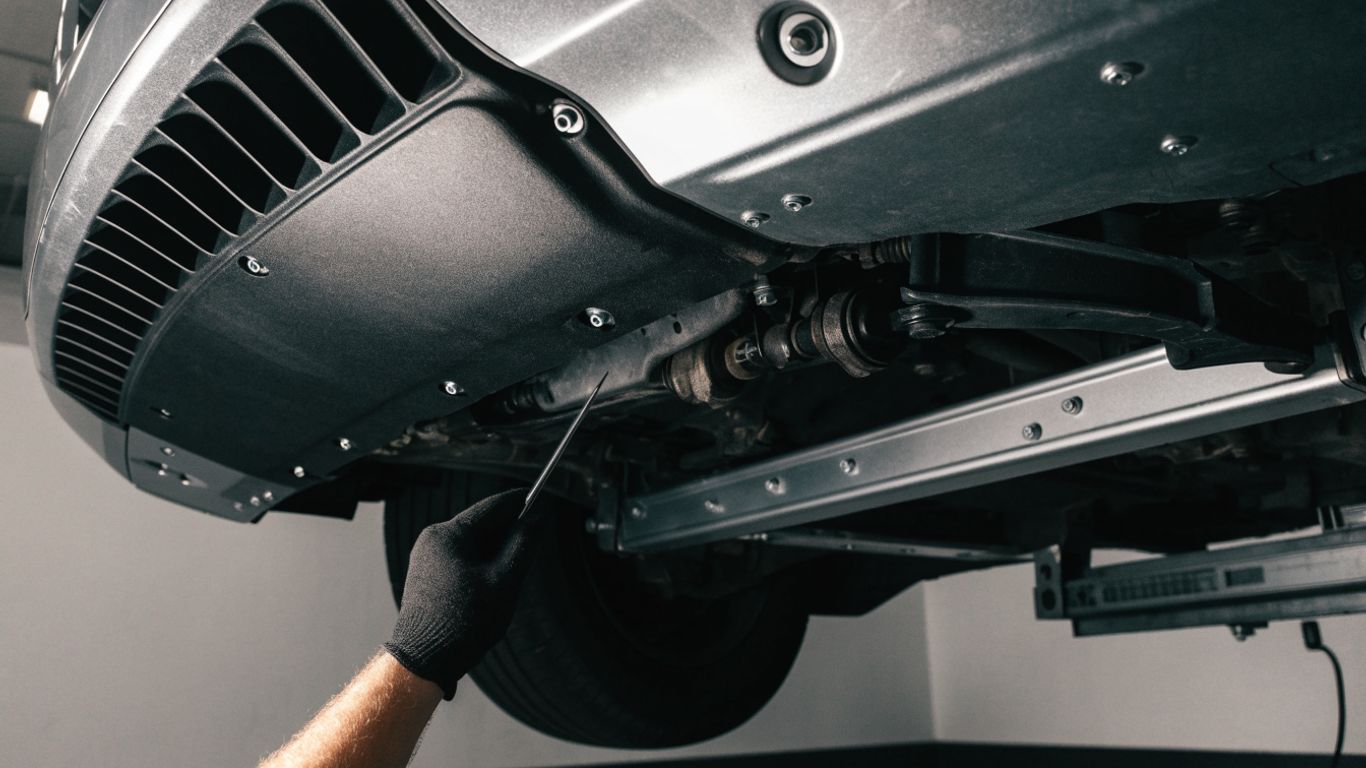
Read the fitment details carefully and match them against the vehicle identification information in your owner documents. Check whether the listing specifies a particular model year, trim, engine, or other variant, and ask the seller if the description leaves room for doubt. A broad statement that a part fits a model range is not a substitute for confirmation of your exact vehicle.
Some listings are narrowly defined: the 2024 H9 skid plate, for example, is described for a specific model year. Treat that as a reminder to verify the application, not as evidence that the same kit fits earlier or later vehicles. If there is no clear fitment answer, wait to order until one is available.
Check compatibility with factory equipment and modifications
Factory equipment can affect available mounting locations or the space beneath the vehicle. Modifications may do the same, particularly if they change suspension height or add components under the body. Tell the seller about relevant changes and confirm whether the kit remains compatible before buying.
For parts research, a HAVAL H9 parts catalog can help orient a buyer to the range of vehicle systems and replacement parts described for that model. It does not replace a fitment check for an underbody plate. If a vehicle has been repaired or modified, compare its current configuration with the installation information as well as the model details.
Verify mounting points and included hardware
Before purchase, confirm how the plate attaches and whether the kit includes the required brackets and fasteners. Ask whether installation uses existing mounting points or requires other changes, and check that the instructions cover your vehicle configuration. Missing or unclear hardware information is worth resolving before the vehicle is on a lift.
Matching a part to a specific application is a matter of checking details, a principle that appears in many fields. For instance, VacatePlea describes a service focused on eligibility and a defined legal process; here, the practical lesson is simply to verify the relevant requirements before proceeding. For vehicle fitment, those requirements are the model, year, equipment, and mounting arrangement.
Buying and installing Haval underbody protection
Once the vehicle and coverage are clear, compare the product details and installation demands. A low price or a broad claim does not answer whether a plate fits, what it covers, or whether the necessary hardware is included. Ask for any missing information before ordering, especially if installation depends on vehicle-specific mounting points.
Compare vehicle-specific kits with universal plates
A vehicle-specific kit is intended for a named application, but the exact model and year still need to match. A universal plate may require additional checking or adaptation, so confirm how it will attach and whether its dimensions suit the vehicle. Do not assume that a product is appropriate just because it can be positioned beneath the vehicle.
Look for a clear fitment statement, a coverage description, and installation information. If a listing refers to a specific accessory range, such as H7 and H9 skid plates, use it as a prompt to verify the exact item and application rather than treating a range name as proof of compatibility. A little diligence before purchase can prevent a poor fit and avoidable rework.
Review installation requirements and fasteners
Read the installation instructions before starting. Check what tools are needed, whether the kit uses existing mounting points, and whether any fasteners or brackets are supplied. If the instructions are unavailable, ask the seller for them; improvising around unclear fitment can create problems that are harder to correct once the plate is in place.
Plan for safe access to the underside, too. The vehicle must be supported appropriately, and the plate should be secured as instructed. Follow the supplied requirements for fasteners and tightening rather than substituting hardware or relying on a visual check alone.
Know when professional installation is worthwhile
Professional installation is a sensible option if the instructions are unclear, the kit requires modification, or you are not equipped to support the vehicle safely. It may also help when factory equipment or previous repairs complicate access to the mounting points. Before booking, confirm that the installer has the kit instructions and knows which vehicle configuration is involved.
Think of installation as part of the purchase, not an afterthought. The same is true of planning a service with specific options, whether comparing Big Island couples portraits or choosing Maui wedding add-ons; in this case, confirm the scope and requirements before the work begins. For a plate, that means agreeing on fitment, hardware, and any extra labor in advance.
Inspecting and maintaining underbody protection
A fitted plate needs occasional attention, especially after rough roads, trail use, or a noticeable impact. Inspection helps catch loose hardware and visible damage before they become a bigger concern. Make it part of the vehicle’s ordinary checks, and follow any maintenance guidance supplied with the kit.
Check for loose hardware and impact damage
Look for fasteners that appear loose or missing, bent edges, cracks, or contact marks that suggest the plate has shifted. Pay attention to nearby parts as well, since a plate can move or an impact can affect components beyond the protected area. Do not reach beneath a vehicle that is not safely supported.
If the plate is visibly deformed or a fastener will not hold, have the issue assessed before relying on the protection again. A hard impact is a reason to inspect rather than assume that the plate has done its job without consequence. Keep any installation or inspection records that may help a technician understand the part’s history.
Clear out mud, debris, and trapped moisture
Mud, leaves, and other material can build up around or above a plate, especially after wet or off-pavement driving. Clear away debris when it is safe to do so and check that drainage paths are not blocked. Trapped material can make inspection harder and may conceal damage or loose hardware.
How often to clean it depends on conditions. A vehicle used on muddy tracks may need attention sooner than one driven mainly on dry pavement. Cleaning also gives you a chance to spot changes in the plate’s position or condition.
Reassess fitment after repairs or vehicle modifications
Repairs and modifications can change how a plate lines up with the underside or its mounting points. After work on nearby components, check that the plate has been refitted correctly and that access openings remain aligned. If suspension or other underbody equipment has changed, ask whether the existing plate is still suitable.
A fitment check is not a one-time task when the vehicle’s configuration changes. Confirm that the plate is secure and that it does not interfere with components or routine service access. If anything seems unclear, seek guidance from the installer or seller before using the vehicle in demanding conditions.
Conclusion
Choosing Haval underbody protection is chiefly a matter of matching real-world exposure with confirmed coverage and exact fitment. Compare the complete design, installation requirements, and maintenance needs, then inspect the plate after demanding use; a well-considered setup can add a useful layer of protection without pretending to eliminate every risk.
Frequently Asked Questions
Do skid plates protect the entire underside of a vehicle?
Not necessarily. Coverage varies by design, so check which areas and components a particular plate is intended to cover and whether gaps remain.
Is a thicker skid plate always better?
No single specification settles the choice. Material, shape, reinforcement, mounting, weight, and the intended application all matter alongside thickness.
Can a skid plate reduce ground clearance?
A plate’s position and shape can affect the lowest point beneath a vehicle. Compare its dimensions and installed position with your available clearance before buying.
Should I choose partial or broader coverage?
Choose based on the hazards you regularly encounter and the areas you want to protect. Compare the actual coverage, weight, cost, and service access rather than relying on a “full coverage” label alone.
Do universal plates fit every vehicle?
No. A universal design may require additional checks or adaptation. Confirm dimensions, mounting points, and compatibility with the vehicle’s equipment before ordering.
How often should underbody protection be inspected?
Inspect it as part of routine vehicle checks and after a significant impact or demanding drive. The frequency of cleaning and closer inspection should reflect the road and weather conditions you encounter.
Can I install a skid plate myself?
That depends on the instructions, available tools, and your ability to support the vehicle safely. If fitment is unclear or installation requires modification, professional help is a prudent choice.