

Key Takeaways
A well-chosen set of side steps should fit the vehicle, suit the people using it, and work with the way it is driven. Confirm fitment and installation details before buying.
- Match the kit to the exact model year, trim, and mounting points.
- Compare running boards and tubular steps for access, grip, and appearance.
- Check construction, finish, load rating, and supplied hardware.
- Weigh easier entry against added weight and potentially reduced clearance.
- Follow vehicle-specific instructions and inspect the steps regularly.
Check compatibility with your Haval model
Fitment is the first thing to settle, before style or price. Side steps can look similar in photographs yet differ in their brackets, mounting positions, and clearances. For Haval side steps aftermarket shopping, verify the vehicle details against the seller’s fitment information rather than relying on a broad model name alone.
Match the side steps to the model year and trim
Start with the vehicle’s model year and trim, then check whether the listing explicitly includes them. A Haval H6 listing, for example, should still be checked against the specific year and specification of the vehicle in your driveway. When comparing H6 side steps with H6 running boards, treat the listing as a starting point and confirm the stated fitment before ordering. Search results may also mix in unrelated pages about AI search SEO, Google review stands, NFC tap cards, advanced wound care, or medical equipment suppliers; none of those subjects establishes whether a step kit fits your vehicle.
Confirm mounting points and included brackets
A compatible kit needs to line up with the vehicle’s mounting points, and its brackets need to suit those points. Ask the seller whether the required brackets and fasteners are included, and whether the installation calls for any changes to the vehicle. The details matter: a step that is the right length may still be unsuitable if the hardware does not match.
Check door clearance and vehicle dimensions
Look at the step’s length and position in relation to the doors. It should leave room for doors to open and close without striking the board or tube, while sitting where passengers can comfortably reach it. If the listing is unclear, ask for measurements or a fitment drawing before you buy; guessing from a photograph is an easy way to end up with an awkward fit.
Compare aftermarket side-step designs
Once fitment is established, consider how the steps will be used each day. The main choice is often between a broad board and a narrower tubular design, followed by the question of whether a fixed or retractable step makes more sense. Neither option is automatically right for every passenger or driving routine.
Choose between running boards and tubular steps
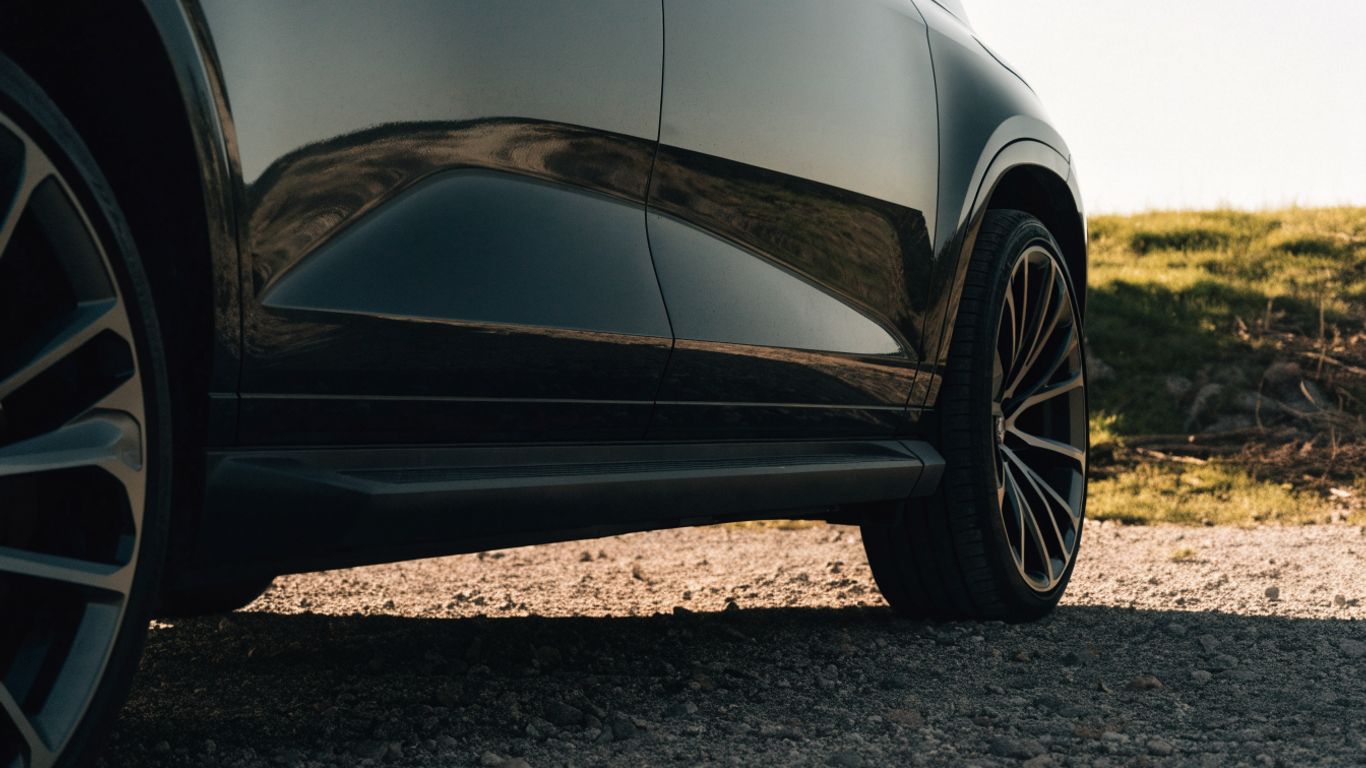
Running boards generally provide a wider surface to step onto, while tubular steps have a more compact profile. Think about the space available along the vehicle’s sides and the sort of footwear passengers typically wear. A wide platform may feel more reassuring to some users, while a tube-style step may suit someone who prefers a slimmer look and a smaller step surface.
Consider fixed and retractable designs
Fixed steps stay in place, making their position easy to anticipate when getting in or out. Retractable designs move out of the way when not in use, but have additional components to consider and may need more attention during installation and upkeep. Before choosing, check how the design attaches and whether its operation and maintenance suit the vehicle’s use.
Assess step width, grip, and passenger access
Width is only part of the decision: the surface also needs to feel secure underfoot. Look for a textured or otherwise grippy finish, and consider whether the step sits at a comfortable height for children, older passengers, or anyone carrying bags. These details are best judged together; a broad surface is of little help if it is awkwardly positioned or slippery when wet.
Evaluate materials and construction
A step’s material and finish affect its weight, durability, and care requirements. Product listings may describe the same broad design in different materials, so compare details rather than assuming one label tells the whole story. Pay attention to construction and hardware as well as the visible surface.
Compare aluminum and steel options
Aluminum and steel are both used for side-step products, but the material alone does not tell you how a finished kit will perform. Consider the product’s stated weight, construction, and intended use alongside your fitment needs. A clear specification is more useful than a general claim that a material is “heavy duty.”
Inspect the finish and corrosion protection
The finish is exposed to water, grit, and road grime, so check what the seller says about surface protection. Look closely at edges, joints, and places where water or debris could collect. A coated surface can still be chipped or scratched in use, so regular cleaning and inspection remain worthwhile.
Check load ratings and hardware quality
Look for a stated load rating and confirm what it applies to; do not infer a safe capacity from the step’s appearance. The brackets, bolts, and other supplied hardware also deserve a careful look. A useful comparison is easier when the seller provides specific construction information rather than relying on vague descriptions.
| Detail to compare | What to look for | Why it matters |
|---|---|---|
| Material | Aluminum or steel, with a clear specification | Helps you compare weight and construction |
| Surface | Stated finish and corrosion protection | Clarifies what care the exposed surface may need |
| Capacity | A stated load rating | Gives a basis for judging intended use |
| Hardware | Brackets and fasteners identified in the kit | Helps confirm fitment and installation requirements |
Use these details to compare complete kits, not just the step surface. If a listing leaves out a load rating or hardware information, ask before ordering rather than filling in the gaps yourself.
Weigh the benefits against the trade-offs
Side steps can make the door sill easier to reach, but they also add components along the vehicle’s sides. Think about who will use them, where the vehicle is driven, and how much clearance matters in those conditions. A practical choice accounts for both the convenience and the compromises.

Make entry and exit easier for passengers
A step can offer an intermediate foothold between the ground and the cabin, which may make climbing in or stepping down more comfortable for some passengers. Consider the height and width of the step in relation to the people who use the vehicle most. If possible, compare the measurements with the vehicle before buying so the step is useful rather than merely present.
Consider protection from road debris
Some side-step designs may sit between the vehicle’s lower sides and small debris kicked up from the road. The extent of any protection depends on the design, its coverage, and where it is mounted, so avoid assuming a step will prevent damage. Check the product description for the area it is intended to cover and keep expectations modest.
Account for added weight and reduced ground clearance
A side step adds weight, and a fixed step can sit below the bodywork. That can matter on uneven roads, steep driveways, or wherever clearance is already tight. Before deciding, compare the step’s dimensions with the routes you normally drive and consider whether an easier foothold is worth the change in clearance.
Plan the purchase and installation
A little preparation helps prevent avoidable delays once the kit arrives. Confirm what is in the box, make sure the seller’s fitment information matches the vehicle, and decide whether the installation is within your comfort level. For this Haval H6 fitment decision, details such as brackets and mounting instructions matter just as much as the appearance of the finished step.
Verify what the kit includes before ordering
Product listings can vary in how clearly they describe the contents. Before placing an order, check for the steps, brackets, fasteners, and installation instructions, and ask whether anything must be purchased separately. A quick inventory of the listed contents can help you avoid discovering a missing part halfway through the job.
A short pre-order check keeps the practical details together:
- Confirm the vehicle year, trim, and stated fitment.
- Check whether brackets and all required fasteners are included.
- Look for installation instructions and any stated tools or extra parts.
- Ask about return conditions if the fitment information is uncertain.
Once those points are clear, you can make a more informed comparison between kits and decide whether the quoted price covers everything needed.
Decide whether to install the steps yourself
Installation may be manageable for someone comfortable working with vehicle hardware, but the difficulty depends on the kit and the vehicle. Consider whether you have suitable tools, a safe place to work, and enough help to position the steps. If the job requires modifications or you are unsure about the mounting points, a qualified installer can help reduce the risk of a poor fit.
Follow the vehicle-specific mounting instructions
Use the instructions supplied for the exact kit, and make sure each bracket is positioned as directed before tightening the hardware. Do not substitute a generic guide for instructions that apply to the vehicle and product in front of you. After installation, check that the doors move freely and that the steps are secure before carrying passengers.
Maintain aftermarket side steps
A small amount of routine care can help keep the steps clean and make wear easier to spot. Check them during normal vehicle cleaning, especially after driving on wet or gritty roads. Maintenance is straightforward, but it should include the brackets and fasteners as well as the visible surface.
Clean the steps and remove trapped debris
Rinse away loose grit before wiping the surface, since trapped particles can scratch a finish. Pay attention to textured areas, edges, and gaps around brackets where mud or leaves can collect. Let the steps dry, then check that drainage paths are not blocked by packed debris.
Check fasteners and brackets for looseness
Look over the mounting brackets and fasteners periodically, particularly after the steps have been used heavily or the vehicle has travelled on rough roads. Follow the product instructions for any tightening checks; do not guess at a torque setting. If a bracket appears bent or a fastener is missing, address the problem before the step is used again.
Inspect for wear, corrosion, or damage
Check the finish for chips, scratches, or signs of corrosion, and look for dents or other changes in the step’s shape. Pay attention to places where water and grit tend to gather. If damage affects the step or its mounting hardware, have it assessed and repaired or replaced as appropriate rather than assuming it is still secure.
Conclusion
The right aftermarket side steps are the ones that fit the exact vehicle, feel practical for the people using them, and suit the roads it travels. Confirm the mounting details, compare materials and design, and plan the installation before ordering; then keep the steps clean and check their hardware as part of regular vehicle care.
Frequently Asked Questions
How do I know whether side steps will fit my vehicle?
Check the model year, trim, mounting points, and any stated fitment exclusions against the product listing. Ask the seller to clarify any missing details before ordering.
Are running boards or tubular steps better?
It depends on the step surface and the way passengers use it. Running boards tend to offer a wider platform, while tubular steps have a narrower profile; compare dimensions and grip to decide what suits your needs.
Do side steps reduce ground clearance?
A fixed step may extend below the vehicle’s body, which can reduce clearance at that point. Check the product dimensions and consider the roads and driveways you regularly use.
What should a side-step kit include?
Check whether the kit includes the steps, vehicle-specific brackets, fasteners, and installation instructions. Confirm whether any tools or additional parts must be supplied separately.
Can I install side steps myself?
That depends on the kit, the vehicle, and your experience with vehicle hardware. If you lack suitable tools, cannot work safely, or are uncertain about the mounting points, consider professional installation.
How can I keep side steps in good condition?
Rinse off grit, clean areas where debris collects, and inspect the finish and mounting hardware regularly. Follow the product instructions when checking or tightening fasteners.
What should I check before buying aftermarket side steps?
Confirm fitment, dimensions, materials, finish, load rating, included hardware, and return conditions. Comparing these details helps you choose a suitable kit without relying on appearance alone.