

Key Takeaways
Choosing a bull bar involves more than selecting a design. Confirm the fit, intended use, vehicle systems, installation details, and applicable requirements before committing.
- Match the bar to the driving and touring you actually plan to do.
- Confirm compatibility with your Haval H9’s year, variant, and front-end equipment.
- Compare materials, design, mounting points, and accessory provisions.
- Check relevant Australian and local requirements before purchase and installation.
- Compare complete quotes, warranties, lead times, and after-sales support.
Decide whether a bull bar suits your Haval H9
A bull bar can be worth considering if your regular routes and travel plans make additional front-end equipment useful. But it also changes the vehicle’s weight and dimensions, so the decision should account for how you use the H9 day to day. Start with the practical job you want the bar to do, rather than choosing one on appearance alone. That gives you a clearer basis for comparing options.
Match the bar to your driving conditions and touring plans
Think about the roads you travel most often and the trips you hope to take. A vehicle used mainly around town may have different needs from one regularly driven on remote roads, and a touring setup can involve accessories beyond the bar itself. Consider where you will drive, what you may carry, and whether the proposed design suits those plans. The right choice is the one that fits your real use, not an imagined worst-case scenario.
Weigh front-end protection against added weight and size
A bull bar adds equipment to the front of the vehicle, so ask for its weight and check how installation may affect your vehicle’s overall setup. Added mass can matter when you are already carrying passengers, luggage, or touring gear. The bar can also change the vehicle’s dimensions and clearances, which may affect parking and manoeuvring. A balanced decision weighs those everyday trade-offs against the reasons you want the bar.
Consider how accessories such as a winch may affect your setup
If you may add a winch, driving lights, or other equipment, check that the bar has suitable provisions and that the complete setup is appropriate for the vehicle. Accessories can affect the total weight, wiring needs, installation work, and final cost. Make a list of what you plan to fit now and what you may add later, then have the supplier or installer confirm compatibility. You can also browse used Haval H9 listings to see how a bar appears on vehicles being offered for sale, while treating each listing as an individual vehicle rather than proof of fitment for yours.
Check fitment for your Haval H9 model
A bar that suits one H9 does not automatically fit every year or variant. Existing front-end equipment can also affect the parts and work required. Before ordering, share the vehicle’s exact details and ask for fitment confirmation in writing. A little care at this stage can prevent an expensive mismatch.
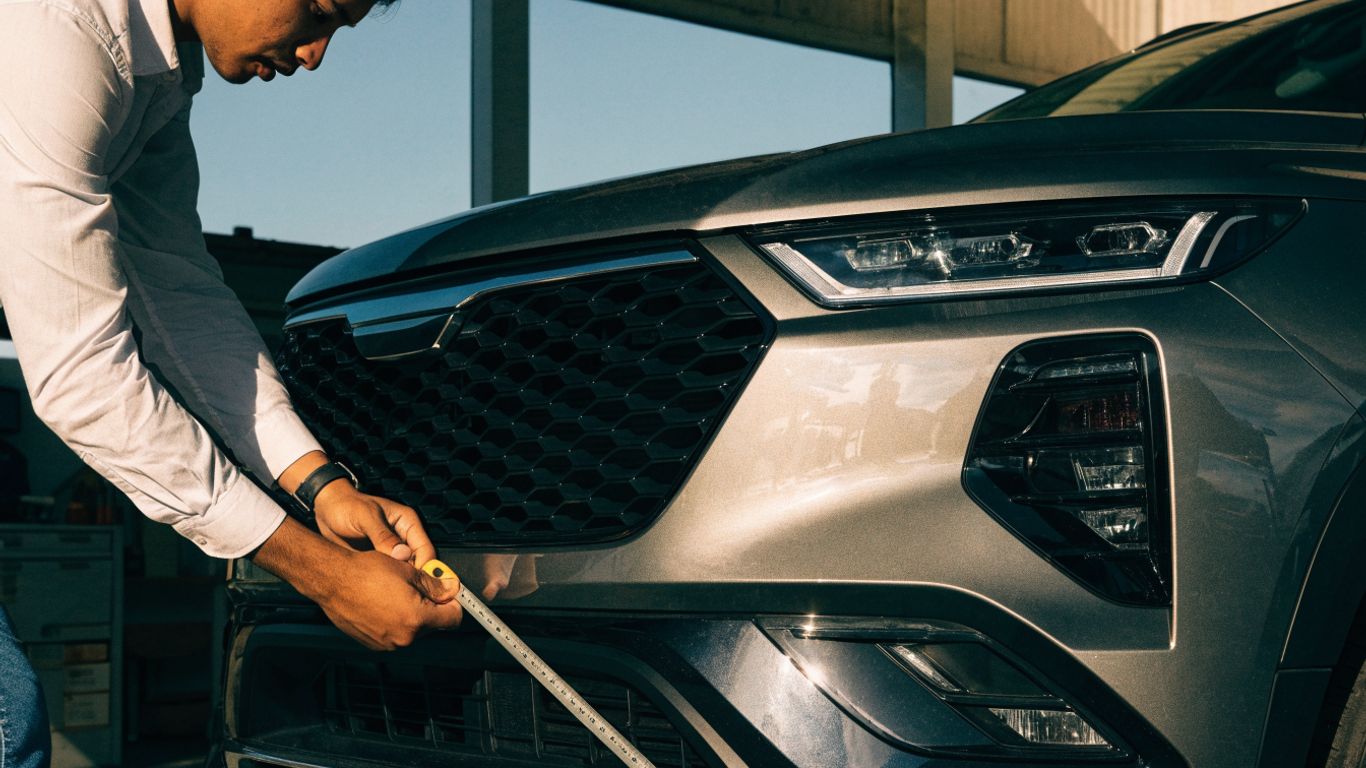
Confirm the model year, variant, and existing front-end equipment
Provide the model year and variant, and describe any non-standard front-end parts or prior modifications. Ask the supplier to confirm the bar is intended for that exact configuration, including any required brackets or fittings. If you are considering a custom option, confirm the vehicle details before proceeding; for example, custom Haval bullbars are described as made to order with fitment confirmed before ordering. Treat that as a reason to ask precise questions, not as confirmation that a particular bar suits your vehicle.
Ask how the bar accommodates parking sensors and cameras
List the sensors and cameras fitted to your H9 and ask how each one is accommodated by the proposed bar. The answer should explain whether the components remain in their original positions, need relocation, or require other changes. Ask who will check their operation after installation, and whether any limitations are expected. Do not assume a photo of a similar vehicle proves your equipment will work the same way.
Check compatibility with adaptive cruise control and other driver-assistance systems
If your vehicle has adaptive cruise control or other driver-assistance features, ask the supplier and installer to address those systems specifically. Confirm whether the bar can be fitted without affecting relevant components, and whether testing or calibration is required afterward. Keep any written compatibility information with the quote and installation paperwork. The final decision should be based on confirmation for your vehicle, not a general assurance about the model range.
Compare bull bar materials and designs
Material and shape affect the bar’s weight, appearance, and available mounting options. The names used in product descriptions do not tell the whole story, so compare specifications and ask how each design suits your intended use. Look closely at the fitment and accessory details as well as the finish. A simple comparison can help focus the conversation with suppliers.
Understand the practical differences between steel and alloy
Steel and alloy options can differ in weight, finish, price, and the particular designs available. Ask for the quoted bar’s actual weight and material specification rather than relying on broad descriptions such as “heavy duty” or “lightweight.” Your choice also needs to make sense alongside other accessories and the vehicle’s expected load. Material comparisons for other products, such as an acrylic tube, likewise work best when the actual specifications are clear rather than inferred from a label.
| Comparison point | What to ask | Why it matters |
|---|---|---|
| Material | What is the bar made from? | Helps you compare the stated specification |
| Weight | What is the complete bar’s weight? | Adds context to the vehicle’s overall setup |
| Finish | What finish is supplied and covered? | Clarifies appearance and warranty terms |
| Provisions | Which accessories can it accommodate? | Shows whether it suits your planned setup |
Use the answers to compare like with like. A table of specifications is only useful if the quoted product, included fittings, and finish are clearly identified.
Compare loop, profile, and bumper-replacement designs
Design affects more than appearance: it can influence the bar’s shape, coverage, and the space available for accessories. Compare product images with drawings or measurements where possible, and ask how the design affects vehicle clearances and front-end equipment. If you are also considering roof storage, keep that as a separate fitment decision; a 2015 Haval H9 roof-bar package is described for roof bars, not as evidence of bull bar compatibility. Measure and confirm each component for its own mounting points.
Look for suitable mounting points and accessory provisions
Check which mounting points and accessory provisions are included, and whether any equipment you want is compatible with them. Ask for the relevant specifications, including any limits the supplier provides, rather than assuming a bar can carry every accessory shown in a photograph. Think through where wiring will run and how the final setup will be serviced. This helps turn a design preference into a practical installation plan.
Understand Australian rules and vehicle requirements
Before buying, establish which rules and vehicle requirements apply to your circumstances. The answer may depend on the bar, the vehicle, where it will be driven, and how it is used. Do not rely on a general product description as proof of compliance. Ask for relevant documentation and check any uncertainties with the appropriate authority or a qualified professional.
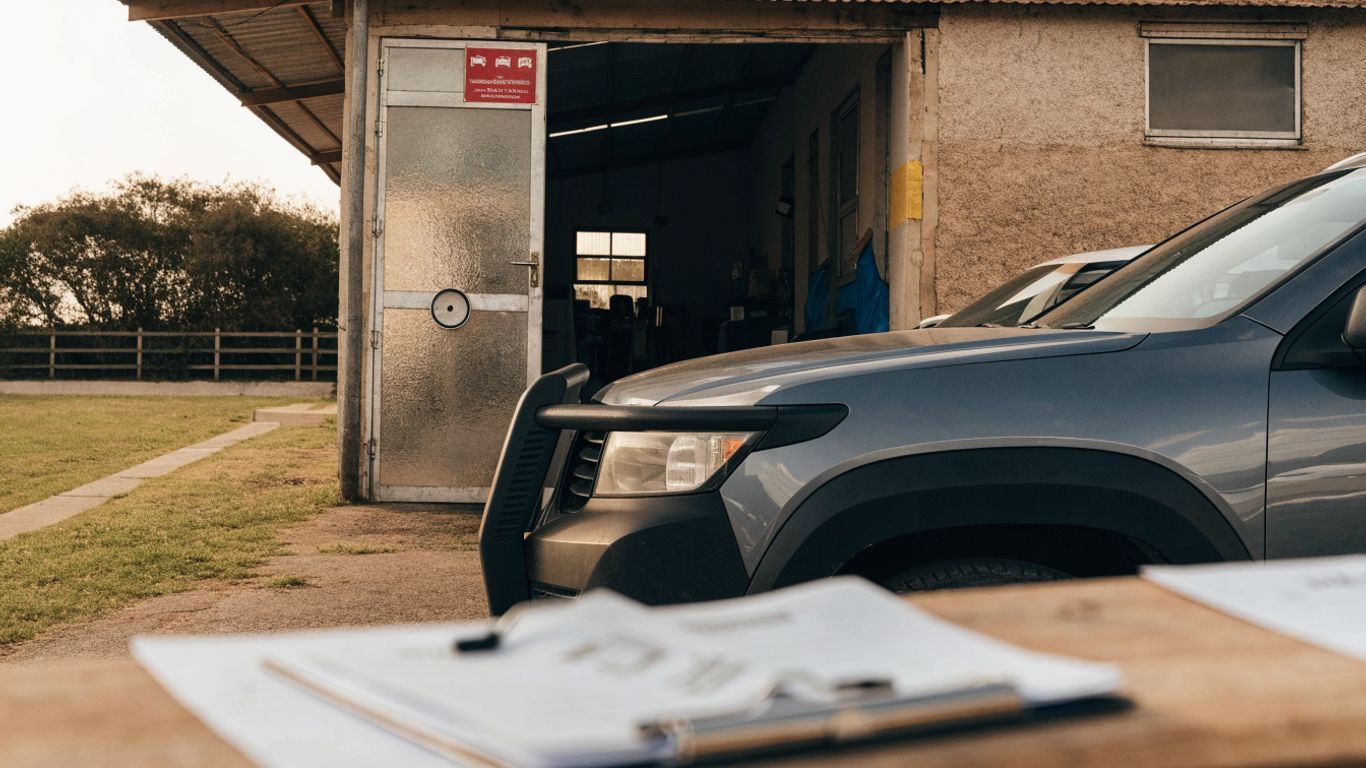
Check applicable Australian Design Rules and vehicle standards
Ask the supplier which Australian Design Rules or vehicle standards are relevant to the product and installation, and what documentation supports its claims. Confirm that the information relates to the exact bar and vehicle configuration you are considering. If requirements are unclear, seek guidance from the relevant authority or a qualified vehicle professional before purchase. Keep the documents with your vehicle records.
Verify state and territory requirements for your intended use
Requirements can vary with location and circumstances, so check the rules that apply in the state or territory where the vehicle will be registered and used. Explain your intended setup, including accessories, when seeking advice. A general answer about bull bars may not cover the details of your installation. Verify the position before work begins rather than assuming it can be sorted out afterward.
Ask how changes may affect registration, inspections, and insurance
Ask whether the planned modification calls for an inspection or other steps, and check with your insurer how the change should be disclosed. Keep records of the product, installation, and any advice you receive. These questions are part of assessing the purchase, not a formality to leave until the vehicle is already modified. If any requirement is uncertain, get clarification before proceeding.
Plan installation and post-fit checks
A suitable bar still needs to be installed correctly and checked as part of the complete vehicle setup. Get clear on who is doing the work, what is included, and whether any follow-up is needed. Ask questions before the booking so that wiring, sensors, and other vehicle systems are not overlooked. Keep the quote and installation details for future reference.
Choose an installer familiar with Haval H9 fitment
Ask about the installer’s experience with the H9 and the specific bar you plan to fit. Confirm whether the quote includes all required brackets, fasteners, and labour, and whether the installer will handle any wiring or system checks. A clear scope makes it easier to compare offers and to understand who is responsible for each part of the job. Do not assume that a bar’s advertised fitment includes installation.
Confirm whether wiring or sensor calibration is required
Discuss the vehicle’s existing sensors and electrical accessories before installation. Ask whether wiring changes or calibration are required, who will carry them out, and whether they are included in the price. If the supplier or installer cannot confirm what is needed, pause and seek a specific answer before booking. After the work, retain any records of checks or calibration performed.
Review clearance, fasteners, and vehicle-system operation after installation
Before accepting the vehicle, ask the installer to check clearances and confirm that the bar and its fasteners have been secured as specified. Make sure relevant cameras, sensors, lights, and driver-assistance systems have been checked where applicable. Take time to understand any maintenance or follow-up instructions. The post-fit review should leave you clear about what was installed and what still needs attention.
Compare quotes and assess the purchase
A low headline price may not describe the complete job. Compare the bar, fittings, labour, electrical work, and any checks or other services needed for your setup. Ask suppliers to put inclusions and exclusions in writing so the offers are easier to assess. The same habit of comparing scope and total cost is useful when reviewing a customs clearance service, though the details of that purchase are different.
Check what the quoted price includes
Ask for an itemised quote covering the bar, required fittings, installation, and any additional work identified for your vehicle. Confirm whether accessories, wiring, sensor work, or post-fit checks are included or priced separately. A practical comparison should account for the total cost of the setup you actually intend to buy. If a quote leaves key details open, request clarification before treating it as comparable.
When weighing design and comfort in a separate purchase, a sofa selection guide also points to the value of checking dimensions and delivery terms; here, focus on vehicle fitment and installation scope instead. For this purchase, write down the details that need to be consistent across quotes:
- Exact bar model and vehicle fitment
- Included brackets, fittings, and accessories
- Installation, wiring, and system checks
- Any additional charges or follow-up work
Once you have those details, compare the complete offers rather than the first number on the page. This makes differences in scope easier to spot and gives you a better basis for a decision.
Compare warranty coverage for the bar, finish, and installation
Ask whether the bar, its finish, and installation work have separate warranty terms. Check what the coverage includes, how long it applies, and what conditions or exclusions matter. Make sure you know whom to contact if a problem arises and what documentation you will need. Treat warranty terms as part of the purchase comparison rather than assuming they are identical across quotes.
Verify lead times, returns, and support for replacement parts
Confirm the expected lead time and ask what happens if the bar arrives damaged or does not match the confirmed fitment. Check the returns process, any relevant conditions, and whether replacement parts or support are available later. Keep the written response with your order documents. These details matter most when something changes, so it is worth sorting them out before payment.
If you are weighing other kinds of specialist purchases, the same basic discipline of asking about the provider and the process also appears in guidance on chiropractic clinics and lip fillers. Those topics are different; for a bull bar, keep your questions focused on fitment, installation, warranty, and support.
Conclusion
A well-chosen bull bar starts with a clear purpose and ends with confirmed fitment, a suitable installation, and an understanding of the requirements that apply to your vehicle. Compare complete specifications and quotes, ask direct questions about vehicle systems, and keep written records. Taking those steps before ordering can make the purchase more considered and the finished setup easier to assess.
Frequently Asked Questions
Does every bull bar fit every model year?
No. Fitment can depend on the vehicle’s year, variant, front-end equipment, and existing modifications. Confirm compatibility for the exact vehicle before ordering.
What should I consider before adding a bull bar?
Consider your driving plans, the bar’s weight and dimensions, the vehicle’s other loads, and any accessories you intend to fit. Weigh those practical factors against the reason for adding the bar.
Should I choose a steel or alloy bull bar?
Compare the actual specifications, including weight, finish, price, and accessory provisions. The right choice depends on your priorities and the complete setup, not on material alone.
Can a bull bar affect sensors or cameras?
It may require specific accommodation or changes, depending on the product and vehicle configuration. Ask how each existing sensor and camera will be handled and checked after installation.
Do I need to check local rules before fitting a bull bar?
Yes. Check the requirements that apply to your vehicle, location, and intended use before purchase or installation. Ask the relevant authority or a qualified professional if the answer is unclear.
What should a bull bar quote include?
Ask for the product, required fittings, labour, and any wiring, system checks, or other work to be listed. Written inclusions and exclusions make quotes easier to compare.
What should I check after installation?
Review clearances and the installation details, and ask for confirmation that relevant vehicle systems have been checked. Keep the paperwork and follow any maintenance or follow-up advice.