

Key Takeaways
A nudge bar can change the look of the front end and provide a mounting point for some accessories, but it is not a substitute for a bull bar or a guarantee of crash protection. A careful fitment check matters as much as the style.
- Confirm the vehicle’s model year, trim, and mounting requirements before ordering.
- Check how the bar may affect sensors, cameras, and other front-end accessories.
- Compare material, finish, weight, and included hardware rather than choosing by appearance alone.
- Follow local rules and ask qualified professionals about safety-system compatibility.
- Inspect the bar and its fasteners periodically, especially after an impact.
What a nudge bar does on a Haval Jolion
A nudge bar is a front-mounted accessory that can add a distinct look and, depending on its design, provide a place to mount selected accessories. Its purpose and construction differ from those of a bull bar, so it is worth being clear about what you expect it to do. Fitment and effects on the vehicle can vary by design and vehicle configuration. Think of it as an accessory to assess carefully, not a promise of protection.
How a nudge bar differs from a bull bar
Nudge bars are generally smaller, lighter-looking front accessories, while bull bars are typically larger assemblies intended for a different level of coverage. The names are sometimes used loosely in listings, so look at the product’s dimensions, mounting method, and stated purpose rather than relying on the label alone. Neither name, by itself, tells you how a particular bar will perform in a collision. Ask the seller or installer to explain the limits of the specific design.
Common reasons owners add one
Some owners like the more finished, rugged appearance a bar gives the front of an SUV. Others want a mounting provision for auxiliary lighting, where the product is designed to accommodate it and local rules allow it. A bar may also be considered as a modest accessory for everyday use, but its presence should not be treated as evidence that the vehicle is protected from all bumps or impacts. Start with your actual reason for wanting one, then check that the product is suitable for that purpose.
What level of protection to expect
A nudge bar should not be assumed to protect the vehicle in a crash or to replace the function of the original bumper and safety systems. The result depends on the bar’s construction, mounting, and interaction with the vehicle, and a product listing may not explain every detail. Realistic expectations matter: ask what the accessory is designed to do, what it is not designed to do, and whether its installation has been assessed for the exact vehicle. If you need a safety or crash-performance answer, seek information from the manufacturer or a qualified installer rather than inferring it from appearance.
How it can affect the vehicle’s appearance
A bar becomes a prominent feature, so its tube shape, finish, and position can change the visual balance of the front end. A slim polished design may look quite different from a darker, broader one, even if both are described as nudge bars. Compare images of the actual product fitted to a similar vehicle when possible, and check whether the bar obscures any trim or changes the view of the grille. Remember that product photos can make dimensions difficult to judge.
Check fitment before you buy
Fitment is more than a model-name match: model year, trim, front-end configuration, and mounting hardware may all matter. A listing that says it suits the vehicle is a useful starting point, but ask for confirmation against your exact setup before placing an order. Fitment information for vehicle-specific alloy bars can help you see what a detailed listing looks like, though you should still verify the product you intend to buy. A few minutes spent checking now can save a return or an installation problem later.
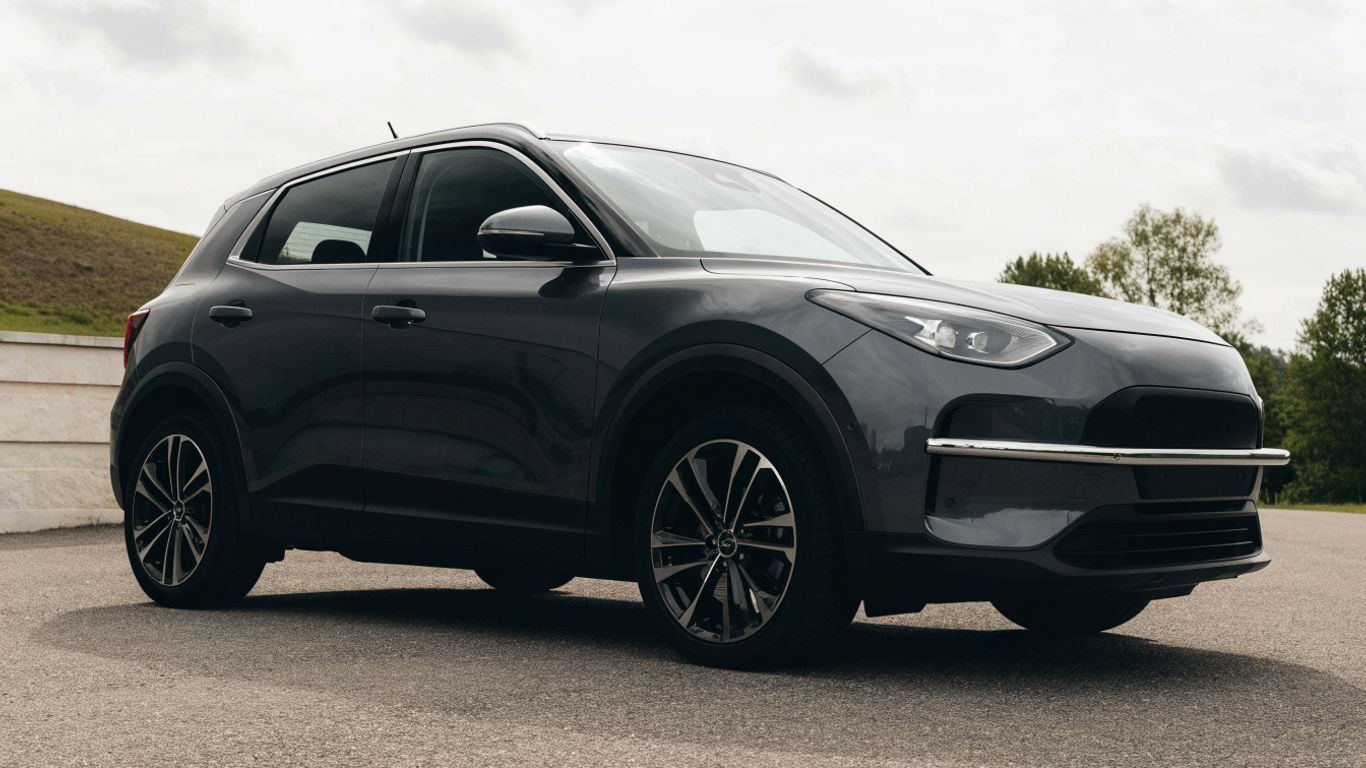
Confirm the Jolion model year and trim
Write down the model year and trim shown in your registration or vehicle documents, then give those details to the seller. Do not assume that two vehicles with the same model name have identical front-end parts. If your vehicle has a facelift, hybrid variant, or other distinct configuration, mention it when asking about compatibility. Get the answer in writing if the listing is not explicit.
Look for vehicle-specific mounting points
Ask whether the bar uses mounting points intended for the vehicle and whether the required brackets and fasteners are included. A product that appears to line up in a photo may still need different hardware for another configuration. Check whether fitting requires any alteration to the bumper or other components, and ask who can confirm that work is appropriate. Avoid relying on a generic fitment claim where the mounting details are unclear.
Check compatibility with sensors and cameras
Front sensors and cameras need clear operating space, and the bar’s position may affect their view or function. Ask the manufacturer or installer to confirm compatibility for your particular vehicle rather than guessing from a product image. If the answer is uncertain, seek professional advice before buying. After installation, check for warning messages and make sure the relevant features behave as expected.
Verify whether other front-end accessories affect fit
Existing accessories can change available space or interfere with mounting, including lights, number-plate fittings, and other bumper additions. Before ordering, describe any equipment already fitted and ask whether it needs to be removed or adjusted. A simple written checklist can keep the discussion specific:
- Note any existing lights or accessory brackets.
- Identify changes to the bumper or grille.
- Confirm number-plate position and visibility.
- Ask whether the bar’s mounting kit accounts for those items.
That information gives the seller or installer a clearer picture of your setup. If an accessory must be moved, include that work in your cost and installation plan rather than treating it as an afterthought.
Compare nudge bar materials and designs
Material and finish affect appearance, weight, upkeep, and how the bar may fare in its intended environment. Product descriptions do not always make comparisons easy, so look for specifics rather than broad labels such as “heavy duty” or “premium.” The table below is a general comparison, not a claim about any particular product; actual construction and care instructions vary. Use it to frame questions for the seller.
Stainless steel and other material options
Stainless steel and aluminum are common choices in accessory listings, though grades, construction, and finishes differ. A coating or polished surface can also change how a bar looks and what care it needs. Compare the manufacturer’s description and maintenance instructions rather than assuming that a material name alone determines durability. The best choice depends on the vehicle, intended use, climate, and personal preference.
| Option | What to compare | Useful question |
|---|---|---|
| Stainless steel | Grade, finish, and cleaning guidance | What routine care does the manufacturer recommend? |
| Aluminum | Construction, surface treatment, and weight | Is the finish suited to my usual conditions? |
| Coated metal | Coating type and repair guidance | How should chips or scratches be treated? |
These categories are broad, and products within each can differ. Ask for the exact material and finish details, then consider whether the recommended care fits your routine. A clear answer is more useful than a confident-sounding material label.
Tube shape, finish, and appearance
Tube diameter, bends, and the shape of the crosspiece all influence the overall look. A polished finish can stand out, while a darker finish may blend more closely with other trim. Check close-up photographs as well as full-vehicle images, because small differences in joins and brackets are easy to miss from a distance. If appearance is a major reason for buying, ask whether the pictured finish is the one supplied.
Integrated light mounts and accessory provisions
Some designs include tabs or provisions for auxiliary lights; others do not. Confirm whether any pictured lights are included or are shown only as an example, and check the bar’s stated accessory limits. If you plan to add lights later, verify the mounting position, wiring route, and local requirements before choosing a design. A provision is not the same thing as a complete lighting installation.
Weight, corrosion resistance, and upkeep
Weight can matter to the vehicle and to the fitting process, so request the product specification when it is available. Corrosion resistance depends on material, finish, exposure, and ongoing care; no label removes the need to inspect the surface. Ask how to clean the bar and what to do if the finish is damaged. A design that is straightforward to maintain may be a better match for your routine than one chosen on looks alone.
Consider safety and local requirements
A front-mounted accessory can raise questions beyond fit and appearance, especially where road rules and vehicle safety systems are involved. Requirements vary by location, and the right answer may depend on the accessory’s dimensions and installation. Treat the points below as prompts for checking, not as a substitute for local guidance. Before buying, get answers from the product supplier, installer, and relevant local authority where needed.
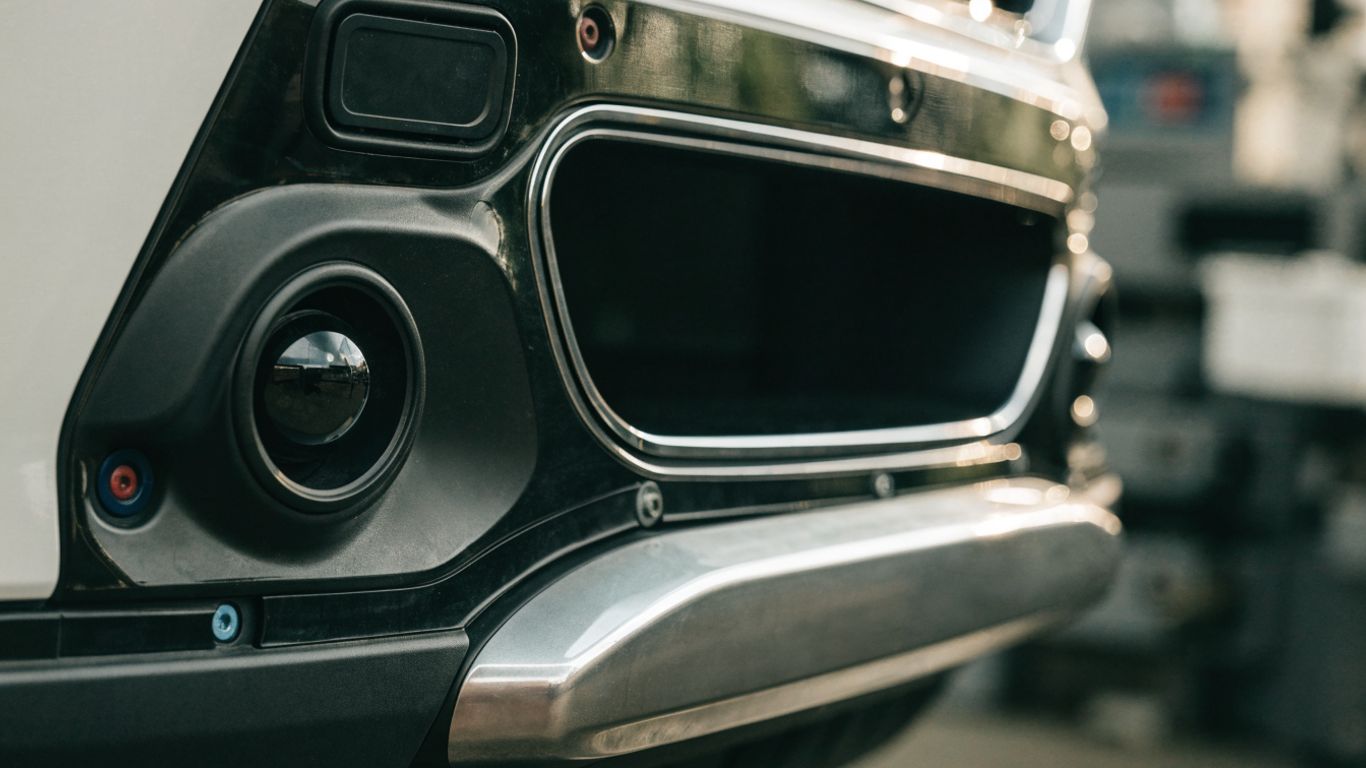
Check local rules for front-mounted accessories
Rules for vehicle accessories can differ between jurisdictions and may cover dimensions, projections, visibility, lighting, or other details. Check the rules that apply where the vehicle is registered and driven before ordering. Do not assume that a product sold online is automatically suitable for every location. If the guidance is unclear, contact the relevant authority or a qualified vehicle professional.
Ask how the bar interacts with airbags and crash structures
Ask whether the bar and its mounting method have been assessed for the vehicle and how the installation relates to its original crash structures and airbag systems. Do not infer compatibility from a general product description or from the fact that a bracket can be fitted. Request manufacturer documentation where available, and consult a qualified installer if the answer is not clear. A seller should be able to explain the limits of what they know.
Consider parking sensors and driver-assistance features
A bar can sit near sensors or cameras, so check that the intended position will not obstruct them. Ask whether any checks or recalibration may be required after fitting, and who is qualified to carry them out. A dashboard warning, unexpected sensor response, or obstructed camera view should be addressed promptly. Do not rely on a visual inspection alone to confirm that every feature is working normally.
Confirm whether installation affects your warranty or insurance
Warranty and insurance terms depend on the relevant provider and policy. Ask your vehicle dealer or warranty provider whether a proposed accessory or installation has any implications, and check with your insurer if the vehicle’s configuration changes. Keep receipts and installation records with your vehicle documents. Getting confirmation before the work is done is simpler than trying to resolve uncertainty afterward.
Plan the installation
An installation plan helps avoid surprises about hardware, labor, and system checks. Decide who will fit the bar before ordering, since the installer may want to inspect the product details or confirm the mounting method. Keep the instructions and supplied parts together, and allow time for checks after fitting. Even a straightforward-looking accessory deserves a careful final inspection.
Choose professional fitting or a suitable DIY approach
Professional fitting may be the sensible choice if the instructions are unclear, the job involves vehicle systems, or you do not have suitable tools and experience. A DIY installation should only be considered when the manufacturer’s instructions are complete and you can follow them safely. Before deciding, compare the task with your skills and the consequences of an incorrect fit. Do not improvise around mounting points or fasteners.
Check what mounting hardware is included
Confirm the contents of the box before installation, including brackets, fasteners, and any specific tools or instructions. Ask whether the product requires additional parts that are not included in the price. The fitter should be able to identify missing or incorrect hardware before work begins. Using substitutes without approval can create uncertainty about fit and security.
Allow for sensor checks and any required recalibration
After fitting, allow time to inspect sensors, cameras, and any related warning indicators. The installer can advise whether the vehicle requires additional checks or recalibration for its equipment. A short test of relevant features can identify an issue while the installation is still fresh. This is also a good time to review the bar’s position and the visible clearances.
A video can help you understand the general stages of an installation, but it cannot confirm that a different vehicle or product uses the same method. Use the manufacturer’s instructions for the exact bar and let a qualified person handle any step outside your experience.
Inspect clearances around the grille and bumper
Before accepting the finished installation, look for even gaps and check that the bar does not touch the grille, bumper, or other nearby parts. Confirm that the number plate, lights, and sensors remain unobstructed. If anything appears misaligned or is making contact, ask the installer to correct it before driving. A neat appearance should go hand in hand with proper clearance.
Choose a Haval Jolion nudge bar that suits your needs
The right choice depends on fit, intended use, appearance, and the care you are willing to provide. Compare the exact product details rather than choosing by a headline or a low price alone. Online research can also surface material that has nothing to do with vehicle accessories, so keep fitment evidence separate from pages about GrowthBarSEO, the Roof Flow AI Team, a Brand Building Package, Biblical life coaching, or biofuel fireplace reviews. Those links are unrelated to choosing a bar and should not be treated as fitment guidance.
Compare vehicle-specific product listings
Look for listings that identify the vehicle configuration, show the mounting approach, and explain what is included. A listing with clear photographs and dimensions is easier to assess than one relying on broad claims. Ask the seller to confirm suitability for your model year and trim before paying. If important details are missing, request them rather than filling gaps with assumptions.
Review materials, finish, and included hardware
Compare the stated material, surface finish, and maintenance guidance alongside the included brackets and fasteners. Check whether accessories shown in photographs are part of the package or sold separately. Keep the answers in writing so you can refer to them if the delivered product differs from what you expected. The clearest listing is not necessarily the one with the most elaborate description; it is the one that answers the practical questions.
Check the warranty and return policy
Read the warranty terms and return conditions before purchase, including any requirements around professional installation or packaging. Confirm what happens if the bar arrives with missing parts or does not match the agreed fitment. Ask how returns are handled for an item that has been test-fitted, since policies may differ. Save the listing and your seller correspondence until the product is installed and checked.
Balance cost, intended use, and maintenance needs
Set a budget that includes installation and any additional work, not just the purchase price. Then weigh the product’s intended use against its material, finish, fitment evidence, and ongoing care. A lower price may not be a saving if key details are uncertain or extra hardware is needed. Choose the option that answers your requirements without promising more than the accessory is designed to deliver.
Maintain the nudge bar over time
Regular checks help you notice surface changes, loose fasteners, or altered clearances before they become bigger concerns. Follow the manufacturer’s cleaning instructions, especially if the bar has a coated or polished finish. Inspection is also worthwhile after an impact or any work near the front of the vehicle. If you find damage or movement, have the installation assessed rather than simply tightening parts without guidance.
Clean the bar and check for corrosion
Use cleaning products and methods suitable for the bar’s material and finish. Rinse away dirt and road residue, then look closely at joins, edges, and areas where moisture may collect. If you spot corrosion, a damaged coating, or a persistent mark, consult the manufacturer’s care advice before treating it. Regular gentle cleaning makes it easier to notice changes over time.
Inspect mounting points and fasteners
Check the visible mounting areas for signs of movement, damage, or loose hardware. Follow the product instructions for any inspection interval or tightening procedure, and do not guess at torque settings. If a fastener is missing or a bracket looks distorted, stop and have the bar checked by a qualified person. A secure-looking exterior does not always reveal the condition of every mounting point.
Look for changes in alignment or clearance
Compare the bar’s position with the surrounding grille and bumper, and watch for new contact marks or uneven gaps. A shift may follow an impact, loose hardware, or other work on the front end. If alignment changes, avoid forcing the bar back into position yourself. Have the cause assessed so that related components and mounting points can be checked too.
Recheck sensors and lights after an impact
After any impact, check the bar, nearby bodywork, lights, sensors, and cameras for visible damage or changed operation. Warning messages or unusual sensor behavior deserve prompt attention from a qualified technician. A light that still turns on may nevertheless be misaligned, so inspect its position as well as its function. Do not assume that an accessory is unaffected just because the vehicle remains drivable.
Conclusion
A good nudge bar purchase starts with confirmed fitment and ends with a careful installation and ongoing inspection. Compare the details that matter for your vehicle, ask direct questions about safety systems and local requirements, and choose a design whose upkeep and intended use suit your needs. When important information is uncertain, pause and get a qualified answer before ordering.
Frequently Asked Questions
What is a nudge bar used for?
A nudge bar is a front-mounted vehicle accessory chosen for appearance or for accessory provisions on designs that support them. Its purpose depends on the product, so check the manufacturer’s description and do not assume it provides crash protection.
Is a nudge bar the same as a bull bar?
No. The terms are often used for different types and sizes of front-mounted equipment, but product descriptions can vary. Compare the actual design, dimensions, mounting, and stated purpose rather than relying on the name alone.
How can I check whether a nudge bar will fit?
Confirm the vehicle’s model year and trim, then ask the seller or manufacturer to verify the product’s mounting method and included hardware for that exact configuration. Also disclose any existing front-end accessories.
Can a nudge bar affect parking sensors or cameras?
It may, depending on its position and design. Ask for vehicle-specific compatibility information and check relevant systems after installation; seek professional advice if sensors or cameras behave unexpectedly.
What should I compare when choosing a nudge bar?
Compare fitment details, material, finish, weight, accessory provisions, supplied hardware, maintenance instructions, warranty, and return terms. Consider installation costs as part of the total price.
Do I need professional installation?
That depends on the product instructions, the vehicle, and your tools and experience. If the mounting method or interaction with vehicle systems is unclear, professional fitting is the safer course.
How should I maintain a nudge bar?
Follow the manufacturer’s cleaning advice and periodically inspect the finish, mounting points, fasteners, alignment, and clearances. After an impact, have any damage or change in sensor behavior checked promptly.