

Key Takeaways
A good roof rack starts with the exact H6 model and roof configuration, not a guess based on appearance. Check fitment, load limits, and the gear you plan to carry before buying.
- Confirm your model year, series, and roof type.
- Match the rack to the vehicle’s rails or mounting points.
- Keep the combined load within the vehicle’s roof rating.
- Choose bars and attachments around the gear you actually carry.
- Check installation, warranty, and local support before ordering.
Check compatibility with your Haval H6
Choosing Haval H6 roof racks in Melbourne begins with details that can be easy to overlook: model year, series, and roof configuration. Similar-looking vehicles may call for different fittings, so a general “fits H6” label is not enough on its own. Treat the vehicle manual and the rack maker’s fitment information as the final reference points.
Identify your model year and roof type
Start with the build or model year and check whether the vehicle has raised rails, open rails, fixed mounting points, or another roof arrangement. Listings can use different year ranges, and a vehicle built during a changeover year may need closer checking. The Car Roof Rack listing, for example, describes fitment for the Haval H6 B01 Series from 2021 to 2026 and advises buyers to confirm the series for 2021 vehicles.
The ranges below are examples from product listings, not a universal fitment chart. Use them to narrow your search, then confirm the exact vehicle and rack combination before ordering.
| Listing example | Published fitment range | Detail to verify |
|---|---|---|
| Sports Concealed Roof Rack | July 2016 to May 2021 | Open-rail mounting style |
| Car Roof Rack | Haval H6 B01 Series, 2021–2026 | Confirm the series, especially for 2021 |
| Prorack Standard Bar Package | 2016 Haval H6 | Raised rails and the specified fitting kit |
These distinctions are useful when searching, but they do not replace a compatibility check for your particular vehicle. If the listing does not clearly identify the roof type or series, ask the seller to confirm it before purchase.
Match the rack to factory rails or mounting points
Look closely at how the rack attaches. A system designed to clamp onto raised rails may not fit a roof with a different rail style or concealed mounting points, even if the vehicle name and year appear to match. The Sports Concealed Roof Rack listing specifies open rails, while the Prorack Standard Bar Package is described as clamping onto raised roof rails and includes a K328 fitting kit.
Take a clear look at the roof and compare it with the fitting instructions rather than relying on a product photo alone. When in doubt, share the exact model details and a description or photo of the roof with the retailer; that small check can prevent an avoidable return.
Confirm fitment with the vehicle and rack manufacturer
Before checkout, compare the rack’s application guide with the vehicle manual and ask the seller to resolve any mismatch between them. Fitment details should identify your model year and roof arrangement, not simply the H6 name. A confirmed fit beats a close-looking match when the rack depends on a specific foot or fitting kit.
Keep the product listing and installation instructions available after purchase, too. They can help you check that the supplied components match the order and that each mounting point is being used as intended.
Compare roof rack styles
Once fitment is clear, choose a rack style that suits the way you use the vehicle. Crossbars are a straightforward base for many separate attachments, while a platform provides a broader surface for arranging certain loads. Neither option is automatically best; the useful choice is the one that works with your gear and your normal parking and driving routine.
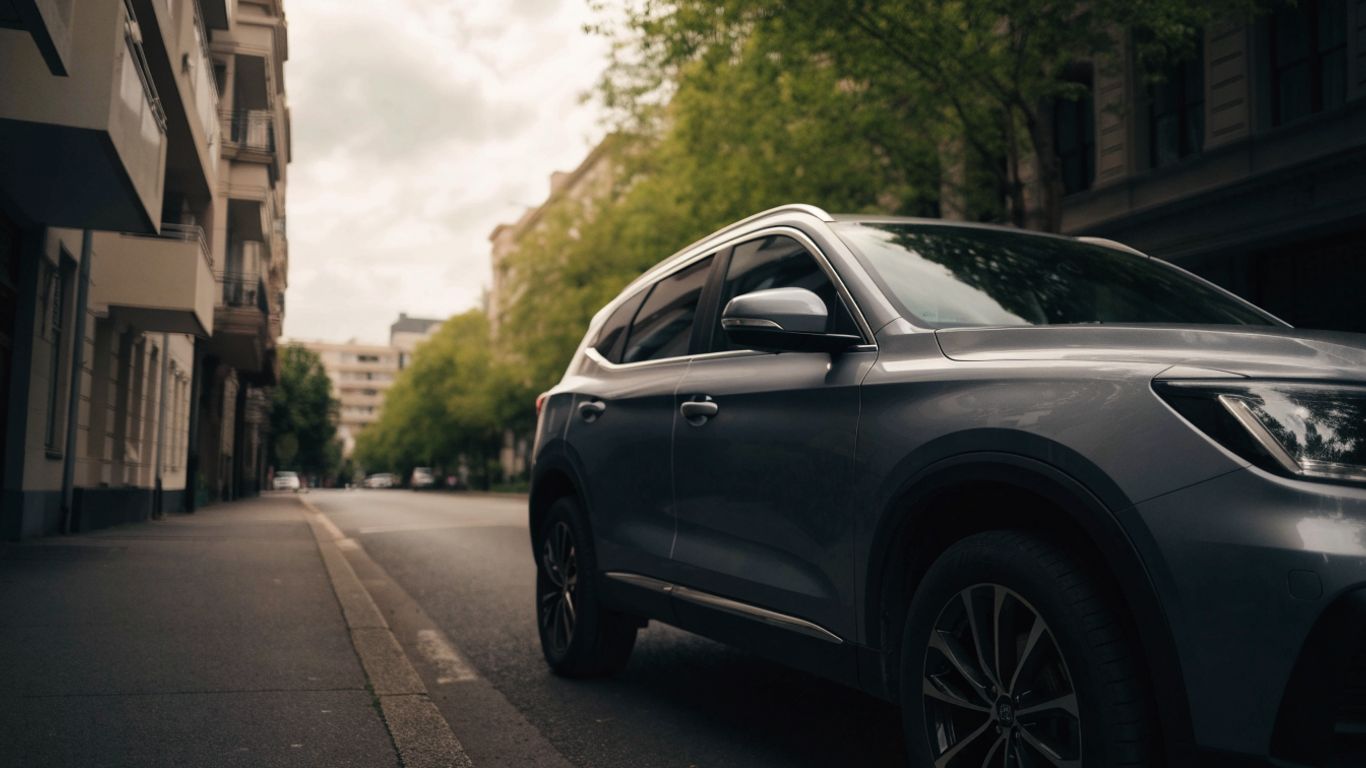
Choose between crossbars and platform racks
Crossbars offer a pair of rails across the roof and can support compatible carriers or other attachments. A platform gives you a more continuous area for arranging equipment, but it can add cost, weight, and bulk. Check the attachment system and the vehicle’s roof limits before choosing either style.
Think about what needs to come on and off the vehicle, and how often. A simple bar setup may be easier to live with if you carry one type of equipment occasionally; a platform may make sense when your loads vary and the selected accessories are compatible.
Consider bar shape, material, and finish
Bar profile and material affect practical details such as how an attachment fits, how much room is available, and how the rack holds up to regular use. Product descriptions may also specify finish and dimensions, but those details matter only alongside verified vehicle fitment. The Prorack Standard Bar Package is listed as an aluminum package with silver 120 cm through bars and a corrosion-resistant finish.
Compare the bar dimensions and attachment channel with the accessories you intend to use. If a carrier needs a particular fitting method, confirm it works with the exact bar rather than assuming all bars share the same interface.
Balance versatility with everyday convenience
A versatile setup can carry more kinds of equipment, but extra components may take more time to remove and store. Consider garage clearance, car-wash guidance, and whether the rack will stay on the H6 year-round. A lower-profile arrangement may be easier for everyday use, while a larger system can make sense when it serves a regular need.
A short video can help you understand the broad differences between rack layouts, but use the vehicle and product instructions for the final fitment and installation details.
Choose the simplest arrangement that covers your real trips. Unused attachments add clutter and can make a roof setup less convenient without improving what you can carry.
Understand load limits and safety
A rack’s published capacity is only one part of the load calculation. The vehicle roof, rack, fittings, and accessories all have limits, and the lowest applicable rating governs. Follow the vehicle manual and the rack instructions, and do not assume that a product’s maximum rating overrides the vehicle’s own limit.
Check the roof’s maximum load rating
Find the roof-load guidance in the H6 owner’s manual and note whether it distinguishes between static and dynamic loads. For driving, the dynamic limit is the relevant figure; a number quoted for a stationary vehicle should not be treated as a safe driving capacity. If the manual or rack instructions are unclear, ask the vehicle manufacturer or an appropriately qualified installer to clarify the correct limit.
Do not infer a capacity from a rack’s appearance or from another H6 listing. Even within a model range, the rack and attachment combination needs to be checked against the specific vehicle instructions.
Account for the rack’s weight and accessories
The total load includes the rack itself, its fittings, any carriers or boxes, and the cargo. Add those weights before packing; otherwise, the remaining capacity can be easy to overestimate. As one listing-specific example, the Prorack Standard Bar Package states a 75 kg load rating, which still needs to be considered alongside the vehicle’s roof rating and the weight of everything fitted.
Write down the weights of the main components before loading, especially if several accessories will be used together. Stay within every relevant limit rather than treating a single figure as permission to load the roof to that amount.
Secure cargo and check clearances before driving
A careful loading routine helps avoid loose items, obstructed access, and surprises once the vehicle is moving. Check each attachment according to its instructions and make sure cargo cannot slide or lift. Before setting off, use a simple sequence:
- Check that each fastener is tightened as instructed.
- Secure loose ends and small items so they cannot shift.
- Confirm the load does not block lights, doors, or the driver’s view.
- Check height clearance for garages and other overhead obstacles.
Recheck the load after a short drive and at stops, particularly on a longer journey. Follow the rack maker’s guidance on speed and use, and adjust your driving for the changed height and handling of a loaded vehicle.
Choose a setup for your gear
Start with the item you need to carry, then find an attachment designed for that job and compatible with your bars or platform. A bike carrier, kayak support, ski attachment, cargo box, and basket each hold equipment differently. Matching the attachment to the load helps keep the setup practical and makes it easier to follow the relevant fitting instructions.
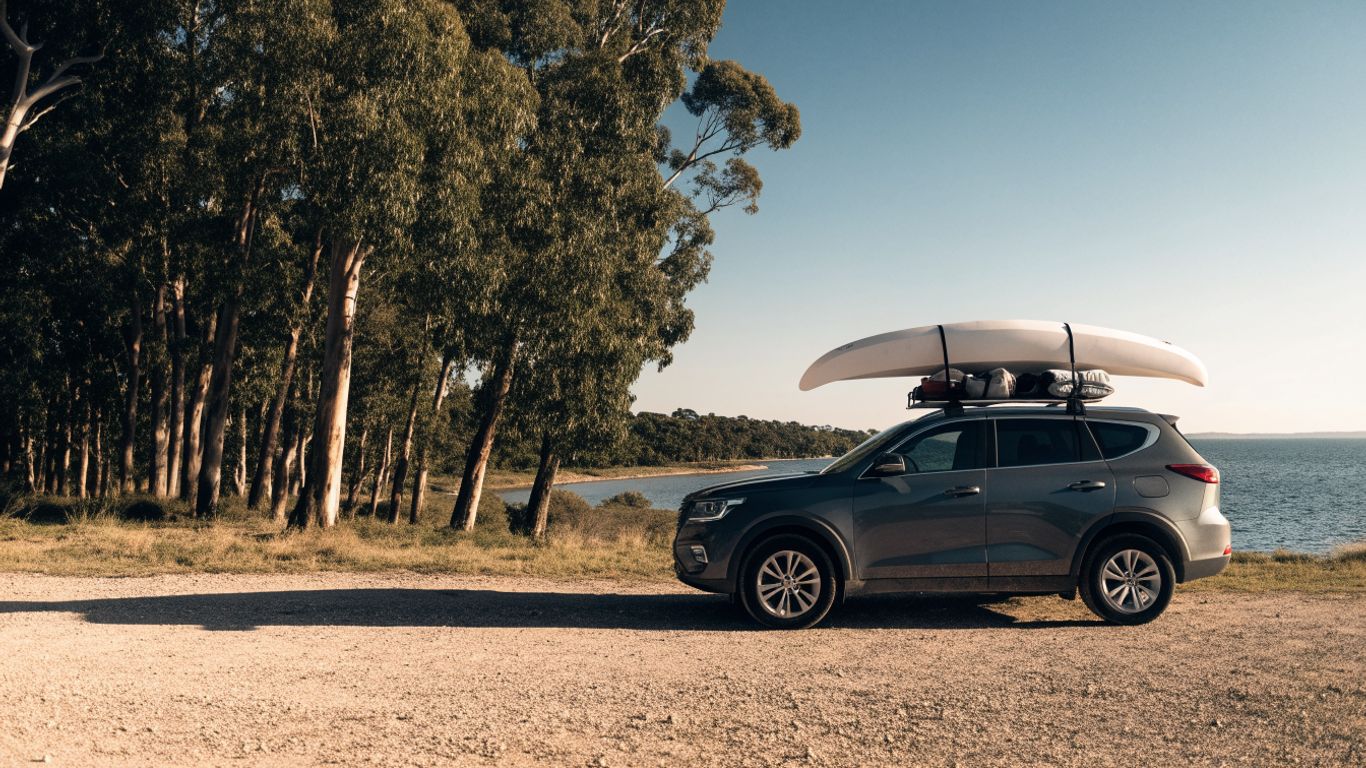
Carry bikes, kayaks, or skis with compatible attachments
Choose a carrier built for the gear’s shape and weight, then check how it connects to the rack. For bicycles, verify the carrier’s method of holding the bike and whether it fits the selected bars. A listing for genuine Haval H6 accessories includes a bike carrier and notes that roof rack crossbars are required at additional cost; it also advises checking compatibility and fitted pricing with a dealer.
Kayaks and skis need their own suitable supports, and the equipment should be restrained as directed by the attachment maker. Check that the full combination fits within the roof rating and does not interfere with access to the vehicle.
Select a cargo box or basket for extra storage
A cargo box can keep bags enclosed, while an open basket can suit some bulky items that do not need a covered compartment. Compare the attachment’s dimensions, opening direction, mounting method, and load guidance with the rack you have chosen. Consider where the box will open in relation to the doors and how you will reach it safely.
The right choice depends on what you pack and how often you need to get to it. A large box may be useful for a longer trip, but a smaller option can be easier to store and handle when it is off the vehicle.
Check how accessories affect access and wind resistance
Accessories change the height and shape of the vehicle, and may affect wind noise and fuel use. A box or tall load can also make a garage or parking structure inaccessible, so check clearance before driving in. Keep the cargo arranged to avoid blocking doors or visibility, and follow the attachment instructions for loading and travel.
Try the arrangement at home before departure: open the relevant doors, check access to the cargo, and make sure the packed items can be secured without improvising. If you need to reposition or add accessories, repeat the load calculation.
Buy and fit roof racks in Melbourne
In Melbourne, buyers can compare online listings, specialist rack retailers, and vehicle accessory outlets. Availability, delivery, and fitting arrangements vary, so check what is included in the price and what needs to be purchased separately. Look for exact fitment information and a clear way to ask questions before placing an order.
Compare online, specialty, and vehicle accessory retailers
Online listings can make it easier to compare specifications, while a specialty retailer may be able to discuss roof styles and fitting options. A vehicle accessory retailer or dealer can be useful when you want to ask about a vehicle-specific item. For example, genuine Haval H6 accessories are listed with advice to check pricing and compatibility with a dealer.
Search results can also mix products with vehicle listings or unrelated local services. A black 2002 GWM Haval H6 listing, for instance, is a vehicle-search page rather than evidence of a rack’s fitment; focus on product specifications and fitment support when comparing racks.
Ask about professional installation and fitment checks
If you are unsure about the mounting points or fitting kit, ask whether installation is available and what it covers. Confirm that the installer will check the rack against your model year and roof type, and ask whether you will receive fitting instructions afterward. Do not assume installation is included simply because it is offered by the retailer.
A retailer’s specialist knowledge should match the question you have. Local services can range from hardwood floor finishes to Attic Fanatics, Karma Hill Photography, a Maui wedding package, and Grinding Dynamics; for a roof rack, keep the conversation focused on vehicle-specific fitment, installation, and load limits.
Confirm warranty coverage, delivery, and local support
Before ordering, ask what the warranty covers, whether it applies to the rack and fitting components, and how a claim is handled. Check delivery timing, collection arrangements, and the process for resolving a fitment issue. If you expect to collect in person, confirm stock and collection details before making the trip.
Keep the invoice, product details, and installation instructions together. Having those records to hand makes it easier to ask the seller a precise question later.
Maintain your roof rack
Regular checks help you spot loosened fittings or wear before the next trip. Follow the rack maker’s maintenance instructions, since materials and mounting systems differ. A few minutes of inspection is especially worthwhile after carrying a heavy or unusual load.
Inspect fasteners and mounting points regularly
Check fasteners and mounting points at the intervals recommended by the rack manufacturer, and inspect them again after installation or adjustment. Look for movement, looseness, or damage, and tighten components only as directed. If anything appears cracked, bent, or incorrectly seated, stop using the rack until the issue has been assessed.
Include the attachment hardware in the check, not just the feet and bars. A secure base does not guarantee that a carrier or accessory is properly fitted.
Clean the bars and check for wear or corrosion
Clean the bars and fittings as instructed, removing dirt that could hide damage or interfere with a connection. Examine contact points and exposed surfaces for wear, corrosion, or other changes. If you notice damage, consult the product guidance or seller rather than assuming it is only cosmetic.
After cleaning, make sure the components are dry where the manufacturer recommends it and reassemble them as instructed. A clean rack is easier to inspect before the next use.
Remove the rack when it is not needed
If the rack is removable and you do not need it for a while, taking it off can reduce the amount of equipment left exposed to the elements and free up overhead clearance. Follow the removal instructions and store the parts together so the fittings are easy to find when you need them again. Check the roof and mounting areas after removal, too.
Whether to leave a rack fitted depends on its design and your routine. Use the manufacturer’s guidance, and reinstall it carefully rather than relying on a quick visual check alone.
Conclusion
The right Haval H6 roof rack is the one that fits your exact vehicle, stays within the applicable load limits, and makes carrying your regular gear straightforward. Confirm the details before buying, then follow the fitting and maintenance instructions so the setup is ready for the journeys that matter to you.
Frequently Asked Questions
How do I know which roof rack fits my Haval H6?
Check the model year, series, and roof type, then compare them with the rack maker’s fitment guide. Ask the seller to confirm if any detail is uncertain.
Do all Haval H6 model years use the same roof rack?
No. Listings can specify different year ranges and mounting styles, so check the precise vehicle and rack combination instead of relying on the model name alone.
What is the difference between crossbars and a platform rack?
Crossbars provide a base for compatible attachments, while a platform offers a broader surface for arranging some loads. Consider your gear, accessories, and everyday needs before choosing.
How much weight can I carry on a roof rack?
Use the vehicle’s roof-load guidance and the limits provided for the rack and accessories. Include the rack and attachment weights, and stay within the lowest applicable limit.
Can I leave a roof rack on my vehicle all the time?
That depends on the rack and your routine. Follow the manufacturer’s advice, and consider removal when the rack is not needed or when extra overhead clearance matters.
Can I install a roof rack myself?
Some products provide DIY installation instructions, but the method depends on the rack and vehicle. If you are unsure about fitment or mounting, ask a qualified installer or the seller for guidance.
What should I check before driving with roof cargo?
Confirm the rack and attachments are secured, cargo cannot shift, visibility is clear, and the vehicle will fit under any overhead obstacles. Recheck the load after a short drive and at stops.