

Key Takeaways
The right upgrade is the one that fits your vehicle, your driving, and your budget—not simply the one with the boldest claims. A little research before ordering can save time and help protect reliability.
- Start with a clear use case and rank what matters most.
- Check exact vehicle fitment and account for supporting parts.
- Compare construction, evidence, maintenance, and warranty terms.
- Plan installation and any required tuning or calibration.
- Confirm local rules and track the work done to your vehicle.
Define your goals before upgrading
Aftermarket Accessories & Performance covers a wide range, from parts that change how a vehicle drives to accessories that make it more useful or distinctive. Before browsing, think about how you use the vehicle now and what you wish it did better. A clear goal helps separate upgrades that solve a real problem from ones that merely sound appealing. It also makes it easier to judge cost and trade-offs.
Match upgrades to daily driving, track use, or off-road needs
A commuter car, a track-day build, and an off-road vehicle face different demands. Daily drivers often benefit most from changes that preserve comfort and predictable operation, while track use can bring greater heat and stress to tires, brakes, and other components. Rough terrain adds its own concerns, including ground clearance, exposure, and practical recovery needs. Choose for the conditions you actually encounter, rather than an imagined best-case use.
Set priorities for performance, comfort, appearance, and utility
Upgrades rarely improve every quality at once. A firmer suspension setup may sharpen response but make a rough commute less pleasant; a larger exterior accessory may add function while changing visibility or vehicle dimensions. Write down your top priorities and decide which compromises you can live with. A defined priority order makes comparisons more useful because you can evaluate each part against the same needs.
Establish a realistic budget for parts and supporting modifications
The part’s listed price is only one piece of the total. Installation, shipping, alignment, tuning, and related hardware can all affect the final spend, and some changes bring recurring maintenance costs. A simple estimate can help show where the money goes before you commit.
| Cost area | Questions to ask | Why it matters |
|---|---|---|
| Part | What is included in the box? | Missing hardware may add cost |
| Installation | Is specialist labor needed? | Labor can change the total substantially |
| Supporting work | Are tuning or alignment required? | Related changes may be necessary |
| Upkeep | Does the part need inspection or service? | Maintenance continues after purchase |
Use the estimate to compare complete setups, not just sticker prices. If the numbers do not fit, it is usually better to postpone an upgrade than to skip a necessary supporting step.
Explore popular aftermarket upgrade categories
Aftermarket parts generally fall into a few broad groups: powertrain changes, handling and braking, and accessories for utility or appearance. The best starting point depends on the goal you set earlier and on the vehicle’s current condition. For example, improving control may matter more than adding power if the existing tires or brakes are already due for attention. Consider each category as part of a complete vehicle, not as an isolated shopping list.

Improve power with intake, exhaust, and engine components
Intake, exhaust, and engine components can alter airflow, sound, response, or output, depending on the specific design and vehicle. Claims should be tied to evidence for the exact application, rather than assumptions based on a part’s name or appearance. Some changes may also call for tuning or additional supporting components. If the purpose is a measurable performance gain, look for credible test details and make sure the conditions match your vehicle and intended use.
Refine handling with suspension, tires, and brake upgrades
Tires, suspension, and brakes work together to shape how a vehicle responds and stops. A change to one area can affect the others, so it helps to begin with the behavior you want to improve: ride control, traction, braking feel, or a particular use case. Before choosing parts, consider the condition of the existing components and whether the new setup will remain suitable for ordinary driving. The goal is a balanced vehicle, not simply the most aggressive specification.
Add utility and style with lighting, storage, and exterior accessories
Accessories can address practical needs, such as carrying equipment or improving access, as well as personal style. Check how an item affects clearance, visibility, access to service points, and the vehicle’s dimensions. Lighting deserves particular care: fitment and legal use matter as much as appearance. A dealership-focused accessories planning guide offers a business perspective on tailoring options to local buyers, while an individual owner can apply the same basic idea by choosing accessories that suit real use.
For a visual overview of common upgrade categories and the way they can interact, this video search is a useful starting point; verify any advice against your vehicle and local requirements.
Check fitment and vehicle compatibility
A part that appears close to the right size or configuration may still be wrong for a particular vehicle. Model-year changes, trim packages, engine variations, and factory options can affect fitment. Confirming those details before purchase is less exciting than comparing performance claims, but it can prevent avoidable returns and installation problems. When in doubt, verify the application with the part maker or a qualified installer.
Confirm year, make, model, trim, and engine specifications
Start with the complete vehicle description, including year, make, model, trim, and engine. Depending on the part, additional details such as drivetrain, body style, production date, or existing factory options may matter. Use the vehicle identification information available to you and compare it with the seller’s fitment notes. Do not assume that two vehicles with the same model name share every component.
Understand how modifications can affect other systems
A modification can have effects beyond the component being replaced. Changes in ride height may influence alignment or clearance; a powertrain change may require attention to calibration; and added exterior equipment can affect access, visibility, or load handling. Consider the whole chain of possible effects before ordering. If you are unsure whether a change interacts with an existing system, ask a qualified technician rather than relying on a general fitment label.
Verify fitment details and included hardware before ordering
Before checkout, read the application notes carefully and check what is actually included. Some parts may require separate brackets, fasteners, adapters, or vehicle-specific components. A short pre-order check is useful when several details are easy to overlook:
- Confirm the exact vehicle configuration listed for the part.
- Check whether additional hardware or tools are required.
- Review installation instructions for clearance or adjustment needs.
- Ask about return conditions if the package is opened or test-fitted.
These checks help distinguish a complete, suitable kit from a part that may need extra work to install. Save the fitment information alongside your order details in case questions arise later.
Evaluate parts quality and expected results
A polished product description cannot tell you everything about how a part is made or how it will perform in your situation. Look for clear specifications, credible testing details, and transparent terms, then compare like with like. Keep your expectations proportional to what the evidence actually supports. A change in sound or appearance can be worthwhile, but it is different from a documented gain in performance.
Compare materials, construction, and manufacturer testing
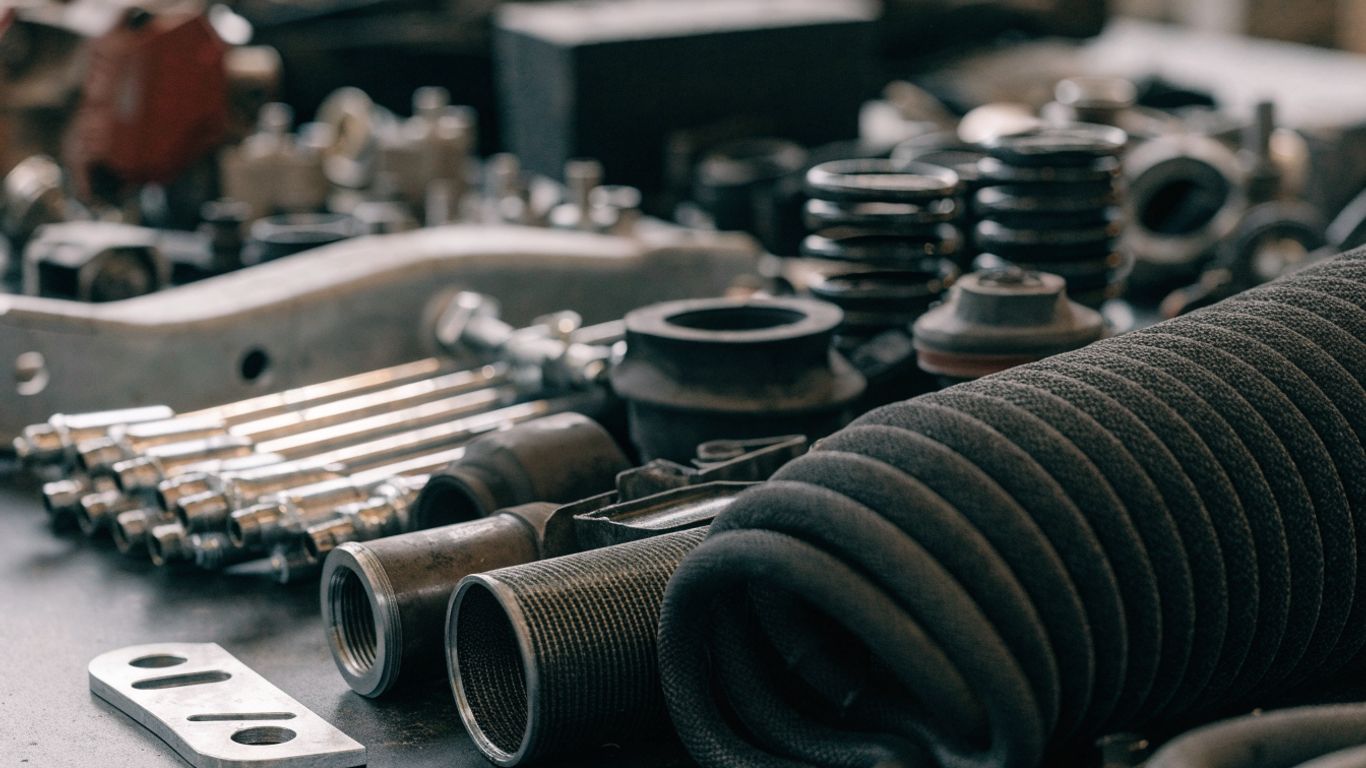
Check the materials and construction details that matter for the part’s job, such as how it is assembled and what conditions it is designed to handle. Testing is most useful when the method and application are clear enough to understand what was measured. Be cautious with broad claims that do not identify a vehicle, setup, or test conditions. When details are limited, ask for clarification before treating the claim as a reason to buy.
Distinguish measurable gains from appearance or sound changes
A louder exhaust, a different visual profile, and a measured change in output are distinct results. Decide which one you want, and then look for evidence that addresses that particular outcome. Independent comparisons can be helpful when they use comparable vehicles and conditions, though results still may not transfer directly to your setup. If a claim provides no baseline or test context, treat it as a possibility rather than a promise.
Review warranties, return policies, and long-term maintenance needs
Read the warranty and return terms before installation, especially any conditions related to modification, professional installation, or opened packaging. Also consider how often the part may need inspection, adjustment, cleaning, or replacement. A lower initial price may not be the best value if upkeep is burdensome or support is unclear. Keep a copy of the terms you relied on when making the decision.
Plan installation and protect vehicle reliability
An upgrade is not complete when the box arrives; it is complete when it is installed correctly and the vehicle behaves as expected afterward. Some work is straightforward for an experienced owner, while other jobs require specialist tools, diagnostic equipment, or careful setup. Think through the installation path before buying, not after the vehicle is already apart. A conservative plan can protect both the vehicle and your time.
Decide which upgrades are suitable for DIY installation
Be realistic about your experience, tools, workspace, and the consequences of a mistake. Simple bolt-on accessories may be manageable for a capable owner, but suspension, brake, fuel, or electrical work can involve safety-critical procedures. Read the instructions in advance and check whether the job calls for lifting equipment, torque specifications, calibration, or a second person. If any step is outside your comfort level, professional installation is a sensible part of the budget.
Account for tuning, calibration, and supporting parts
Some modifications require tuning, calibration, or related components to operate as intended. Confirm those needs with documentation for the exact parts and vehicle, and include them in the cost and schedule. A combination that works in one configuration may not suit another, so avoid treating another owner’s setup as a universal recipe. After installation, follow the recommended checks and pay attention to new warning lights, sounds, or changes in behavior.
Consider how modifications may affect safety systems and warranties
Before changing a vehicle, consider whether the work could affect airbag deployment areas, sensors, driver-assistance equipment, braking behavior, or other safety-related systems. The interaction depends on the vehicle and the modification, so verify details rather than assuming a part is harmless because it bolts on. Warranty coverage can also depend on the circumstances and applicable terms; do not rely on broad promises from informal discussions. Keep records and seek qualified advice when the potential consequence is significant.
Check regulations and make a smart purchase
A part can fit and still be unsuitable for road use in a particular place. Requirements for emissions, noise, lighting, vehicle dimensions, and inspection vary, so check the rules that apply where the vehicle is registered and driven. Then compare the complete purchase cost and keep a record of what changes. A careful decision is not only about finding a part; it is about understanding what ownership of that part involves.
Research emissions, noise, and road-use requirements
Check current local and national rules before buying any part that changes emissions equipment, exhaust noise, lighting, ride height, or vehicle dimensions. Requirements may differ between public-road use and closed-course use, and a seller’s description is not a substitute for the relevant authority’s guidance. If the intended use is mixed, make sure the vehicle remains compliant for the roads on which you plan to drive. When uncertain, ask the relevant regulator or an appropriately qualified professional.
Compare total costs, including shipping and installation
Compare the complete delivered and installed cost, including taxes, shipping, labor, and supporting work. Delivery times and return shipping can matter too, particularly if the vehicle is unavailable during installation. The same habit of checking scope, costs, and records appears in unrelated resources on olive-oil heat guidance, software modernization, group dining logistics, post-accident documentation, and California conviction relief; their subject matter is different, but each underscores the value of understanding a process before committing. Keep automotive decisions grounded in automotive fitment and regulations.
Keep records of parts, receipts, and maintenance changes
Save receipts, product details, installation notes, and any alignment or calibration records. A simple log makes it easier to track maintenance intervals and explain what has changed if a future repair is needed. It can also help you evaluate whether an upgrade delivered the result you wanted. Taking a few minutes to document the work gives you a clearer picture of the vehicle over time.
Conclusion
Choosing upgrades well is less about buying the most dramatic part and more about matching a specific need to a compatible, well-understood solution. Set priorities, verify fitment, account for installation and upkeep, and check the rules before ordering. That approach leaves room for personal taste while keeping the vehicle’s function and reliability in view.
Frequently Asked Questions
What should I upgrade first on my vehicle?
Start with the goal that matters most and the vehicle’s current condition. Address maintenance or safety concerns before adding performance or cosmetic parts, then choose a compatible upgrade that directly supports your intended use.
Do aftermarket parts always improve performance?
No. Some parts are primarily for appearance, sound, utility, or a particular driving feel. A claimed performance gain should be supported by evidence relevant to the vehicle and setup in question.
How can I check whether a part fits my car?
Match the part’s fitment information against the vehicle’s year, make, model, trim, engine, and any other specifications the seller identifies. If the application remains unclear, confirm it with the manufacturer or a qualified installer before ordering.
Can I install aftermarket upgrades myself?
Some accessories may be suitable for a capable DIY owner, but the right choice depends on the task, tools, experience, and safety implications. Read the instructions first and use a professional for work that requires specialist equipment or procedures outside your experience.
Will modifications affect my vehicle warranty?
The effect depends on the warranty terms, the modification, and the circumstances of a repair. Review the applicable documents and ask the warranty provider or a qualified adviser rather than assuming that every modification either cancels or leaves coverage unchanged.
Do I need tuning after installing performance parts?
Some combinations require tuning or calibration, while others may not. Check the instructions and technical information for the exact part and vehicle, and account for any required work before installation.
How do I know whether an upgrade is legal for road use?
Check current requirements in the jurisdiction where the vehicle is registered and driven. Pay particular attention to rules involving emissions, noise, lighting, dimensions, and inspection, and seek guidance from the relevant authority if the application is uncertain.