

Key Takeaways
Emergency parking brakes hold a vehicle when it is parked, but their parts and operating methods can vary by configuration. A careful fitment check and a timely inspection help avoid ordering the wrong component or overlooking a developing fault.
- The parking brake is separate from the service brake, even though both are part of the braking system.
- Shoes, cables, levers, adjusters, switches, and actuators may be involved, depending on the design.
- Confirm the vehicle’s model, year, trim, VIN, and part number before ordering.
- Rolling, warning messages, unusual noises, or binding are reasons to investigate the system.
- Brake work involving electronic controls may call for professional diagnosis and service procedures.
How the Haval emergency brake system works
An emergency brake, more commonly called a parking brake, is intended to help keep a parked vehicle from moving. Its design and components can differ by vehicle version, so the owner’s manual and parts information are useful starting points. Knowing how it differs from the service brake makes it easier to understand what a symptom may—and may not—tell you.
Parking brake versus service brake
The service brake is used to slow or stop the vehicle while driving. The parking brake is applied to help hold the vehicle when it is stationary, and it may use a separate mechanism to act on the rear brakes. The two systems are related, but a problem with one does not automatically identify a fault in the other. Treat a change in either system as a reason to assess it rather than assuming the cause.
Mechanical and electronic parking brake designs
A mechanical parking brake typically uses a hand lever or pedal connected to cables and related hardware. An electronic parking brake uses a switch and electrically controlled components instead of a conventional hand lever acting directly through cables. Vehicle equipment can vary, so a familiar-looking control is not enough to confirm which parts are fitted. For a general visual reference to the electronic system, see this EPB troubleshooting guide.
How the system holds the vehicle in place
When engaged, the parking brake applies a holding force through the components fitted to that vehicle. Depending on the design, the mechanism may work with brake shoes or with a caliper-based arrangement. The parts must be correctly adjusted and able to move as intended; age, wear, damage, or an electrical fault can affect operation. A video can help illustrate the general distinction between parking and service brakes, though it cannot identify a fault on a particular vehicle.
Key Haval emergency brake parts
The exact parts involved depend on the parking-brake design and vehicle configuration. Some systems rely on mechanical linkages, while others use electronic controls and actuators. Use parts listings and service information for the specific vehicle rather than treating every component below as universal.
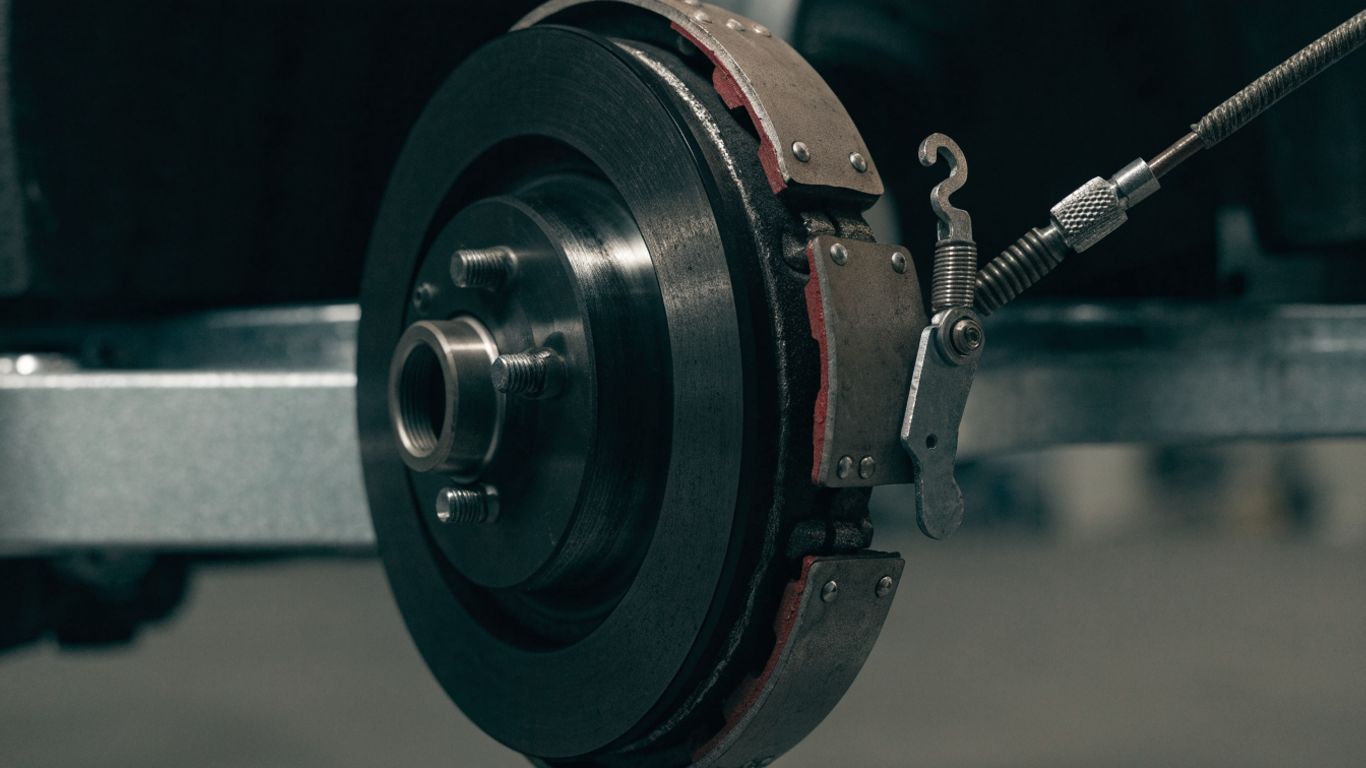
Parking brake shoes and rear brake discs
On some designs, small parking-brake shoes work within a drum surface associated with the rear disc; on others, the parking brake acts through the caliper. These arrangements are not interchangeable, so identify the design before shopping. A listing for parking brake shoes illustrates why fitment details matter: the page identifies a particular H6 application rather than a universal part. Check the vehicle details against the listing before relying on a match.
Cables, levers, and adjusters
In a mechanical setup, a lever or pedal can pull cables that operate the brake mechanism, while adjusters help maintain the intended movement and engagement. A stretched, seized, corroded, or disconnected cable can change how the control feels or how well the brake holds. A front brake hose is a different component, even though it belongs to the wider braking system; a replacement brake hose listing is a reminder to distinguish hydraulic parts from parking-brake hardware. The distinction helps prevent an unrelated part from being ordered for a parking-brake concern.
Electronic parking brake switches and actuators
An electronic design uses a driver-operated switch and electrically controlled hardware to apply or release the brake. A fault may involve the control, wiring, actuator, or another part of the system, so symptoms alone do not establish which item needs replacement. A listing for an original parking brake switch identifies a specific H6 generation; that kind of detail should be checked against the vehicle’s own fitment information. Avoid assuming that a switch from one generation will suit another.
Finding the right parts for your Haval
Parts that appear similar may differ in dimensions, mounting, electrical connections, or application. Start with the exact vehicle identity and use supplier fitment data to narrow the options. The phrase Haval emergency brake parts may describe a broad category, but an order needs to resolve down to a specific, verified application.
Match parts to the model, year, and trim
Model name alone is rarely a complete fitment check. Record the model, model year, trim, engine or drivetrain details when requested, and whether the parking brake is mechanical or electronic. A Haval H6 parts listing, for instance, may apply to only one version or generation, so check every qualifier shown by the supplier. The same caution applies when browsing a broader Jolion parts market: a category page is not a confirmation of fitment for an individual vehicle.
Check VIN and OEM part numbers
A VIN can help a parts supplier distinguish equipment and production variations, while an OEM part number provides a more precise reference when available. Use those details to compare the seller’s listing with the vehicle’s records, and ask for clarification if the description is incomplete. The table below shows how each identifier can help; none should be treated as a substitute for checking the actual application.
| Fitment detail | What it helps establish | Useful next step |
|---|---|---|
| Model and year | The broad vehicle application | Confirm the exact trim and production details |
| VIN | Vehicle-specific identification | Ask a supplier to verify the part against it |
| OEM part number | A direct reference for a component | Compare the number and any superseding reference |
| Brake design | Mechanical or electronic arrangement | Confirm the parts shown match the fitted system |
If two references disagree, pause before ordering and have the supplier reconcile them. A small amount of checking is less costly than trying to fit an incompatible component.
Confirm compatibility across Haval generations
A similar name or body style does not mean that components carry over between generations. Switches, actuators, shoes, and mounting hardware may have different applications, and a supplier’s generation label should be read carefully. If a listing gives only a broad model name, ask for a VIN-based fitment check or a matching part-number confirmation. This is especially useful when choosing between an original-equipment reference and an aftermarket listing.
Signs that emergency brake parts need attention
A parking brake that does not behave as usual deserves attention, but one symptom rarely identifies the failed part by itself. Note what happens when the brake is engaged and released, and whether a dashboard warning appears. Do not rely on the parking brake to hold a vehicle if it is visibly failing to do so.
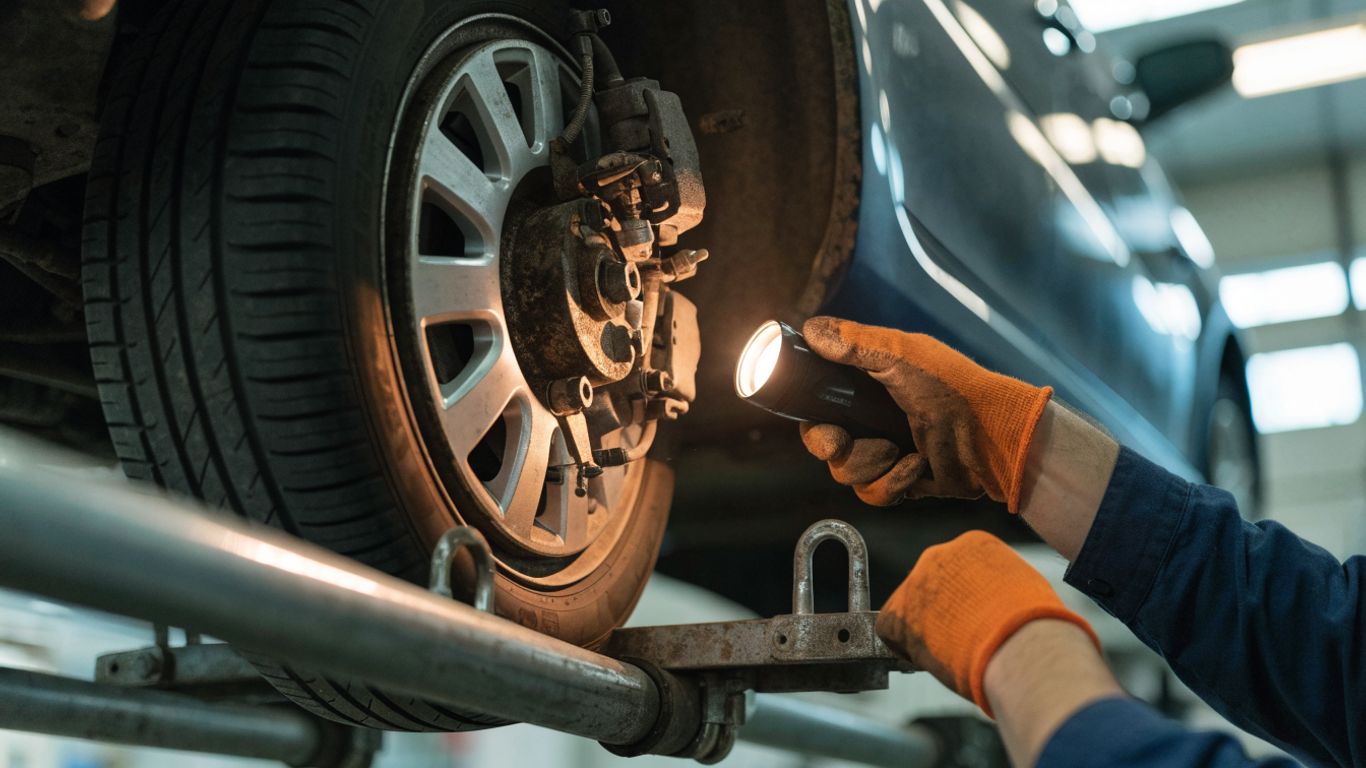
The vehicle rolls when the brake is engaged
If a vehicle moves after the parking brake has been applied, the system may not be producing enough holding force or may not be engaging correctly. The cause could involve adjustment, wear, a cable, a brake mechanism, or another fault; the symptom alone cannot distinguish among them. Park on a level surface where possible, use the vehicle’s normal safety procedures, and arrange an inspection rather than testing the brake on a slope.
A warning light or error message appears
A warning light or message can indicate that the electronic system needs attention, but it does not automatically mean the switch or actuator is defective. Record the exact message and any conditions when it appeared, such as whether the brake applied or released. A diagnostic check can help separate an electrical issue from a mechanical one. Avoid repeatedly cycling a system that is displaying a fault if the manual advises against it.
Unusual noises, binding, or a loose brake lever
A change in lever travel, resistance, or release can point to wear, adjustment, or binding in a mechanical system. Grinding or other unfamiliar sounds also deserve an inspection, especially if the brake seems reluctant to release. A useful first record is a concise set of observations:
- Note whether the control feels loose, stiff, or unusually long in travel.
- Listen for noises during application and release.
- Check whether the warning remains after the brake is released.
- Record when the symptom occurs and whether it is consistent.
These observations help a technician reproduce the concern without guessing at a replacement part. If the vehicle does not hold safely or the brake stays engaged, avoid driving it until it has been assessed.
Inspection and replacement considerations
Inspection begins with the symptoms and the vehicle’s service information, not with a parts order. A visual check may reveal obvious damage, but internal wear or electronic faults can be difficult to assess without appropriate tools. Use safe lifting and vehicle-support procedures, and seek qualified help whenever the inspection goes beyond your experience.
What to check during a visual inspection
With the vehicle safely secured, look for visible damage, loose or disconnected hardware, corrosion, and signs that a cable or linkage is not moving freely. Check the control for unusual looseness and note any warning indicators, but do not dismantle brake components unless you have the correct procedure and equipment. A visual inspection can narrow down what to investigate; it cannot confirm the condition of every hidden part. Record what you see so the findings can be compared with service guidance.
When professional diagnosis is important
Professional diagnosis is appropriate when the brake will not hold or release reliably, an electronic warning persists, or the likely cause is unclear. A technician can assess both mechanical operation and any relevant electronic faults, then confirm which parts are actually needed. This avoids replacing a visible or easily named part when the root cause lies elsewhere. If you are unsure whether the vehicle is safe to move, arrange advice before driving it.
Electronic parking brake service precautions
Electronic parking brakes may require a specified service mode or procedure before certain work can be performed. Follow the vehicle’s service information; do not assume that disconnecting a battery or pressing a control will safely release an actuator. Incorrect handling can complicate the repair or create a safety risk. When the required procedure or tools are unfamiliar, leave the work to a qualified technician.
Choosing and buying replacement parts
Once the fault and fitment are understood, compare the part itself, the supplier’s application details, and the terms of sale. A low price is not useful if the part is unsuitable or the listing leaves key information unanswered. Good purchasing decisions begin with verified fitment details, then weigh quality, warranty, and completeness against the job at hand.
Compare OEM and aftermarket options
An OEM reference can help identify the intended application, while an aftermarket option may provide another choice for the same verified fitment. Compare part numbers, included hardware, stated compatibility, and the supplier’s return terms rather than judging by appearance alone. Broader shopping pages can contain unrelated categories: Quonset hut carports, for example, concern vehicle storage rather than brake components, so they offer no evidence about brake-part fitment. Keep the comparison focused on the exact component needed.
Check material quality and warranty coverage
Read the product description for material, manufacturing details, and what is included in the package. Check warranty length, exclusions, and the process for a return or replacement before buying. These terms vary by seller and part, so do not assume that one policy applies to every item. If the listing is vague about the component or its application, ask the supplier before placing the order.
Verify the complete parts list before ordering
Some repairs may require related hardware as well as the main component, but the correct list depends on the diagnosis and the vehicle’s service information. Confirm each part number, quantity, side or position where relevant, and whether clips or other fittings are included. Purchasing decisions vary by category, too: Design Concepts covers outdoor furniture rather than vehicle parts, while SIJS guidance, Oahu beach wedding packages, and biomedical equipment service address entirely different needs. Those examples are not fitment references; for brake work, use vehicle-specific supplier data and qualified advice.
A final review of the order against the confirmed parts list can catch a mismatch before it becomes a delay. Keep the fitment confirmation and invoice with the vehicle’s service records.
Conclusion
The safest way to choose emergency-brake components is to identify the system, verify the vehicle and part references, and investigate symptoms before ordering. Careful checks help separate parking-brake hardware from other brake parts and make it easier to know when a professional inspection is the right next step.
Frequently Asked Questions
What is the difference between a parking brake and a service brake?
The service brake slows or stops a vehicle in motion, while the parking brake is intended to help hold it when stationary. They are related systems, but their controls and operating components may differ.
Can parking brake parts vary between model years?
Yes. Parts can vary by model year, trim, generation, or brake design, so confirm fitment using vehicle-specific details rather than relying on a model name alone.
How can I identify the correct replacement part?
Compare the vehicle’s details and VIN with supplier fitment information, and check an OEM part number when available. Ask the supplier to resolve any mismatch before ordering.
What should I do if a vehicle rolls with the parking brake applied?
Do not depend on the brake to hold the vehicle. Park safely, follow the vehicle’s normal precautions, and arrange an inspection to determine why the system is not holding.
Does a warning light mean the parking brake switch has failed?
Not necessarily. A warning can have several possible causes, so the system needs diagnosis before a particular switch or other part is replaced.
Is it safe to replace electronic parking brake parts at home?
That depends on the repair, the required service procedure, and the tools and experience available. If the procedure is unfamiliar or a warning is present, professional service is the safer choice.
Should related hardware be ordered with a replacement part?
Only when the diagnosis and service information call for it. Check what the part package includes and verify the full parts list before placing an order.