

Key Takeaways
Buying a recycled parking brake assembly takes more than matching a model name. Check the vehicle details, part identifiers, condition, seller terms, and installation requirements before committing.
- Match the assembly to the vehicle’s exact model, year, trim, and parking brake type.
- Compare part numbers, connectors, brackets, and other visible details with the original assembly.
- Ask about the donor vehicle, inspection or testing, warranty, and return conditions.
- Allow for service procedures that may require diagnostic equipment or a qualified technician.
- Verify warning lights, engagement, release, and secure holding after installation.
What a Haval parking brake assembly includes
A parking brake assembly is a group of parts that helps hold a vehicle stationary when parked. Depending on the vehicle, it may use a cable-operated mechanism or an electronic system, and the parts included in a listing can vary. Before shopping for a recycled Haval parking brake assembly, confirm what the seller means by “assembly” rather than assuming every related component is included.
Mechanical and electronic parking brake components
A mechanical setup commonly involves a hand-operated control, cables, and hardware that applies the parking brake. An electronic setup uses an electrical control and may include an actuator or other system-specific components. These arrangements are not interchangeable simply because they serve the same purpose, so identify which type is fitted to the vehicle before comparing parts.
How the assembly works with the vehicle’s braking system
The parking brake operates separately from the driver’s normal brake pedal input, but it still relies on components that must work with the vehicle’s braking system. A fault can involve the control, a cable, an actuator, or related hardware, so a symptom alone does not prove that the complete assembly needs replacement. A proper diagnosis can help distinguish an assembly issue from a problem elsewhere in the braking system.
Signs that a component may need replacement
A parking brake that does not hold, releases inconsistently, or feels unusually loose or stiff deserves attention. With an electronic system, a warning light or a control that does not respond may also warrant diagnosis. These are reasons to inspect the system, not a definitive diagnosis; related brake wear or an electrical fault may produce similar symptoms.
Why the exact Haval model and year matter
Parts can differ between model years, trims, and system configurations, even when vehicles share a model name. Compare the original part and vehicle details rather than relying on a broad listing description. A close visual match can be useful, but it cannot confirm that mounting points, connectors, or operating requirements are identical.
How to check compatibility before buying
Compatibility is best established by matching several details, not by relying on a model name alone. Have the vehicle identification details and, if available, the number from the original part ready before contacting a seller. A clear comparison at this stage can prevent delays and the cost of returning an unsuitable assembly.
Match the assembly to the model, year, and trim
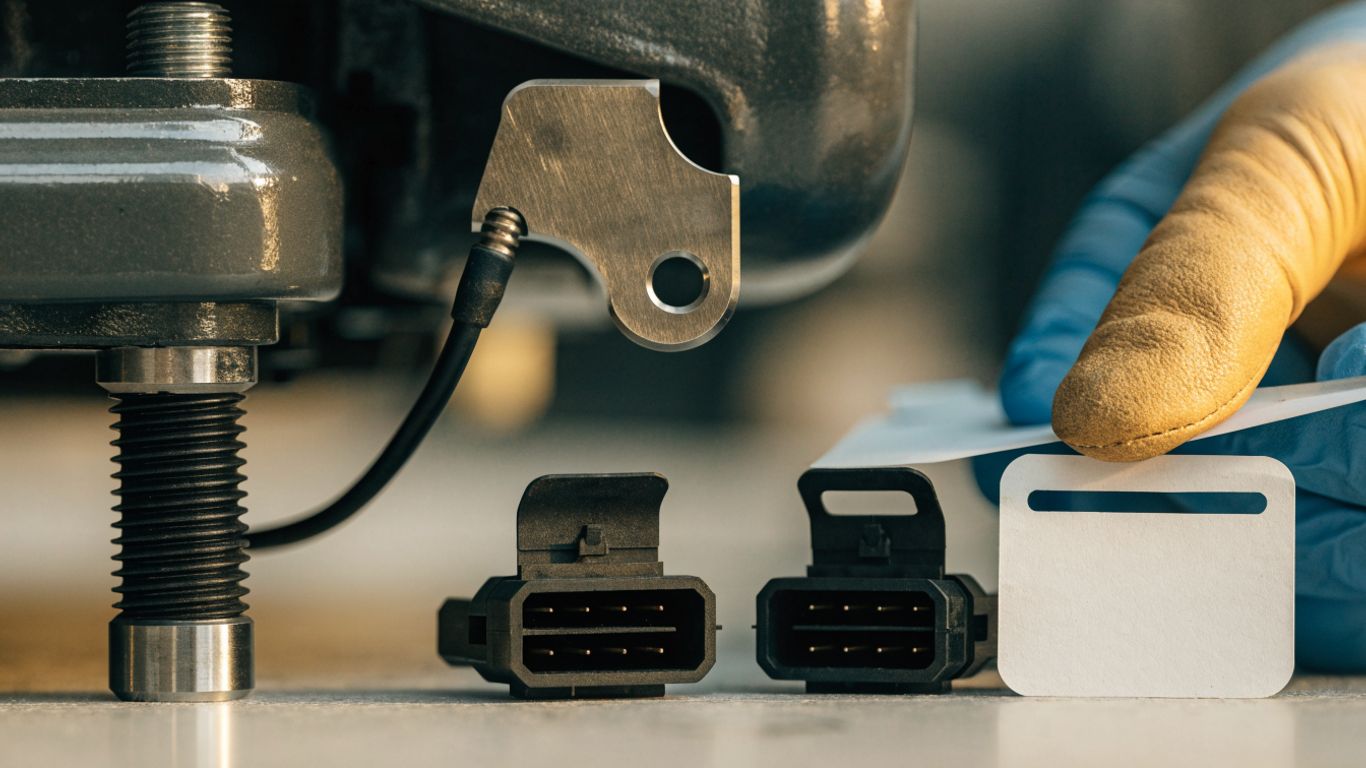
Start with the exact model, year, and trim shown in the vehicle records. Also check which parking brake type is installed, since a mechanical cable system and an electronic system call for different parts. If a listing does not identify these details, ask the seller to confirm them against the donor and recipient vehicles before purchase.
Verify the part number and connector details
A part number stamped or printed on the original component can be a strong comparison point, though it should still be checked against fitment information. For electronic assemblies, compare the connector shape, pin arrangement, and mounting features where visible. The table below gives a practical way to organize those checks; an unknown or mismatched detail is a reason to pause and ask, not to guess.
| Detail to compare | What to check | Why it matters |
|---|---|---|
| Part number | Markings on the original and replacement | Helps identify the specific component version |
| Connector | Shape, pins, and locking features | A visual mismatch may indicate different electrical fitment |
| Mounting points | Brackets, holes, and orientation | The assembly must attach correctly |
| Vehicle details | Model, year, trim, and brake type | Listings may cover only particular configurations |
Use the comparison as a conversation with the seller, especially if a number is missing or difficult to read. A listing photo can support the check, but it should not replace confirmation of the part’s fitment.
Check for differences between electronic and mechanical systems
Determine whether the vehicle has a cable-operated parking brake or an electronic one before choosing an assembly. The control, connections, and service requirements can differ, so a part designed for one type should not be assumed to suit the other. A replacement electronic handbrake button listing for certain H2 vehicles, for example, should be treated as a separate component—not proof that a complete assembly will fit; see the H2 handbrake button details and verify the vehicle independently.
Confirm fitment with the seller or a parts specialist
Give the seller the vehicle’s model, year, trim, brake type, and original part number if you have it. Ask them to confirm fitment in writing and to identify any exclusions, such as a connector or bracket not included in the listing. For a broader reference on checking a vehicle’s condition and supporting evidence, a vehicle health check covers a different inspection purpose; it does not establish parking brake part compatibility.
How to assess a recycled assembly’s condition
A recycled part may be suitable, but its history and visible condition deserve a careful review. Ask for clear photos of the actual assembly rather than relying only on a generic image, and clarify whether any attached parts are included. Condition checks cannot guarantee future performance, but they can uncover reasons to request more information or choose another part.
Inspect the housing, cables, brackets, and connectors
Look closely at the housing and mounting brackets for cracks, distortion, or missing sections. Check cable ends and visible sheathing for fraying or kinks, and inspect electrical connectors for broken locks or damaged pins. If the listing describes a complete assembly, compare its pictured contents with the parts you expect to receive.
Look for corrosion, impact damage, and wear
Surface marks are not automatically a reason to reject a part, but heavy corrosion, bent brackets, or signs of impact deserve explanation. Ask whether moving components feel restricted and whether any wear was noted during removal. A careful review works best as a set of specific questions:
- Are there cracks, bends, or impact marks on the housing or brackets?
- Are cables, connector locks, and pins visibly intact?
- Is there corrosion near mounting points or electrical connections?
- Do the photos show the exact part that will be shipped?
The answers should help you decide whether the condition matches the seller’s description. If important areas are hidden in the photos, request another view before paying.
Ask how the part was tested and removed
Ask whether the assembly was inspected or tested before removal, and what those checks involved. Also request the donor vehicle’s details and any known reason the part was removed; a seller may not have a complete service history, so distinguish confirmed information from what is unknown. A braking maintenance guide offers general maintenance context, but it cannot verify the condition of a specific recycled part.
Review the warranty and return terms
Before ordering, check how long any warranty lasts, what it covers, and whether installation or diagnostic evidence is required for a claim. Confirm the return window, who pays return shipping, and whether the part must be uninstalled or returned in its original condition. Record the seller’s answers and the listing description so there is a clear reference if the delivered item differs from what was agreed.
Where to source a recycled Haval parking brake assembly
A suitable source should be able to describe the part, identify its donor vehicle where known, and explain the purchase terms. Recyclers, dismantlers, and online listings may provide different levels of detail, so compare the information and support available as well as the asking price. Keep the vehicle’s part details in front of you while searching, and treat an unclear listing as a reason to ask follow-up questions.
Compare auto recyclers, dismantlers, and online marketplaces
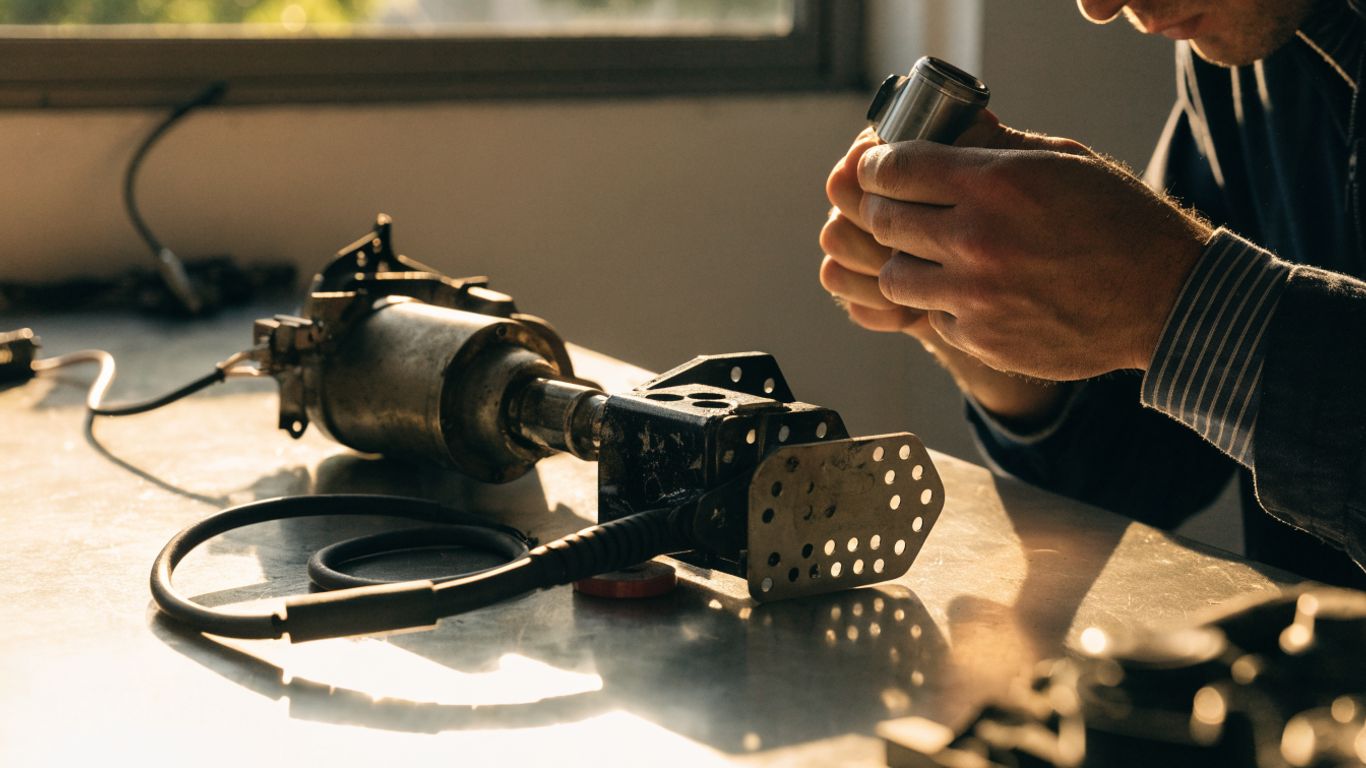
Compare how each seller identifies inventory, answers fitment questions, and handles returns. A marketplace listing may make it easy to view multiple options, while a recycler or dismantler may be able to provide information about a specific donor part; practices vary, so ask rather than assume. The Australian supplier described in this article connects customers with used, genuine, and aftermarket parts through a network serving Melbourne, Sydney, Brisbane, and customers nationwide.
Check the donor vehicle’s details
Request the donor vehicle’s model, year, and trim when available, then compare them with the recipient vehicle. A matching donor description is helpful, but it does not by itself prove compatibility if equipment or part versions differ. As a practical comparison, a property viewing checklist also focuses on recording details about the specific item being inspected; the criteria for a vehicle part are, of course, different.
Evaluate seller records and part documentation
Look for a description that identifies what is included, the part number if known, the donor details, and any stated condition notes. Ask for an invoice or other purchase record and keep copies of the listing and seller correspondence. Documentation practices matter in many types of purchase: for example, a BU premium refund guide concerns a different subject, but also describes why understanding the written terms matters before making a decision.
Compare total cost, including shipping and core charges
Compare the full amount due rather than the headline price. Include shipping, any refundable core charge, taxes, and possible return costs, then check when a core must be sent back and in what condition. For another example of using supporting documents in a financial comparison, property valuation guidance deals with a different market; here, the useful habit is simply to base the decision on documented details rather than an isolated figure.
What to know before installation
A parking brake assembly is safety-related, and installation can involve more than swapping a visible part. The correct procedure depends on the vehicle and the type of system fitted, so use reliable service information for the exact configuration. If the repair requires specialized tools or electronic procedures, arrange that support before removing the old part.
Identify tools and service information needed
Check the service information for the correct removal and installation steps, required tools, and any precautions for the vehicle. Do not assume that instructions for a different model or a similar-looking assembly apply. If drum brake hardware is also part of the repair, a drum shoe replacement guide covers general precautions, but the vehicle’s own service information remains essential.
Account for electronic calibration or relearn procedures
Some electronic systems may require a scan tool, calibration, or a relearn procedure after replacement. Confirm whether the exact vehicle requires one before starting, and find out who will carry it out if you do not have the required equipment. Skipping a specified procedure can leave warning lights or prevent the system from operating as intended.
Replace related worn hardware when appropriate
Inspect related hardware while the assembly is accessible, but replace additional parts only when inspection or service guidance supports it. Check for damaged fasteners, worn cable ends, or other issues identified during diagnosis. A wider repair should be based on the vehicle’s condition, not added automatically just because the assembly is being changed.
Know when to use a qualified technician
If you are unsure how the system is released, adjusted, or checked, use a qualified technician. The same applies when warning lights persist, diagnostic equipment is needed, or the parking brake affects other brake components during service. A technician can follow the correct procedure for the specific vehicle and check the work before it is returned to regular use.
How to verify operation after installation
Verification should be deliberate and performed in a safe place. First confirm that the installation is complete and that any vehicle-specific service or calibration steps have been followed. If anything feels abnormal, stop testing and have the system inspected rather than trying to compensate by repeatedly operating the control.
Check warning lights and diagnostic codes
Switch the vehicle on and check whether any parking brake or brake-system warning lights remain. If a warning appears, or the system behaves unexpectedly, have diagnostic codes read with equipment suitable for the vehicle. A light going out is useful information, but it does not replace the operational checks that follow.
Test engagement and release on level ground
With the vehicle on level ground, follow the vehicle’s normal procedure to engage and release the parking brake. Listen and feel for an unusual change in operation, and confirm that the control responds consistently. Do not continue if the brake does not release fully or the vehicle indicates a fault.
Confirm the vehicle stays stationary under safe conditions
Carry out a stationary-hold check only in a controlled, safe location and according to the vehicle’s service guidance. Keep clear of traffic and do not put yourself in the vehicle’s path. If the vehicle moves or the result is uncertain, stop and have a technician inspect the system before relying on it.
Recheck for noise, binding, or uneven brake behavior
After the initial checks, pay attention to new noises, binding, or signs that the parking brake is not releasing cleanly. If the vehicle has been driven as part of a technician’s verification, ask about any unusual behavior observed and have concerns checked promptly. A quiet test and normal control feel are reassuring, but persistent warnings or uneven braking still call for diagnosis.
Conclusion
Choosing a recycled Haval parking brake assembly is a matter of matching the exact vehicle and system, checking the part’s condition and history, and understanding the seller’s terms before buying. Confirm the installation procedure and verify operation carefully afterward; when fitment or safety is uncertain, get help from a qualified parts specialist or technician.
Frequently Asked Questions
Can a recycled parking brake assembly be reliable?
It may be a suitable option if the part is correctly matched, its condition is clearly described, and the seller’s warranty and return terms are acceptable. No inspection can guarantee future performance, so ask what is known and what remains unverified.
What information should I have before asking about fitment?
Have the vehicle’s make, model, year, trim, parking brake type, and original part number if available. Clear photos of the original component can also help a seller compare details.
Does a matching model name guarantee the part will fit?
No. Differences in year, trim, system type, connectors, or brackets can affect compatibility. Confirm the part against the vehicle and available fitment information before ordering.
What should I ask about a used assembly’s condition?
Ask for photos of the actual item, details about visible wear or damage, donor vehicle information, and what inspection or testing was performed. Also confirm what is included in the sale.
Should I install the assembly myself?
That depends on your experience, the service procedure, and whether special tools or electronic steps are required. If you are unsure or cannot verify the repair safely, use a qualified technician.
Does an electronic parking brake need calibration after replacement?
Some vehicles may require calibration or a relearn procedure, while requirements vary by system. Check the service information for the exact vehicle or consult a technician before installation.
What should I do if a warning light remains after installation?
Do not assume the assembly is functioning correctly. Have the vehicle scanned for diagnostic codes and inspected, especially if the parking brake will not engage or release normally.