

Key Takeaways
Brake service is safest when parts are matched to the vehicle and decisions are based on inspection rather than assumptions. These points can help you know what to check and what to ask a qualified technician.
- Braking turns vehicle motion into heat through friction at the wheels.
- Pads, discs, calipers, and hydraulic parts work together, but their specifications can vary by vehicle version.
- Changes in pedal feel, noise, vibration, or warning lights deserve attention.
- Confirm the vehicle’s year, trim, engine, market, and part specifications before ordering components.
- Inspect brakes regularly and follow service guidance, especially after demanding driving or new-part installation.
How the Haval H6 braking system works
Braking is a chain of actions: the driver presses the pedal, force is transmitted through the system, and friction at the wheels slows the vehicle. The exact hardware can vary with model year and specification, so an overview is a starting point rather than a substitute for vehicle-specific service information. Understanding the basic sequence makes it easier to describe a symptom and follow an inspection. It also explains why a change in one part can affect the feel of the whole system.
From brake pedal pressure to wheel braking force
When the pedal is pressed, a hydraulic system transfers force toward the wheel brakes. At a disc brake, a caliper presses brake pads against a rotating disc, creating friction that reduces wheel speed. That friction converts motion into heat, which must be managed by the braking components. The pedal’s response can change if there is wear, damage, air in the hydraulic system, or another fault, so an unusual feel should be checked rather than explained away.
How hydraulic and electronic systems support braking
Hydraulic components carry pressure from the master cylinder through lines and hoses to the brakes. Electronic systems can also be involved in vehicle braking, but their design and functions depend on the specific vehicle and equipment. A warning light or unexpected intervention is not enough to identify a failed part on its own. Proper diagnosis should combine the warning, the driver’s observations, and an inspection using suitable service information.
Why front and rear brakes may use different components
Front and rear brakes can have different parts or specifications, and the same model name does not confirm that a component fits every version. Loads, vehicle design, and equipment affect the components used at each axle. For that reason, replacement parts should be checked against the vehicle identification details and the position being serviced. Matching parts by appearance alone can lead to a poor fit or incorrect installation.
Main Haval H6 brake components
A braking system is made up of parts that create friction, support movement, and carry hydraulic pressure. The familiar wear items are pads and discs, but calipers and supporting hardware also need attention. A problem can arise from wear, corrosion, a leak, or restricted movement, rather than from a single obvious component. Looking at the system as a whole gives a more useful picture than replacing a part based only on a sound.
Brake pads and their role in friction
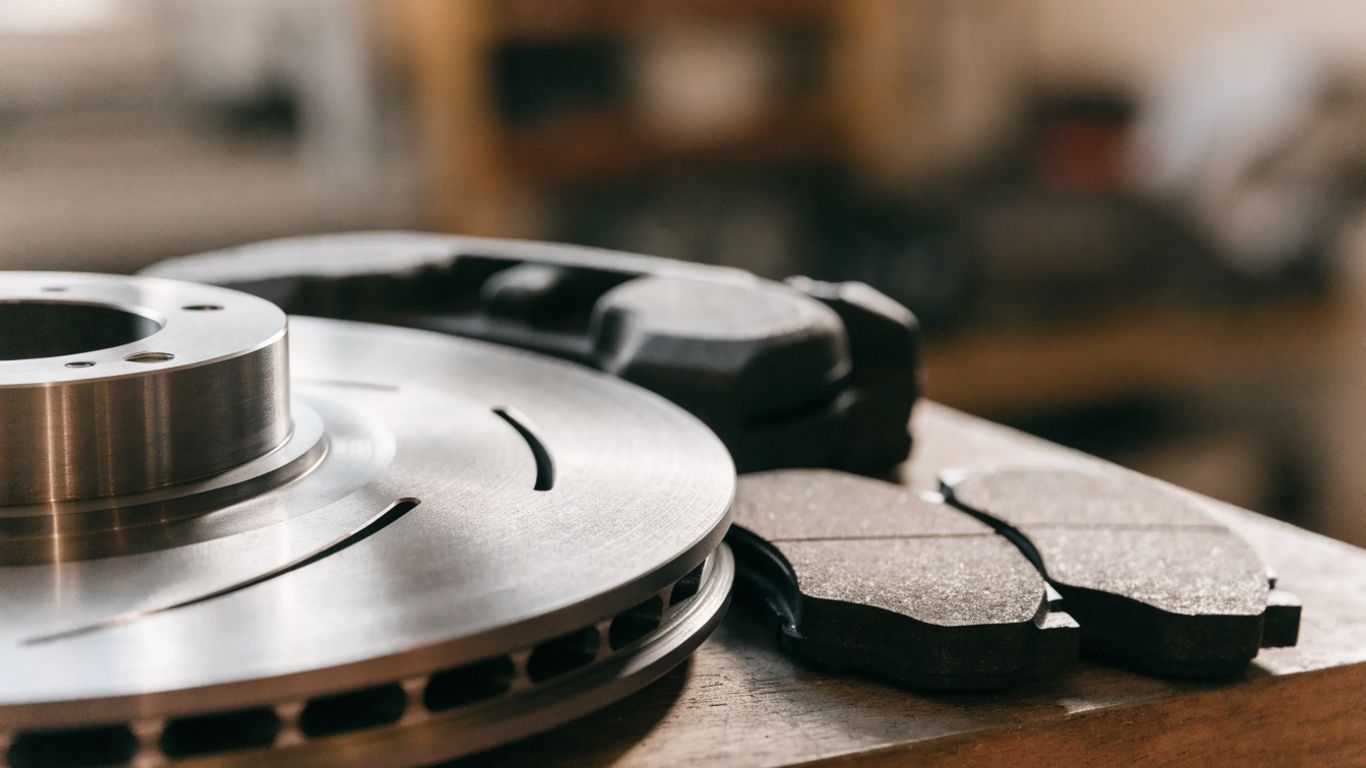
Brake pads contain friction material that contacts the disc when the brakes are applied. As that material wears, the remaining thickness becomes a key inspection point; the correct service limit should come from the vehicle’s specifications. Pad condition can also differ between inner and outer pads or from one side of the vehicle to the other. Measured condition matters more than mileage alone, since driving conditions influence wear.
Brake discs, calipers, and supporting hardware
The disc rotates with the wheel while the caliper holds and moves the pads into contact with it. The disc surface should be checked for wear, damage, and condition against the applicable service limits. Calipers and related hardware need to move and seat as intended; binding or uneven contact can contribute to uneven wear. A technician will consider these parts together when diagnosing noise, vibration, or a pull during braking.
Brake fluid, hoses, and other hydraulic parts
Brake fluid transmits pressure through the hydraulic system, while lines and flexible hoses carry it to the wheel brakes. Leaks, damaged hoses, or fluid that does not meet the required condition can compromise braking and call for prompt assessment. Fluid checks and replacement procedures should follow the vehicle’s service guidance, not a generic interval or guess. When symptoms point to a hydraulic fault, a visual check alone may not identify the cause.
How to identify worn or faulty brake components
A change in braking behaviour is useful information, but it rarely points to just one part without inspection. Notice when the symptom occurs, whether it is getting worse, and whether a warning light appears at the same time. Avoid continuing to drive if braking feels unsafe, and arrange a professional assessment. For the Haval H6, as for any vehicle, the correct next step depends on both the symptom and the vehicle’s specific equipment.
Changes in braking feel, stopping distance, or pedal travel
A pedal that feels unusually soft, sinks farther than usual, or requires more effort should be taken seriously. A change in stopping distance can also reflect road conditions, load, tyres, or a brake fault, so it should not be attributed to pads without checking. If the vehicle pulls to one side, note whether it happens only under braking and share that detail during diagnosis. Sudden or substantial changes call for prompt professional attention.
Squealing, grinding, vibration, and other warning signs
Some brake noise can have more than one cause, and sound alone cannot confirm which part needs replacement. Grinding, persistent squealing, or vibration during braking deserves inspection, particularly if it is new or worsening. These practical observations can help a technician narrow down the issue:
- Note whether the noise occurs at low or high speed.
- Describe whether vibration is felt through the pedal, steering wheel, or body.
- Check whether the symptom changes after the brakes warm up.
- Record any recent service, wheel work, or change in driving conditions.
Those details are clues, not a diagnosis. If braking performance has changed or a harsh grinding sound is present, avoid delaying an inspection.
Dashboard warnings and when they need prompt attention
A brake-related dashboard warning may indicate a condition that needs assessment, but it does not identify the failed component by itself. Note the exact warning and when it appeared, and consult the owner’s manual for the vehicle-specific meaning. If the warning accompanies a soft pedal, fluid leak, or reduced braking, stop somewhere safe and seek professional advice rather than continuing the trip. Diagnostic checks may be needed even when the cause is not immediately apparent.
Choosing compatible Haval H6 brake parts
Part fitment depends on more than the name on the vehicle badge. Build year, trim, engine, market, and the position being serviced can all matter, and specifications may change between versions. Confirming those details before purchase helps prevent delays and avoids relying on visual resemblance. A parts supplier or technician can use vehicle details and the part specification to check compatibility.
Confirming model year, trim, engine, and market
Start with the vehicle identification details and confirm the exact year, trim, engine, and sales market. If available, compare the existing part number and the vehicle’s service or parts information, while remembering that an old part may not always be the right reference. A broad web search can mix useful details with unrelated pages, such as Home Team Luxury Rentals, the Evel Knievel Experience, forum SEO guidance, blockchain vehicle histories, and Quonset hut kits. Those pages do not establish brake fitment; use verified vehicle and part details instead.
Comparing original-equipment and aftermarket options
Original-equipment and aftermarket parts can differ in material, specification, and available documentation. Compare the stated application and required specifications rather than assuming that a familiar label ensures a match. Some listings provide broad application ranges, while others ask for additional details before confirming fitment. For example, Haval H6 GT brake pads are listed with a recommendation to confirm the vehicle’s build year, engine, and caliper details before dispatch; that is a useful reminder to verify the exact application.
Checking pad and disc specifications before purchase
Before ordering, compare the part’s listed dimensions, position, and application with reliable vehicle-specific information. Do not assume that a disc or pad fits because it is described for the same model family. A supplier listing for front Haval H6 brake pads may offer a starting point for research, but its stated fitment still needs to be checked against the vehicle. Confirm the return and fitment process if any detail remains uncertain.
What to expect during brake inspection and replacement
A proper inspection considers wear, component condition, and operation rather than simply replacing the part that looks most worn. The technician should verify the vehicle specification and examine both sides of the relevant axle. Replacement work may also involve checking related hardware and confirming that the brake system functions correctly afterward. Ask what was measured, what was found, and whether any additional repair is recommended.
Assessing pad thickness, disc condition, and caliper movement
Pad thickness is checked against the applicable service limit, and the disc is inspected for wear or damage. Caliper operation and supporting hardware should also be assessed, since restricted movement can contribute to uneven contact. The findings may differ from side to side, so checking both wheels on an axle is useful. Measurements and observations help distinguish routine wear from a problem that needs further diagnosis.
Replacing pads or discs as a matched axle set when appropriate
When pads are replaced, technicians commonly consider the pair across the same axle so braking remains balanced from side to side. Whether discs also need replacement depends on their condition and the vehicle’s specifications. The decision should be based on inspection, not a blanket rule that every brake service needs all components. After fitting, the system should be checked for correct operation before the vehicle returns to normal use.
Following safe procedures for brake fluid and electronic systems
Brake fluid work requires suitable procedures and the correct fluid specification; an incorrect approach can introduce air or contamination. Electronic systems may require vehicle-specific service steps, so repairs should follow appropriate technical information and equipment requirements. These procedures are not a good place to improvise from a generic online guide. Ask the technician to explain any service steps that affect the hydraulic or electronic system.
Maintaining brake performance over time
Routine attention can reveal wear before a small change becomes a larger concern. Inspection timing should follow the vehicle’s service guidance and take account of how the car is used. Regular checks are especially useful when the vehicle carries heavy loads or spends a lot of time in demanding conditions. Keep notes of repairs and symptoms so changes are easier to spot over time.
Scheduling inspections based on use and service guidance
Use the recommended service guidance for the vehicle as a baseline, and ask a qualified technician whether driving conditions call for more frequent checks. There is no single mileage figure that predicts when every set of pads or discs needs attention. Regular inspection can confirm remaining wear and reveal uneven condition. If braking feel changes between services, arrange an assessment rather than waiting for the next scheduled visit.
Adapting checks for heavy loads, hills, or frequent stop-and-go driving
Repeated braking, steep routes, and heavy loads can place greater demands on brake components. If those conditions are part of regular use, mention them when discussing inspection timing with a technician. Pay attention to new noises or changes in feel after a demanding journey, but allow for road and weather conditions when describing what happened. Use the vehicle’s guidance on loading and driving rather than treating a general rule as a substitute.
Bedding in new pads and discs and monitoring their performance
After new pads or discs are fitted, follow the installer’s instructions for initial use. Bedding-in procedures vary by part and application, so a generic routine should not override the directions supplied for the components. During the first drives, monitor braking feel and listen for persistent or worsening symptoms. If performance seems unsafe or abnormal, stop driving when safe and contact the workshop that performed the work.
Conclusion
Brake components work together, and the right service decision starts with careful observation and vehicle-specific information. Check symptoms promptly, confirm fitment before buying parts, and rely on inspection and appropriate service procedures to keep braking predictable.
Frequently Asked Questions
How often should brake components be inspected?
Follow the vehicle’s service guidance and ask a qualified technician whether your driving conditions call for more frequent checks. Any new symptom should be assessed rather than left until the next scheduled visit.
Can I tell from a noise which brake part has failed?
Not reliably. Similar sounds can have different causes, so a technician should inspect the brakes and consider when and how the noise occurs.
Should brake pads be replaced on both sides of an axle?
Pads are generally replaced as a left-and-right axle set to support balanced braking. The technician should inspect both sides and follow the vehicle’s service requirements.
Do brake discs always need replacement with new pads?
No. Disc replacement depends on measured condition and the applicable service limits. A technician can assess whether the existing discs are suitable for continued use.
What details help confirm brake-part fitment?
Provide the vehicle’s year, trim, engine, market, and the position being serviced. A part number or vehicle identification details can help confirm the application.
Is a brake warning light always caused by worn pads?
No. A warning can have different causes and does not identify a failed part on its own. Consult the owner’s manual and arrange an assessment, especially if braking performance has changed.
What should I do if the brake pedal suddenly feels soft?
Treat a sudden change as a safety concern. Stop somewhere safe and seek professional advice instead of continuing to drive if braking does not feel reliable.