

Key Takeaways
Brake pad choice depends on the Haval model, year, axle and the condition of the surrounding braking hardware. This guide explains what to check before buying, how Australian conditions affect wear, and what a sensible replacement process looks like.
- Confirm the exact model, year and axle before ordering pads.
- Inspect rotors and calipers rather than replacing pads in isolation.
- Brake wear varies with traffic, terrain, load and driving habits.
- Get a quote that clearly separates parts, labour and any extra work.
- Treat grinding, pulling, vibration or a soft pedal as urgent warnings.
Understanding Haval brake pads in Australia
Brake pads are a routine wear item, but they are also central to safe stopping. The right replacement depends on the vehicle’s braking design and the condition of the rest of the system. For anyone researching Haval brake pads Australia, the useful starting point is not a universal price or part number, but a clear understanding of fitment and wear.
How brake pads work with the braking system
When you press the brake pedal, hydraulic pressure moves the caliper so the pads clamp against a rotating disc, also called a rotor. Friction converts the vehicle’s motion into heat and slows the wheels. As that friction material becomes thinner, braking performance and the ability to manage heat can change.
A pad replacement is therefore more than fitting a new set of plates. The mechanic should consider the rotor surface, caliper movement, hardware and any warning sensors. Safe stopping depends on the whole system, not just the thickness of one component.
Why brake pad specifications vary by Haval model
Different Haval models can use different pad shapes, dimensions, backing plates and friction compounds. Even within one model range, a change in production year, engine specification, trim level or axle can affect the correct part. Front and rear pads are not interchangeable, either.
That is why a registration number or vehicle identification number is useful when ordering. A listing that simply says “fits Haval” is not enough evidence of compatibility without the model and application details.
Common signs of worn or damaged brake pads
Some brake wear is gradual and easy to miss, particularly when a vehicle is driven mostly in traffic. Listen for persistent squealing, notice whether the car pulls under braking, and pay attention to changes in pedal feel. A warning light can help, but it should not be the only reason to arrange an inspection.
Grinding usually suggests that the friction material is severely worn or that another component is damaged. Pulsation through the pedal or steering wheel can point to rotor or wheel issues as well as pad problems, so diagnosis matters before parts are ordered.
How Australian driving conditions affect brake wear
Stop-start commuting, steep streets, hot weather, towing and frequent short trips can all increase brake workload. Regional roads may add dust and long downhill braking, while urban driving creates repeated heat cycles with little time for cooling. Heavy SUVs can also place greater demand on their braking hardware than small passenger cars.
There is no reliable universal replacement interval. Driving pattern and inspection results are more useful than a calendar prediction, especially when the vehicle regularly carries passengers, luggage or a trailer.
Choosing the right brake pads for your Haval
Choosing pads involves balancing fitment, noise, dust, expected use and budget. Genuine and aftermarket options can both be suitable when the application is correct and the part meets the required standard. Before purchasing, compare the part details with the vehicle information rather than relying on a photograph or a broad model label.
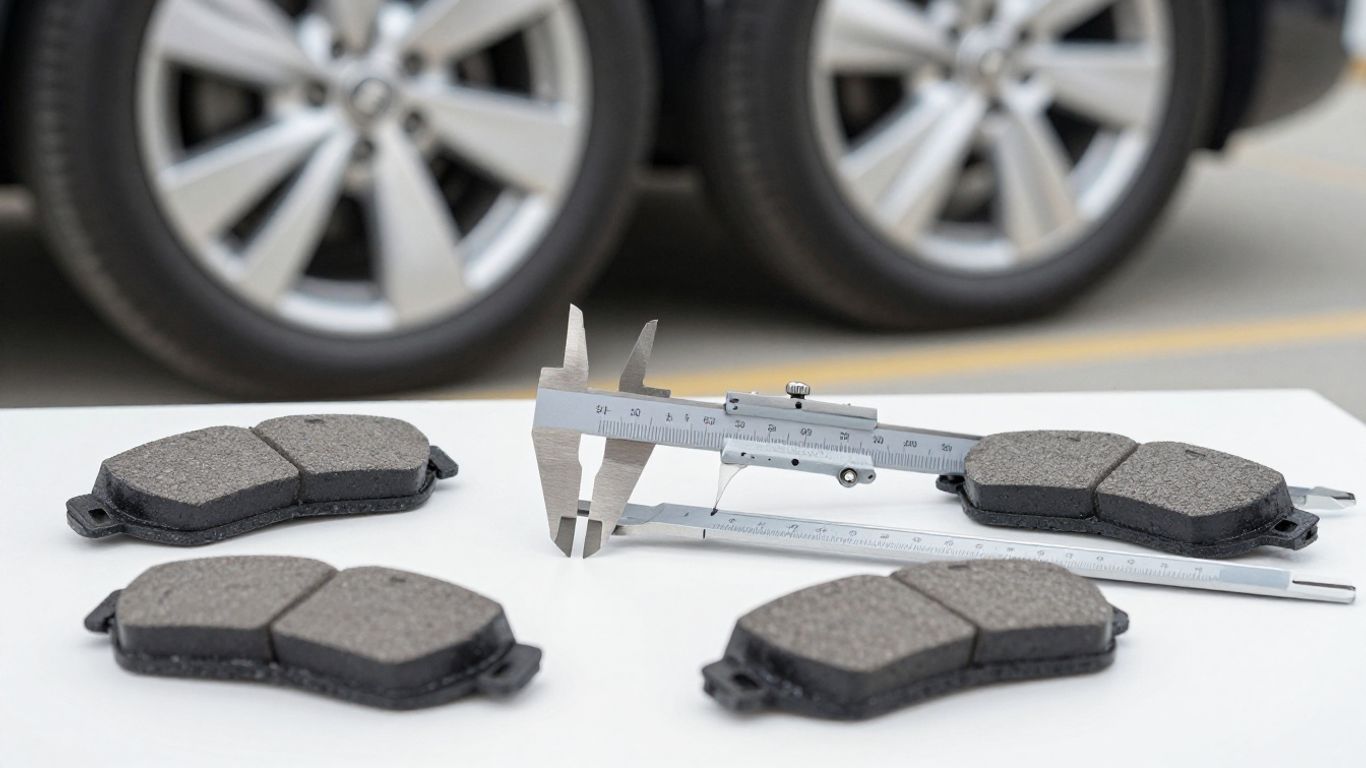
Comparing genuine, aftermarket, and performance pads
Genuine pads are supplied for the vehicle’s original specification, while aftermarket pads are made by other manufacturers and may offer different material choices or pricing. Performance-oriented products can be intended for demanding use, but they are not automatically the best choice for ordinary commuting.
The useful comparison is between documented compatibility, expected operating conditions and supplier support. A cheaper pad that is incorrectly matched, difficult to return or unsuitable for the vehicle is not a genuine saving.
Checking compatibility by model, year, and axle
Start with the full model name, build or compliance year, variant and axle position. Ask whether the quoted set is for the front or rear, and whether the package includes the required hardware. If the vehicle has been modified, imported or produced during a model changeover, provide the VIN to the parts supplier or workshop.
A practical ordering check includes:
- Vehicle model, year and variant.
- Front or rear axle position.
- VIN or registration details where available.
- Pad dimensions, shape and any sensor or hardware requirement.
This small amount of checking can prevent a delayed repair caused by receiving a visually similar but unsuitable part. It also gives the mechanic a better basis for confirming the order before installation.
Understanding pad materials and noise levels
Friction materials can affect dust, noise, pedal response and resistance to heat. Ceramic, semi-metallic and other formulations each have different characteristics, and the quietest option is not necessarily the most suitable for every vehicle or driving pattern.
Noise can also come from glazed surfaces, poor bedding, damaged shims, incorrect hardware or a rotor that needs attention. If quiet operation matters, ask what the supplier documents for that particular application instead of assuming material type alone determines the result.
When brake rotors should be replaced with the pads
Rotors may be reusable if they remain above their minimum thickness and have a suitable, even surface. Deep scoring, cracks, excessive corrosion, heat damage, a pronounced lip or thickness variation can make replacement or machining necessary. The decision should follow measurement and inspection, not a blanket rule.
Replacing pads against badly worn rotors can reduce contact quality and shorten the life of the new friction material. A written quote should state whether rotor inspection is included and what additional work would cost if the parts fail measurement.
Haval brake pad options by popular model
The Jolion, H6 and H9 are often searched when drivers are comparing replacement parts, but model names alone do not establish fitment. Production years, variants and axle applications still need to be checked. Online listings can be useful for research, provided the final selection is confirmed against the vehicle details.
Brake pads for the Haval Jolion
For a Jolion, confirm the build year, axle and variant before ordering. Some listings cover particular year ranges only, so a newer or differently specified vehicle may require another application. The supplier should be able to state exactly which front or rear position the part covers.
A product listing for Jolion front brake pads can be a starting point for comparing an aftermarket application, but the vehicle information should still be checked before purchase. Supply-only parts also need installation by someone familiar with the vehicle’s braking system.
Brake pads for the Haval H6
The H6 has had multiple model generations and specifications, so “H6” is not a complete fitment description. Check whether the part is intended for the relevant generation and year, then verify whether it covers the front axle, rear axle or both.
Some listings describe ceramic pads for selected H6 applications and include details about dust and noise. Those claims apply to the listed application only, so review the fitment notes carefully rather than transferring them to every H6 variant. A useful reference is this guide to H6 brake pad options.
Brake pads for the Haval H9
The H9’s larger SUV format means its braking components should be identified carefully, particularly when the vehicle is used with passengers, cargo or towing equipment. Confirm the axle position and inspect the rotors at the same time as the pads.
For a rear-brake job, a Haval H9 brake quote may help establish what a quoted service includes. It is still sensible to ask whether the price covers only pads or also includes rotor measurement, replacement hardware and any additional work found during inspection.
Confirming fitment for newer and less common models
For less common or newly introduced variants, use the VIN and ask for the exact part number before placing an order. Photos and general model descriptions are weaker evidence than dimensions, application notes and a supplier’s fitment confirmation.
Keep the old pads or packaging until the replacement has been checked. If the vehicle has unusual brakes, modifications or a non-standard import history, a workshop inspection is usually more efficient than guessing from an online catalogue.
How much Haval brake pad replacement costs in Australia
Brake replacement pricing varies by model, axle, pad material, labour rate and whether rotors or hardware also need attention. A low advertised figure may cover pads only, while another quote may include labour, inspection and tax. For context, an independent guide to brake replacement costs can help explain why vehicle type and operating conditions affect the total.
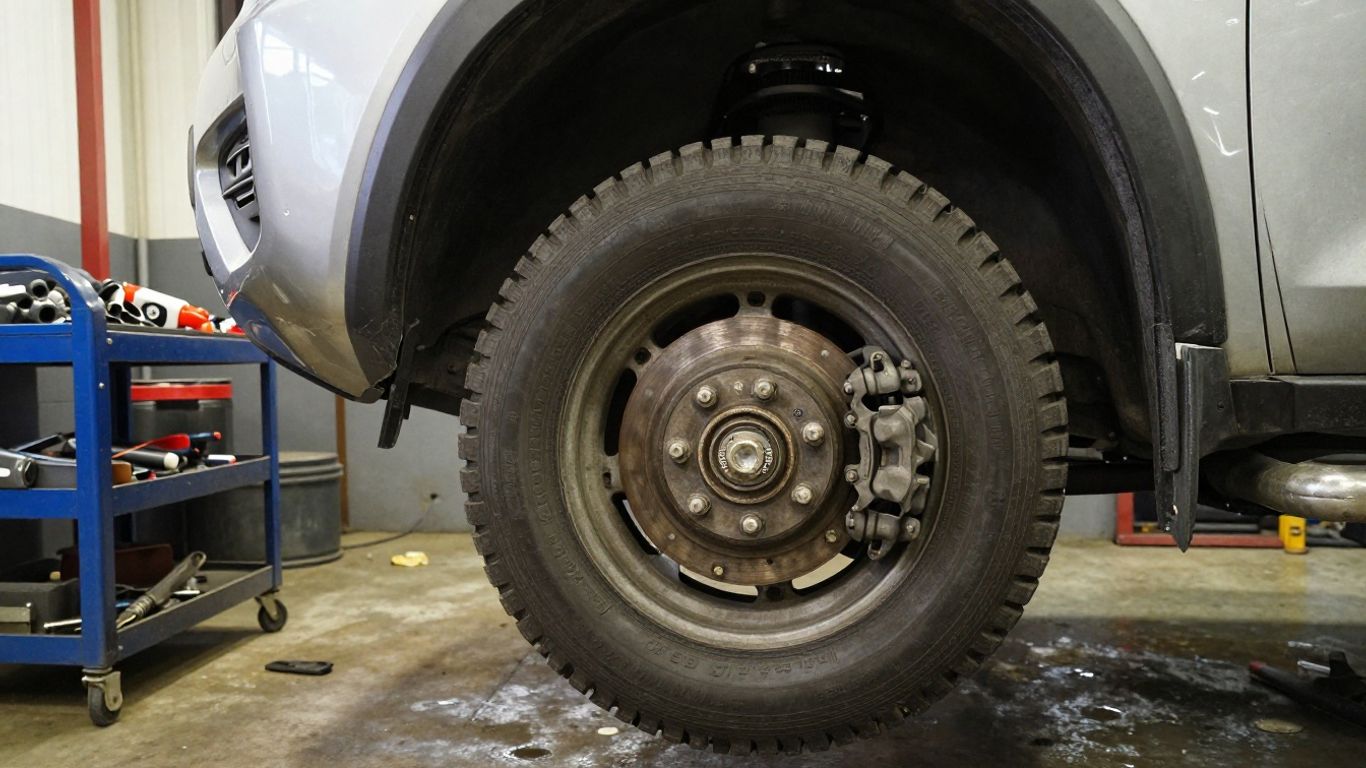
Typical parts and labor price ranges
There is no single Australia-wide price for a Haval brake job. Small differences in pad dimensions, supplier pricing and workshop time can change the result, and replacing one axle is not the same as replacing all four wheels.
| Cost element | What it may include | Why it varies |
|---|---|---|
| Pads | One front or rear axle set | Model, material and supplier |
| Labour | Removal, installation and adjustment | Workshop rate and access |
| Rotors | Inspection, machining or replacement | Thickness, scoring and corrosion |
| Hardware | Shims, clips or wear sensors where applicable | Vehicle design and condition |
The table is best used as a quote-reading guide rather than a promised price. Ask whether the figure covers one axle or both, and whether GST, inspection time and disposal are included.
Factors that increase the total replacement cost
The total can rise when rotors are below minimum thickness, caliper components are sticking, hardware is damaged or corrosion makes removal difficult. Premium friction materials and less common applications may also cost more. A vehicle that has continued driving after grinding may need more than a routine pad change.
The sensible approach is to separate required safety work from optional upgrades. Ask the workshop to explain the evidence for each additional item and to seek approval before proceeding.
Comparing dealership and independent workshop pricing
Dealerships and independent workshops may use different labour rates, parts channels and inspection procedures. A dealership may be familiar with the vehicle’s service information, while an independent brake specialist may offer more flexibility in parts selection. Neither price should be judged without comparing what is included.
For an online option, fixed-price Haval brake quotes can show how parts, labour and GST may be presented together. Treat any quote as specific to the stated work, and ask how newly discovered repairs will be handled.
Getting an accurate quote before booking
Provide the model, year, variant, location and axle position when requesting a quote. Mention symptoms such as grinding, vibration or pulling, because they may indicate that a pad-only price will not describe the eventual repair.
A clear quote should identify the pad brand or specification, the number of wheels covered, labour, GST, rotor treatment and any warranty terms. That detail makes it easier to compare like with like and reduces surprises at collection.
What to expect during a brake pad replacement
A proper brake job includes inspection, installation and a final functional check. The vehicle should not be returned simply because new pads have been fitted; the braking system needs to operate evenly and the wheels need to rotate freely. Good communication also helps the driver understand what was replaced and what can wait.
How mechanics inspect pads, rotors, and calipers
The mechanic will normally check remaining friction material, rotor condition and thickness, caliper movement, mounting hardware and signs of leaks or uneven wear. They may also compare the inner and outer pads, since a sticking caliper can wear one side faster than the other.
The inspection should connect the symptom to the repair. For example, a vibration may require rotor measurements, while a soft pedal may call for a wider hydraulic check rather than a simple pad replacement.
Why brake replacement should be done by axle
Pads on the same axle should generally be replaced as a matched pair so braking remains balanced from side to side. Fitting a new pad on only one side can create uneven friction and inconsistent response. The mechanic should also check both sides even when one pad appears to be the obvious problem.
Replacing both front or both rear pads does not mean all four wheels need new pads. The other axle should be inspected and its condition explained separately.
Bedding in new pads after installation
New pads and rotors need controlled use so their contact surfaces settle together. The workshop may provide a bedding procedure, but it usually involves moderate braking with time between applications rather than repeated harsh stops immediately after collection.
Follow the supplied instructions and allow extra stopping distance during the first part of the drive. Temporary smells or mild changes in pedal response can occur, but persistent noise, pulling or vibration should be reported rather than ignored.
Safety checks before returning the vehicle to the road
Before the vehicle leaves, the mechanic should confirm pedal feel, wheel installation, fluid condition where relevant and the absence of leaks or unusual contact. A short controlled road test can reveal pulling, noise or warning lights that are not obvious while the car is stationary.
The driver should know which axle was serviced, whether rotors were measured or replaced, and when to return for any follow-up inspection. Those details are as useful as the invoice itself.
How to maintain Haval brakes and extend pad life
Brake pads last longest when the driver anticipates traffic and the system is inspected before problems become severe. Maintenance cannot eliminate wear, but it can reduce heat and catch uneven contact early. Keep service records so changes in mileage, usage and symptoms are easier to spot.
Driving habits that reduce brake wear
Smooth acceleration, early observation and gradual deceleration reduce unnecessary heavy braking. On descents, select an appropriate lower gear where safe instead of holding the brake pedal continuously. Avoid carrying unnecessary weight and leave enough following distance to reduce abrupt stops.
Do not coast in neutral on steep roads or treat brake fade as a normal condition. If braking performance changes during a journey, stop in a safe place and arrange assistance rather than continuing to test the vehicle.
Recommended inspection and service intervals
Brake condition should be checked during scheduled servicing and whenever wheels are removed, but the exact interval depends on the vehicle and use. Drivers who tow, travel in hilly areas or spend most of their time in traffic may need more frequent inspections.
Ask for pad thickness, rotor condition and caliper observations to be recorded. A measurement is more useful than a vague statement that the brakes are “getting low,” especially when planning the next service.
Warning signs that require immediate attention
A grinding sound, soft or sinking pedal, strong pull to one side, burning smell, severe vibration or a brake warning light deserves prompt attention. Do not assume a noise will disappear after rain or a few kilometres if it keeps returning.
If the pedal feels unsafe or the vehicle cannot stop normally, avoid driving it to a workshop. Arrange professional assistance and explain the symptoms clearly when booking.
Choosing a qualified Australian brake specialist
Look for a workshop that can confirm parts fitment, inspect the complete braking system and explain additional work before charging for it. It should also provide an itemised invoice and stand behind the work performed. A supplier with access to quality used, genuine and aftermarket parts may help compare suitable options, but the final choice still needs to match the vehicle.
When arranging broader vehicle work, drivers may encounter unrelated online services such as crane truck hire, Australian down quilts, a sexual health panel, BAT.TAXI bookings or the Hubhopper platform. These are not brake services, so keep the focus on a qualified automotive workshop when making a repair decision.
Conclusion
Replacing brake pads is usually straightforward when the vehicle details, axle position and wider brake condition are confirmed first. Compare complete quotes, question unexplained additions and respond quickly to changes in noise, pedal feel or stopping performance. With careful fitment and sensible driving, a Haval’s braking system can be maintained safely across Australian conditions.
Frequently Asked Questions
How often do brake pads need replacing?
There is no fixed distance that suits every vehicle. Traffic, terrain, load, towing and driving style all affect wear, so inspections and measured pad thickness are more reliable than a calendar interval.
Should front and rear brake pads be replaced together?
Not necessarily. Pads should generally be replaced in pairs across the same axle, while the other axle should be inspected and replaced only when its condition requires it.
Can I replace brake pads without replacing rotors?
Sometimes. Rotors may remain in service if they are above the minimum thickness and have an acceptable surface, but scoring, cracks, corrosion or thickness variation can require further work.
What does grinding from the brakes mean?
Grinding can indicate severely worn friction material or damage elsewhere in the braking system. It should be inspected promptly because continued driving may increase stopping risk and repair costs.
Are aftermarket brake pads safe?
Aftermarket pads can be suitable when they are correctly matched to the vehicle and meet the required specification. Fitment, quality, installation and the condition of the rotors all matter.
How much does brake pad replacement cost in Australia?
The price depends on the model, axle, pad type, labour rate and whether rotors or hardware also need work. Request an itemised quote that states exactly what is included.
Can I drive immediately after new brake pads are fitted?
Usually, but the brakes may need a bedding-in period. Follow the workshop’s instructions, allow extra stopping distance initially and report persistent noise, pulling, vibration or unusual pedal feel.