

Key Takeaways
A recycled electronic brake component may be a practical option, but fitment and condition need to be verified before purchase. Use the vehicle details, part information, seller’s terms, and a qualified technician to guide the decision.
- Confirm the exact model, year, trim, part number, and connector configuration.
- Ask about the donor vehicle, inspection and testing, and return or warranty terms.
- Budget for diagnosis, installation, and any required programming or calibration.
- Have a qualified technician inspect the system and verify braking after installation.
- Stop driving and arrange an inspection if warning lights, leaks, or unusual pedal feel appear.
What a recycled Haval electronic brake system includes
The phrase recycled Haval electronic brake system can refer to different parts, depending on the seller’s listing. It may describe a single electronic module or a larger assembly, so the name alone does not tell you what is included. Before comparing prices, identify the exact component and what the seller is supplying with it.
Electronic brake components that may be sold separately
Listings may describe an electronic control module, a hydraulic unit, or an assembly that combines multiple components. A sensor, wiring harness, or connector may be listed separately rather than included with the main part. Read the item description closely and ask the seller to confirm the supplied components in writing.
How the system supports braking and vehicle stability
Electronic brake equipment works as part of a vehicle’s wider braking and control setup. The exact function of a particular unit depends on the vehicle and the part fitted, so it is better not to infer capabilities from a generic listing. A technician can identify the component and explain its role in the vehicle before replacement is considered.
Differences between complete assemblies and individual modules
A complete assembly and an individual module are not interchangeable descriptions. An assembly may include additional hardware, while a module-only listing can leave the buyer responsible for retaining or sourcing other parts. Ask for a clear parts list and, where possible, photographs of the actual item so you can compare what is offered with what is being removed.
How to confirm compatibility with your Haval
Fitment is more specific than a make name or a broad model description. Vehicles from the same model range can vary by year, trim, market, and installed equipment, so a part that looks similar may still be unsuitable. Gather the vehicle and part details before ordering, then have the match checked against reliable parts information.
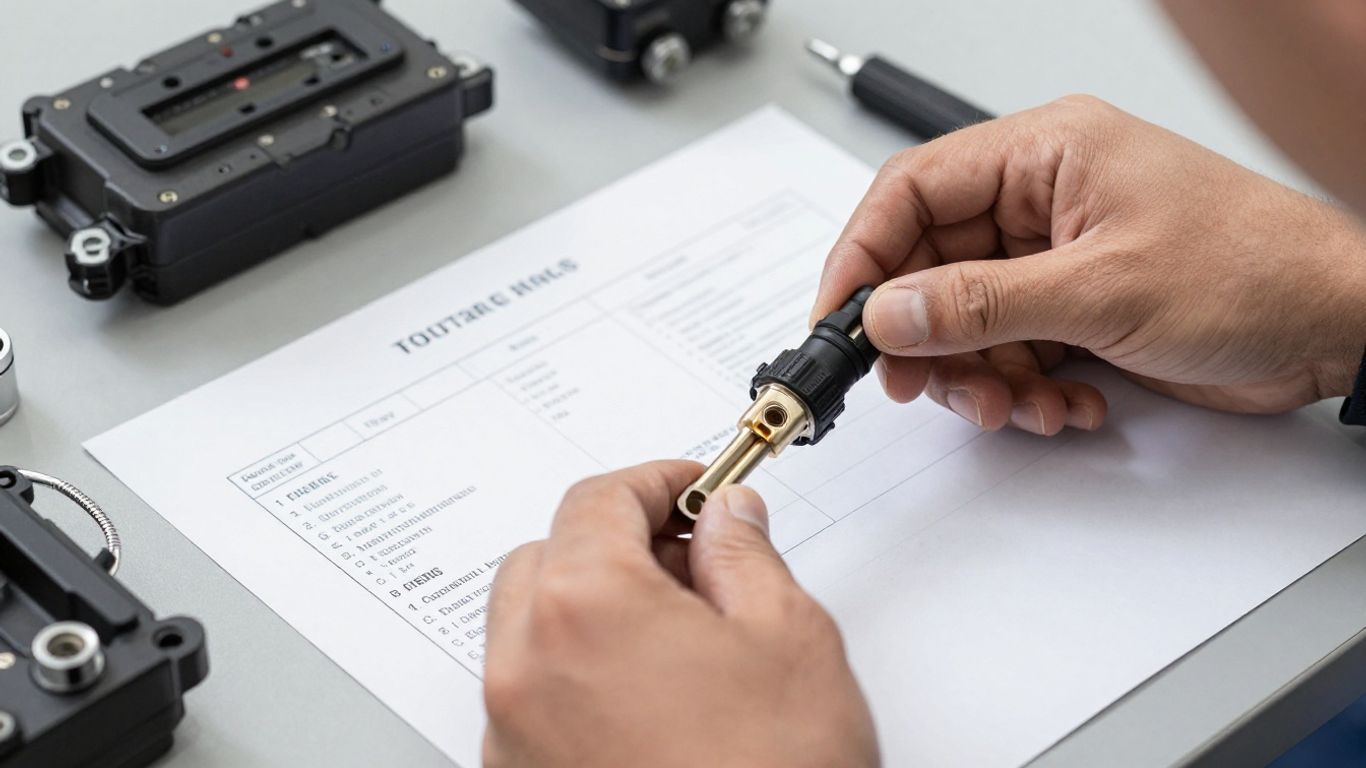
Match the system to the model, year, and trim
Start with the vehicle’s exact model, model year, and trim, along with any relevant engine or drivetrain details requested by the parts specialist. A general article about GWM Haval Jolion specifications can offer vehicle context, but it cannot establish whether a particular brake component fits. Treat model-level descriptions as a starting point, not confirmation.
Check the part number and connector configuration
Compare the number on the original component with the number on the replacement listing. Also check connector shape, pin arrangement, mounting points, and any visible differences, without assuming that a similar casing means the electronics match. A simple comparison can help organize the details that need confirmation:
| Detail to compare | What to record | Why it matters |
|---|---|---|
| Vehicle identification | Model year and trim | Broadens or narrows the fitment search |
| Part number | Number on the original unit and listing | Helps distinguish component versions |
| Connector | Shape and pin arrangement | Reveals visible configuration differences |
| Supplied parts | Module, housing, and included hardware | Clarifies what the price covers |
Use the table as a prompt for questions, not as a substitute for a parts lookup. If a number is missing or unreadable, ask the seller or a qualified parts specialist to verify the match before payment.
Verify compatibility using the vehicle identification number
Give the full vehicle identification number (VIN) to the seller or parts specialist and ask them to confirm fitment for that specific vehicle. A VIN-based check can help resolve differences that a model name alone will not. Keep a record of the confirmation and the part number discussed, especially if the listing uses broad or ambiguous wording.
Account for market-specific and software differences
Vehicles supplied to different markets may not share the same parts or configuration. Electronic components can also involve vehicle-specific software or setup requirements, which are not always obvious from photographs. Searches may bring up unrelated material, including Tesla accessory instructions or Kenworth T480 specifications; neither confirms fitment for this vehicle. Rely on a parts lookup and technician advice rather than visual similarity or an unrelated listing.
How to assess a recycled system before buying
A low price tells you little about a used component’s history or condition. Ask what is known about the donor vehicle, how the item was inspected, and what happens if it proves unsuitable. The answers should be specific enough to help you make a decision before the part is shipped or installed.
Review the donor vehicle’s history and mileage
Ask for the donor vehicle’s year, model, mileage, and reason for dismantling, if available. A seller may not know every detail, but they should distinguish documented information from what is unknown. Mileage is useful context, not a guarantee of remaining service life, so weigh it alongside condition, testing, and the seller’s terms.
Look for damage, corrosion, or signs of water exposure
Inspect clear photographs of the actual component, including its connectors, casing, and mounting points. Look for cracks, bent areas, corrosion, damaged pins, residue, or signs that moisture reached the electronics. If photographs are unclear, request more before buying; a clean exterior alone does not establish that an electronic part works.
Ask how the part was tested and removed
Testing and removal details help distinguish a checked component from one that is merely being sold as used. Before ordering, it can help to get clear answers to a few practical questions:
- Was the part tested before removal, and what did the test involve?
- Is the part shown in the listing the same one that will be shipped?
- Were connectors and mounting points checked for damage?
- What information is available about the donor vehicle?
The answers do not replace a professional inspection, but they make the seller’s description easier to evaluate. If the seller cannot confirm basic details, consider whether the price and return terms justify the uncertainty.
Confirm return terms and warranty coverage
Read the return and warranty terms before paying, including any time limits, exclusions, and requirements for a claim. Confirm whether the terms cover a part that does not fit or fails testing, and whether installation or programming affects coverage. Save the listing, messages, invoice, and any fitment confirmation so the agreed conditions are easy to refer to later.
Safety and professional installation considerations
Brake components affect a safety-critical vehicle system, and a part that physically fits is not automatically ready for service. Installation can involve procedures beyond swapping hardware, depending on the vehicle and component. Arrange for a qualified technician to assess the job before purchase where possible, so the part, labor, and required checks are considered together.
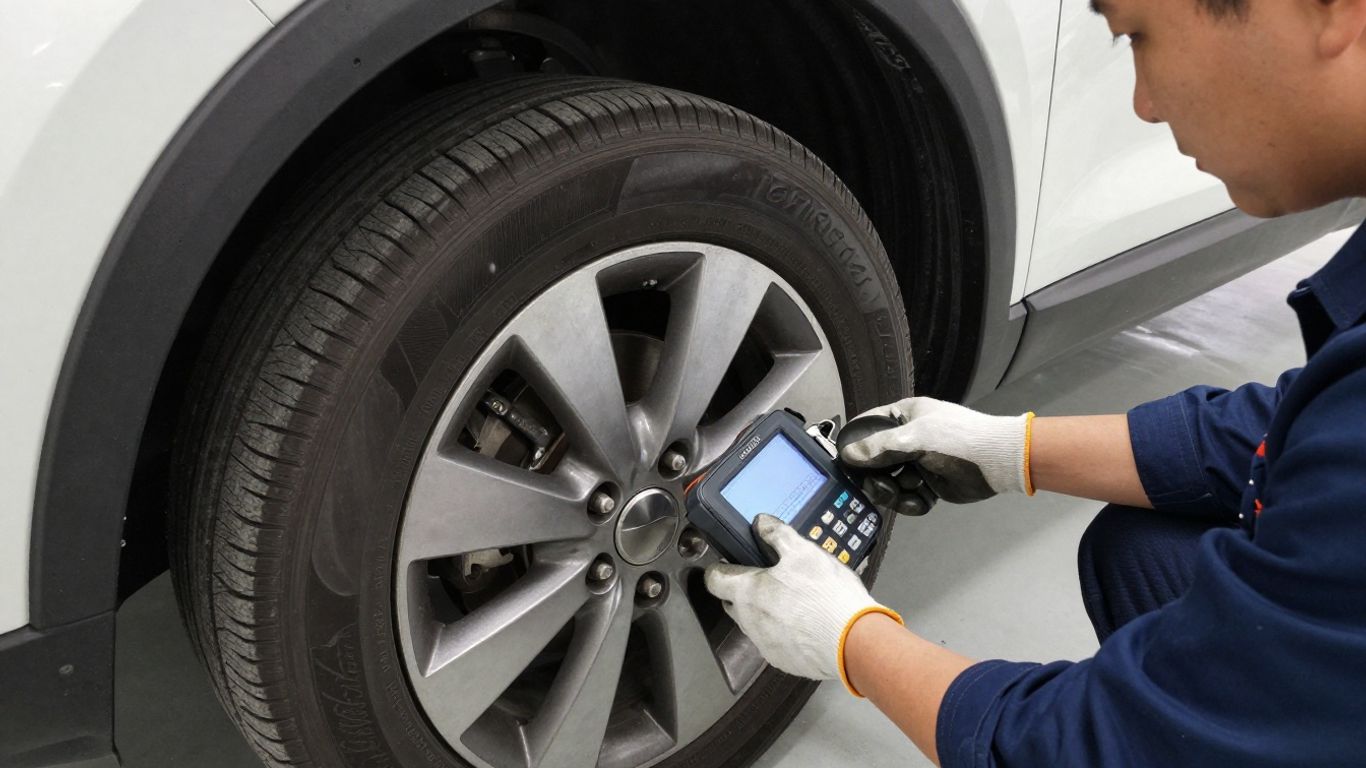
Why brake-system work requires qualified technicians
Brake diagnosis and repair call for appropriate tools, experience, and vehicle-specific procedures. A technician can determine whether the fault is actually in the suspected component or elsewhere in the system, which may prevent replacing a usable part. Do not treat a used assembly as a repair plan until the cause of the original problem has been identified.
Plan for coding, calibration, or programming
Some electronic replacements may require setup or calibration, while requirements vary by vehicle and component. Ask the workshop whether the part needs coding, programming, or a specific initialization procedure, and include that work in the estimate. Avoid assuming that a unit will function correctly simply because it is installed and connected.
The video can provide general context, but it should not replace the vehicle’s service information or professional advice. A workshop familiar with the specific vehicle can confirm what procedures apply and whether it has the equipment to complete them.
Check whether related sensors or components need replacement
A warning or braking issue may involve a related sensor, wiring, connector, or another system component rather than the replacement unit alone. Ask the technician to check associated parts and connections as part of diagnosis. The aim is to avoid fitting another component while the original fault remains unresolved.
Confirm the system passes post-installation checks
After installation, ask the workshop to confirm that relevant diagnostic checks have been completed and that the vehicle behaves normally during appropriate testing. The technician should address warning indicators and any faults found rather than assuming they will clear on their own. Do not consider the job finished until the workshop is satisfied with the result.
Costs and alternatives to compare
The purchase price is only one part of the total cost. A recycled unit may be less expensive upfront, but diagnosis, labor, shipping, programming, and possible follow-up work can change the comparison. Request a written estimate that separates the part from the work needed to fit and verify it.
Weigh the price against a new or remanufactured part
Compare the recycled option with any available new or remanufactured part for the same confirmed application. Make sure each quote describes the same component and includes comparable coverage, rather than weighing a bare used module against a larger assembly. A lower asking price is useful only if the part is correct and the total repair makes sense.
Include diagnostics, labor, and programming in the budget
Ask the workshop to estimate diagnosis, installation, any required setup, and post-installation checks. Shipping and the possibility of a return can also affect the final amount. Reviewing the full scope matters in other kinds of purchasing too, such as comparing web design quotes, though the actual services and risks are different.
Compare used-part warranty length and coverage
Compare warranty duration, exclusions, and claim requirements rather than looking only at the number of days or months. Check whether a warranty covers a defect, an incorrect fitment, or both, and whether the seller requires professional installation. Keep the written terms with your receipt in case you need to make a claim.
Consider whether repair is possible for the original unit
Ask a qualified technician whether the original component can be repaired and whether that option is suitable for the diagnosed fault. The answer depends on the part’s condition, the nature of the failure, and available repair services. A repair quote gives you another point of comparison, but it should be assessed alongside the used-part and replacement options.
Common problems after replacement
A replacement does not automatically resolve every brake warning or drivability concern. If an issue remains, note when it appears and what the dashboard or diagnostic equipment reports, then contact the workshop that completed the work. Do not keep driving simply to see whether a serious symptom goes away.
Recognize warning lights and diagnostic trouble codes
A warning light or stored diagnostic trouble code after installation needs proper interpretation. Record the exact message or code and share it with the technician; a code points to an area for diagnosis and does not, by itself, prove which part has failed. Avoid clearing warnings without finding out why they appeared.
Investigate communication or calibration faults
A communication or calibration fault can have several possible causes, including setup issues, connections, or a component mismatch. Ask the workshop to check the relevant procedures and connections using suitable diagnostic equipment. If unrelated search results offer broader guidance on car-accident asset protection, remember that they do not diagnose a brake-system fault.
Check for leaks, unusual pedal feel, or inconsistent braking
Pay attention to fluid leaks, a pedal that feels different from normal, unusual noises, or braking that seems inconsistent. These symptoms call for prompt professional attention, especially if they begin after work on the braking system. Describe what you noticed and when it started rather than trying to adjust or repair the system yourself.
Know when to stop driving and arrange professional inspection
Stop driving and arrange professional inspection if braking feels compromised, a significant warning appears, fluid is leaking, or the vehicle behaves unpredictably. If the vehicle cannot be moved safely, seek appropriate roadside assistance or recovery. Clear, vehicle-specific advice matters more than general comparisons, including unrelated guides to the extracellular matrix or Simple Maui Wedding; neither is a source for brake diagnosis.
Conclusion
A recycled electronic brake part is worth considering only after its fitment, condition, and terms have been checked and the full installation cost is understood. Confirm the match with vehicle-specific information, ask a qualified technician to assess the repair, and take any warning or change in braking seriously after the work is done.
Frequently Asked Questions
Can a recycled electronic brake system be safe to use?
It may be suitable if the correct part is confirmed, its condition is assessed, and installation and testing are completed by a qualified technician. A seller’s description alone cannot establish that it is safe for a particular vehicle.
What information should I have before asking about fitment?
Gather the vehicle identification number, model year, trim, and the part number on the original component if it is available. Clear photos of connectors and mounting points can also help a parts specialist check the match.
Does a matching part number guarantee compatibility?
A matching number is useful evidence, but fitment may also depend on vehicle configuration, market, or software requirements. Ask a qualified parts specialist to verify the part against the vehicle details.
Should I buy a complete assembly or an individual module?
That depends on what has failed and which parts are required for the repair. Have a technician identify the faulty component, then compare the supplied contents of each listing before choosing.
What should I ask a seller about a recycled part?
Ask about the donor vehicle, mileage if known, testing and removal, the exact components included, and return and warranty terms. Request photographs of the actual part and save written fitment confirmation.
Could a replacement need programming or calibration?
It may, depending on the vehicle and component. Ask the installing workshop to confirm the required procedure and include it in the estimate before purchase.
When should I stop driving after replacement?
Stop and arrange professional inspection if braking feels unusual or inconsistent, a serious warning appears, fluid leaks, or the vehicle behaves unpredictably. If it does not feel safe to move, arrange recovery rather than driving it to a workshop.