
Key Takeaways
Recycled Haval wishbones can be a sensible way to control repair costs, provided fitment and condition are checked carefully.
- Match the wishbone to the exact vehicle, year, position, and drivetrain.
- Inspect the arm, bushings, ball joint, and mounting points before purchase.
- Confirm the supplier’s warranty, return terms, and included hardware.
- Use correct torque procedures and arrange an alignment after installation.
- Monitor handling, noises, and wear once the part is fitted.
Understanding recycled Haval wishbones
A wishbone, also called a control arm, connects the wheel hub area to the vehicle structure while allowing controlled suspension movement. When the part is sound, it helps the wheel follow its intended path as the suspension rises and falls. Recycled Haval wishbones come from previously used vehicles, so their value depends on accurate identification and honest inspection rather than age alone.
What a wishbone does in the suspension system
The arm guides wheel movement and works with bushings, ball joints, springs, dampers, and steering components. Its position affects how the wheel sits under the vehicle and how forces from braking, cornering, and uneven roads are transferred. A bent arm or badly worn joint can therefore cause more than a simple rattle; it may change steering feel and tire wear.
Why owners choose recycled suspension parts
Used suspension components can cost less than new replacements and may be available when a particular part is difficult to source. They also keep a usable component in service rather than sending it immediately for scrap. The saving is worthwhile only when the supplier can verify the part and support it with sensible return terms.
Common Haval models and wishbone variations
A wishbone is not automatically interchangeable across every vehicle carrying the same badge. The Haval H9, for example, is a larger SUV with its own suspension arrangement, while other models may use different arm shapes, mounting points, or joint designs. Treat the model name as a starting point, not as proof of compatibility.
Recycled, reconditioned, and aftermarket parts compared
These descriptions refer to different levels of assurance. A recycled part is generally removed from another vehicle and inspected for resale. A reconditioned part may have selected wear items replaced, while an aftermarket part is newly manufactured by a supplier other than the vehicle maker. Ask what work was actually performed rather than relying on the label.
| Part type | Typical source | What to verify |
|---|---|---|
| Recycled | Removed from a donor vehicle | Inspection method and measured condition |
| Reconditioned | Used part with selected components renewed | Work completed and parts replaced |
| Aftermarket | Newly manufactured replacement | Application, quality control, and warranty |
The comparison is useful because price alone does not explain the difference. A lower-cost recycled arm with clear inspection notes may be preferable to an expensive-looking listing that provides no part number or return policy.
Checking compatibility before you buy
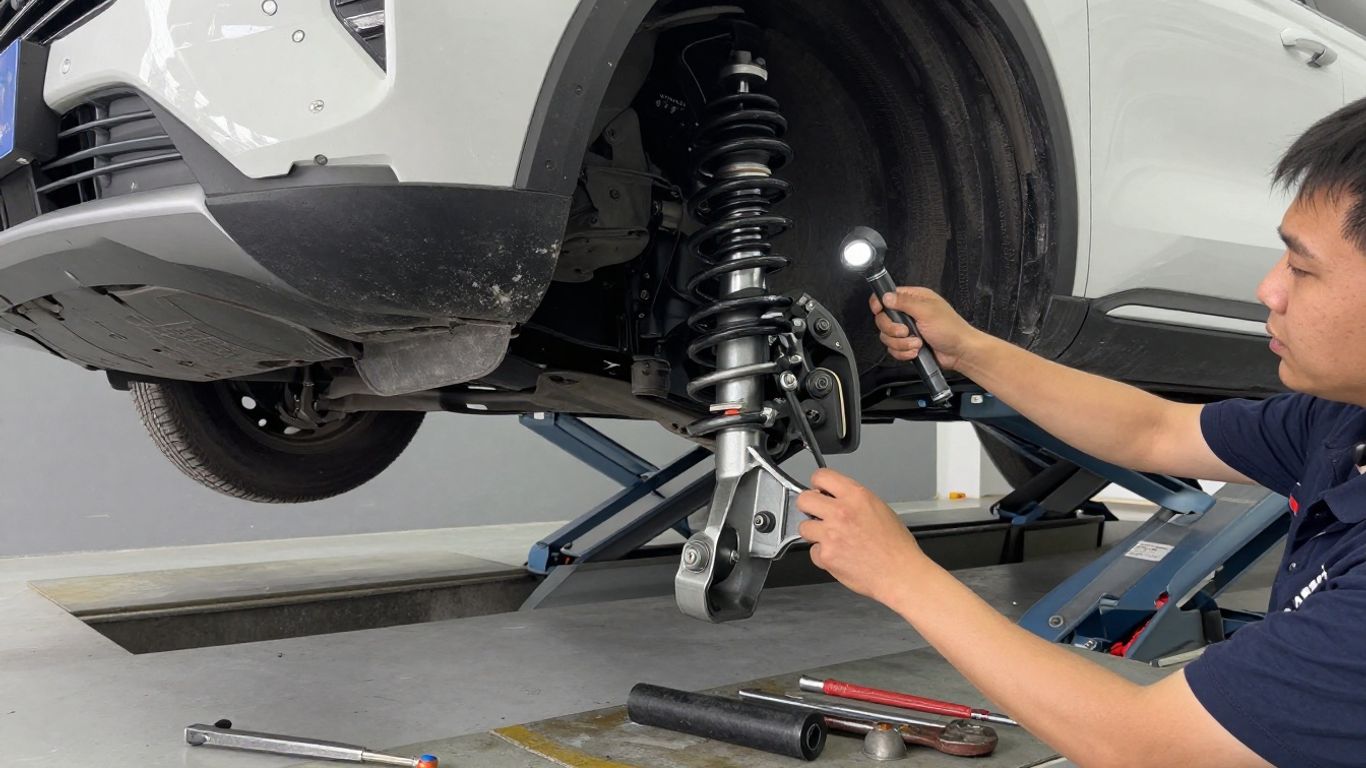
Fitment is the first serious decision in the buying process. Suspension arms can look nearly identical while differing at a mounting hole, ball-joint taper, bushing width, or bend in the forging. Before paying, gather the vehicle details and compare them with the supplier’s listing rather than guessing from photographs.
Matching the exact Haval model and model year
Record the full model designation, model year, engine, and body style. A mid-cycle update can bring changes that are not obvious from the outside, and registration information may not always describe the build date precisely. The Haval H9 should be identified by its exact year and configuration before any arm is ordered.
Confirming front or rear suspension position
A front lower arm is not a substitute for a rear arm, and left- and right-hand parts may not mirror one another perfectly. Confirm the axle, side, and mounting position in writing. If the listing uses a vague phrase such as “suspension arm,” ask for a labeled photograph or a diagram before proceeding.
Using part numbers and vehicle identification numbers
The original part number is often the quickest way to narrow the search, but it still deserves confirmation. Give the supplier the VIN and ask whether the number was checked against that vehicle. Keep screenshots or written messages showing the match, since they can help if the delivered component differs from the advertised application.
Checking differences between trim levels and drivetrain layouts
Trim names can conceal changes in suspension equipment, and front-wheel-drive, all-wheel-drive, or four-wheel-drive layouts may use different components. Do not assume that a part fits simply because the model and year match. Compare mounting geometry, attached joint style, and the supplier’s application notes.
For a broader example of why vehicle-specific fitment matters, a Saris bike rack Fit Finder also asks users to enter make, model, year, and receiver details before suggesting a rack. The principle is the same here: more precise input reduces the chance of an expensive mismatch.
Inspecting the condition of a recycled wishbone
A good inspection looks at the whole assembly, not just the main arm. Dirt can hide damage, and a clean photograph does not prove that a component is straight. If possible, inspect the part in person; otherwise request close images of every mounting point, joint, and bushing.
Signs of cracks, bends, and corrosion
Look along the arm for hairline cracks, flattened sections, impact marks, and distortion around bolt holes. Surface rust may be cosmetic, but deep pitting or corrosion near a load-bearing area is a reason to reject the part. Compare both sides when a matching arm is available, since symmetry can reveal a bend that is hard to spot alone.
Assessing bushings and ball joints
Bushings should not be split, badly hardened, pulled away from their sleeves, or wet with leaked fluid where applicable. Check the ball-joint boot for tears and look for looseness, contamination, or a damaged stud. A supplier should state whether these wear items are original, replaced, or simply not included.
Identifying previous repairs or welds
Unusual weld beads, fresh paint, grinding marks, or heat discoloration can indicate an earlier repair. A professionally documented repair is still something to discuss, but an unexplained weld on a suspension arm deserves caution. The safest choice is usually a straight, undamaged component with a clear history.
Questions to ask the recycler or supplier
A few direct questions can expose gaps in a listing before money changes hands. Ask for the donor vehicle details, inspection process, and measurements where relevant. It is also useful to clarify whether the supplier has checked the arm for play rather than merely removing it from a vehicle.
- What exact model, year, and position does this part fit?
- Were the bushings and ball joint tested or replaced?
- Are there cracks, bends, welds, or significant corrosion?
- What warranty and return period apply after delivery?
The answers should be specific enough to compare with the vehicle and the photographs. Vague assurances are not a substitute for condition notes, especially when the component affects wheel control.
Buying recycled Haval wishbones with confidence
A responsible purchase balances price with evidence. Compare complete listings, not just headline costs, and account for shipping, replacement hardware, fitting, and a possible alignment. A supplier that explains its inspection process may offer better value than one with the lowest initial figure.
Comparing prices, warranties, and return policies
Read the warranty for exclusions, claim deadlines, and labor coverage. Check whether the return period begins on delivery and whether the part must be unused for a return to qualify. A bargain that cannot be returned after a fitment error can quickly become the more expensive option.
Evaluating salvage yard and specialist suppliers
Look for clear photographs, consistent part descriptions, reachable contact details, and a documented grading system. Reviews can provide context, but they should not replace a written fitment confirmation. The same habit used when reviewing London renovation contractors—checking credentials, written terms, and scope—translates well to automotive parts buying.
Confirming included hardware and attached components
Ask whether the listing includes the ball joint, bushings, brackets, bolts, nuts, and dust shields. Some assemblies are sold bare, while others arrive with attached components that affect price and installation time. Photograph the package when it arrives so missing or damaged items are easier to report.
Understanding delivery, packaging, and core exchange requirements
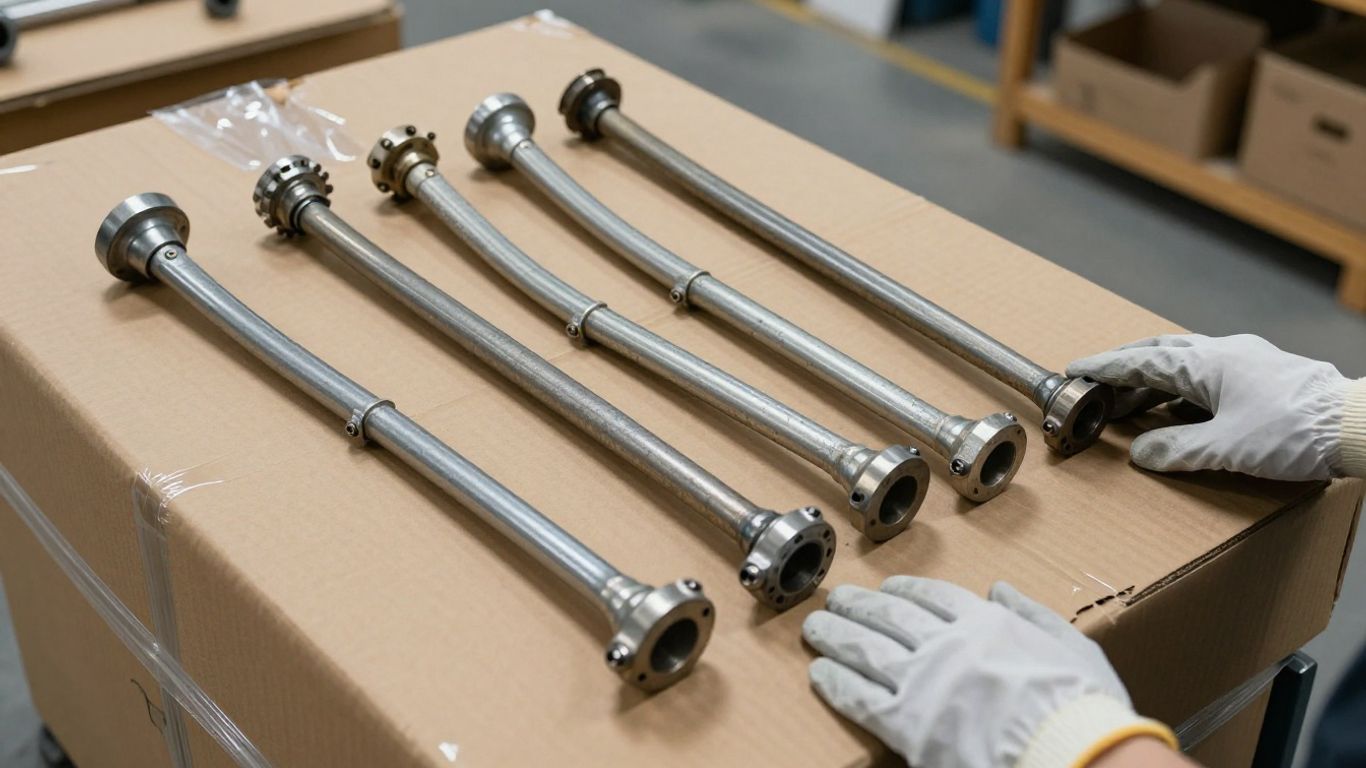
Suspension arms should be wrapped so their machined surfaces and threaded studs cannot damage other parts in the box. Confirm delivery timing, freight charges, and whether the supplier expects a core to be returned. Keep the packaging until the part has been inspected and its fitment is confirmed.
A similar emphasis on clear package contents appears in this bulk suspension assembly listing, although its vehicle application is different. The useful lesson is simply to check what is included, how it is described, and what warranty language accompanies the sale.
Installing recycled Haval wishbones safely
Installation affects the final result as much as the part itself. The vehicle must be supported securely, suspension fasteners must be handled correctly, and the arm should not be tightened in a position that twists its bushings. If the repair involves unfamiliar tools or loaded springs, professional help is the safer route.
When professional fitting is the better option
A qualified technician can identify related damage, support the vehicle properly, and spot a mismatch before the car leaves the workshop. This matters particularly when the arm forms part of a more complex front or rear suspension assembly. Do not work beneath a vehicle supported only by a jack.
Replacing worn bolts, nuts, and bushings
Fasteners exposed to corrosion or damaged threads should be replaced with the correct grade and specification. If a recycled arm arrives with tired bushings, replacing them may make more sense than fitting the assembly as received, provided the arm itself is straight and serviceable. Tightening procedures should follow the vehicle’s repair information.
Checking suspension alignment after installation
Removing an arm can alter toe, camber, or caster depending on the design and mounting points. An alignment check can identify a bent neighboring component as well as confirm the repair. Even when adjustment is limited, the measurement provides a useful record of tire and steering geometry.
Completing road tests and post-installation inspections
Start with a slow check in a safe area and listen for knocks, scraping, or steering changes. After a short drive, inspect the fasteners and look for shifted bushings, damaged boots, or contact marks. Do not continue driving if the vehicle pulls sharply, feels unstable, or develops a new suspension noise.
A short instructional video can help explain the general sequence, but it should not replace the vehicle’s service information or a technician’s judgment. Suspension layouts and tightening procedures vary considerably between models.
Maintaining suspension performance after installation
A recycled component should be treated like any other safety-related suspension part after fitting. Early checks are worthwhile because a problem may appear as a noise or alignment change before visible damage develops. Keep the installation paperwork and part details with the vehicle’s maintenance records.
Monitoring steering, handling, and unusual noises
Pay attention to pulling, wandering, steering-wheel vibration, uneven tire wear, and clunks over bumps. A new symptom does not always mean the wishbone failed; it may point to an installation issue or another worn suspension component. Investigating it promptly prevents a small problem from affecting surrounding parts.
Inspecting bushings and ball joints during servicing
Ask for the bushings and ball-joint boots to be checked during routine service. Look for cracking, separation, looseness, or grease loss, especially if the vehicle regularly travels on rough roads. Early detection gives you more options than waiting until the joint develops obvious play.
Protecting components from rust and road debris
Rinse away salt, mud, and accumulated grit from the underside when practical, while avoiding damage to boots and seals. Do not coat rubber components with products that can degrade them. Corrosion prevention should never conceal cracks, deep pitting, or a damaged fastener.
Knowing when to replace the wishbone again
Replace the arm if it is bent, cracked, deeply corroded, or paired with a joint or bushing that cannot be restored reliably. Repeated alignment problems or persistent movement under braking also deserve a full suspension inspection. Condition, not a guessed service-life number, should guide the decision.
For general due diligence beyond automotive work, readers may recognize the value of an independent inspection from this guide to mold testing and its distinction between testing and remediation. The transferable idea is simple: identify the problem accurately before choosing the remedy.
Conclusion
Recycled Haval wishbones can offer practical value when the exact application is confirmed, the component is carefully inspected, and installation is completed with the same care as a new part. A clear part number, honest condition report, sensible warranty, and post-installation alignment turn a risky guess into a considered repair.
Frequently Asked Questions
Are recycled Haval wishbones safe to use?
They can be safe when the arm is correctly matched, free from structural damage, and inspected before installation. The supplier’s condition information and the installer’s judgment both matter.
How do I know which wishbone fits my vehicle?
Use the full model, year, drivetrain, suspension position, VIN, and original part number. Confirm the match with the supplier before ordering.
Should I replace the bushings on a recycled wishbone?
Replace them if they are cracked, hardened, separated, or otherwise worn. A technician can assess whether renewing them is practical for the particular arm.
Can I install a recycled wishbone at home?
Only if you have the correct tools, secure vehicle supports, reliable repair information, and experience with suspension work. Professional fitting is safer when spring loads or unfamiliar fasteners are involved.
Is a used wishbone the same as a reconditioned one?
No. A recycled or used wishbone is generally resold after inspection, while a reconditioned unit has had specified work or component replacement. Ask what was actually done.
Do I need an alignment after replacing a wishbone?
An alignment check is strongly advisable because removing or replacing an arm can affect wheel geometry. It can also reveal related suspension damage.
What symptoms suggest the replacement is not right?
Pulling, wandering, uneven tire wear, vibration, clunking, or visible movement can indicate a mismatch, installation issue, or another worn component. Stop and arrange an inspection if handling feels unsafe.