

Key Takeaways
Used suspension bushings can save money, but only when their fitment and condition are clear. A careful inspection is more valuable than a low asking price.
- Match the bushing to the exact model, year, axle, and suspension position.
- Inspect rubber, bonded areas, sleeves, and signs of contamination before buying.
- Ask about mileage, storage, previous use, and the reason for removal.
- Compare the part price with pressing, alignment, and possible replacement costs.
- Test the vehicle afterward for noise, looseness, vibration, and tire wear.
Understanding Haval suspension bushings and their role
Suspension bushings are small parts, but they influence how suspension components move and how much vibration reaches the cabin. On a Haval, the right bushing helps keep a joint or arm aligned while allowing controlled flex. Because rubber ages even when a vehicle is parked, condition matters just as much as appearance. This guide focuses on practical checks for anyone considering second hand Haval suspension bushings.
What suspension bushings do
A bushing usually combines rubber or synthetic elastomer with a metal sleeve or mounting surface. It cushions movement between suspension parts, limits unwanted play, and reduces the transfer of road shocks into the body. It is not meant to eliminate all movement; its job is to allow the designed movement while resisting twisting, shifting, and impact.
A worn bushing may still look attached while no longer controlling movement properly. That is why a visual check should be followed by an assessment of looseness and the surrounding components.
Common bushing locations on Haval models
Depending on the suspension design, bushings can be found in control arms, stabilizer-bar mounts, trailing arms, and other links. The exact arrangement varies by model and year, so a bushing removed from one vehicle should not be assumed to fit another. For background on the model’s production and chassis details, the Haval H6 overview can help establish which vehicle version is being discussed.
The location also affects how the part wears. A stabilizer-bar bushing may show different symptoms from a control-arm bushing, while a rear trailing-arm bushing can be difficult to judge without seeing its mounting position.
Symptoms of worn or damaged bushings
Clunking over bumps is a familiar warning sign, but it is not conclusive by itself. Other clues include vague steering, a vehicle that feels unsettled during braking, uneven tire wear, or a change in tracking over rough roads. A vehicle health check is useful when several suspension, steering, and tire issues may be contributing to the same complaint.
Inspect the complete assembly rather than replacing a bushing solely because of one noise. Loose fasteners, worn ball joints, damaged links, and tired dampers can create similar sensations.
How bushing wear affects handling and comfort
When rubber loses resilience or separates from its sleeve, the wheel can move differently under braking, cornering, or acceleration. The driver may notice extra steering correction and a less settled ride. At the same time, excess movement can allow other suspension parts to load unevenly.
Small changes can compound quickly when several bushings are worn together. A vehicle may remain drivable, yet feel increasingly imprecise, especially on uneven surfaces or during lane changes.
Identifying the correct second hand Haval suspension bushings
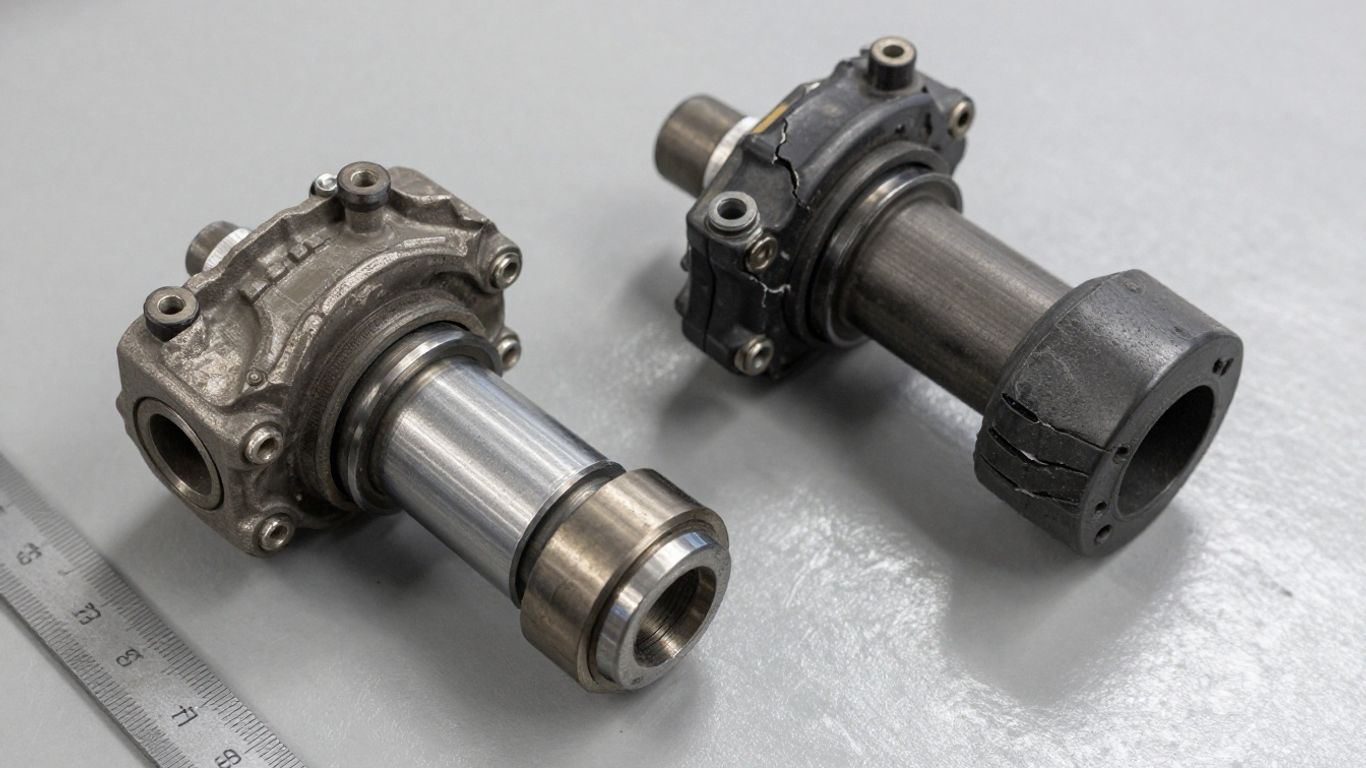
Correct identification comes before price comparison. Similar-looking bushings can differ in outside diameter, sleeve width, offset, rubber shape, and intended position. Confirm the vehicle details and the original part information before treating a listing as suitable.
Matching the bushing to the Haval model and year
Start with the exact model, model year, engine or trim where relevant, and whether the part belongs on the front or rear axle. A seller may use a broad model description even though a mid-generation revision changed the suspension hardware. The Haval name alone is not enough to establish fitment.
Ask for the donor vehicle identification details when available. If the part was removed from a vehicle with a different market specification, verify the catalog information rather than relying on photographs.
Comparing front and rear suspension applications
Front and rear bushings often perform different jobs and are shaped for different loads. Even two parts from the same axle may not be interchangeable between left and right positions. Note whether the listing is for a single bushing, a pair, or a complete arm containing a bushing.
The sway bar bushing information for a Haval H9 is a useful reminder that even a familiar component description can be tied to a particular model and drivetrain specification. Treat such details as application clues, not proof that another vehicle uses the same part.
Checking part numbers and compatibility
Compare the number stamped or molded into the old part with the seller’s number, then confirm dimensions if the numbers do not match. Measure the sleeve length, bore, outer diameter, and overall width with basic calipers where possible. Record the measurements before dismantling the original assembly if access will later be difficult.
A supplier listing that covers several Haval models and unrelated suspension components, such as this aftermarket parts range, should be read carefully. A broad catalog does not establish that one bushing fits every model listed.
When model-specific fitment information is unclear
Pause the purchase when the seller cannot identify the donor vehicle or provide dimensions. A clear photo of the installed position, the old part beside the replacement, and any markings may resolve uncertainty. If the evidence remains incomplete, the safer choice is to compare the used part with a verified catalog listing or ask a suspension technician to identify it.
Do not force a bushing into a position merely because its diameter appears close. Incorrect preload or sleeve width can create rapid wear and alignment problems.
Inspecting used bushings before purchase
Used bushings deserve a slower inspection than most metal parts because rubber can deteriorate internally. Dirt may hide a split, and a clean-looking surface may conceal separation around the sleeve. Ask to inspect the part in strong, even light, with views of every side and the mounting surfaces.
Signs of cracking, splitting, and deformation
Look for radial cracks, deep cuts, torn edges, swelling, and gaps between the rubber and metal. Some fine surface lines may reflect age, but open cracks or exposed reinforcement are stronger reasons to reject the part. Compare both sides of a pair, since an obvious difference in shape or height can indicate uneven loading.
A bushing that has taken a permanent set may appear flattened, pushed sideways, or distorted around the sleeve. Once installed, that deformation can change the intended suspension geometry.
Checking rubber hardness and surface condition
There is no reliable substitute for the correct specification, but a technician can compare the feel of a used part with a known-good example. Rubber that is unusually hard, brittle, sticky, or soft deserves caution. Oil, fuel, and some cleaning chemicals can attack rubber and leave a glossy or swollen surface.
The suspension inspection guidance also reinforces the value of checking for cracks, swelling, and oil contamination across the wider suspension system. A bushing should not be judged in isolation if contamination has reached nearby parts.
Looking for corrosion on metal sleeves
Surface discoloration on a sleeve may be harmless, while deep rust, pitting, or flaking can affect the fit and strength of the part. Check the bore and the edges where the sleeve contacts a bolt or inner mounting surface. Corrosion can also make removal difficult and increase the chance of damaging adjacent hardware.
If the sleeve is loose inside the rubber, ask whether that movement is designed for the application. When the seller cannot answer, have the part checked before installation rather than guessing from a photograph.
Assessing storage history and previous use
Ask how long the part was removed, whether it was stored indoors, and whether it sat in sunlight, heat, moisture, or oil. A bushing removed from a low-mileage vehicle is not automatically good if it was stored badly. Conversely, a clean, well-stored part still carries uncertainty about its prior load and age.
Useful questions include:
- What was the donor vehicle’s mileage and model year?
- Why was the part removed from service?
- Was it stored in a dry, covered place?
- Has it been cleaned with solvent or degreaser?
The answers help establish context, but they do not replace a physical inspection. Treat an incomplete history as part of the purchase risk.
Evaluating the risks and value of used bushings
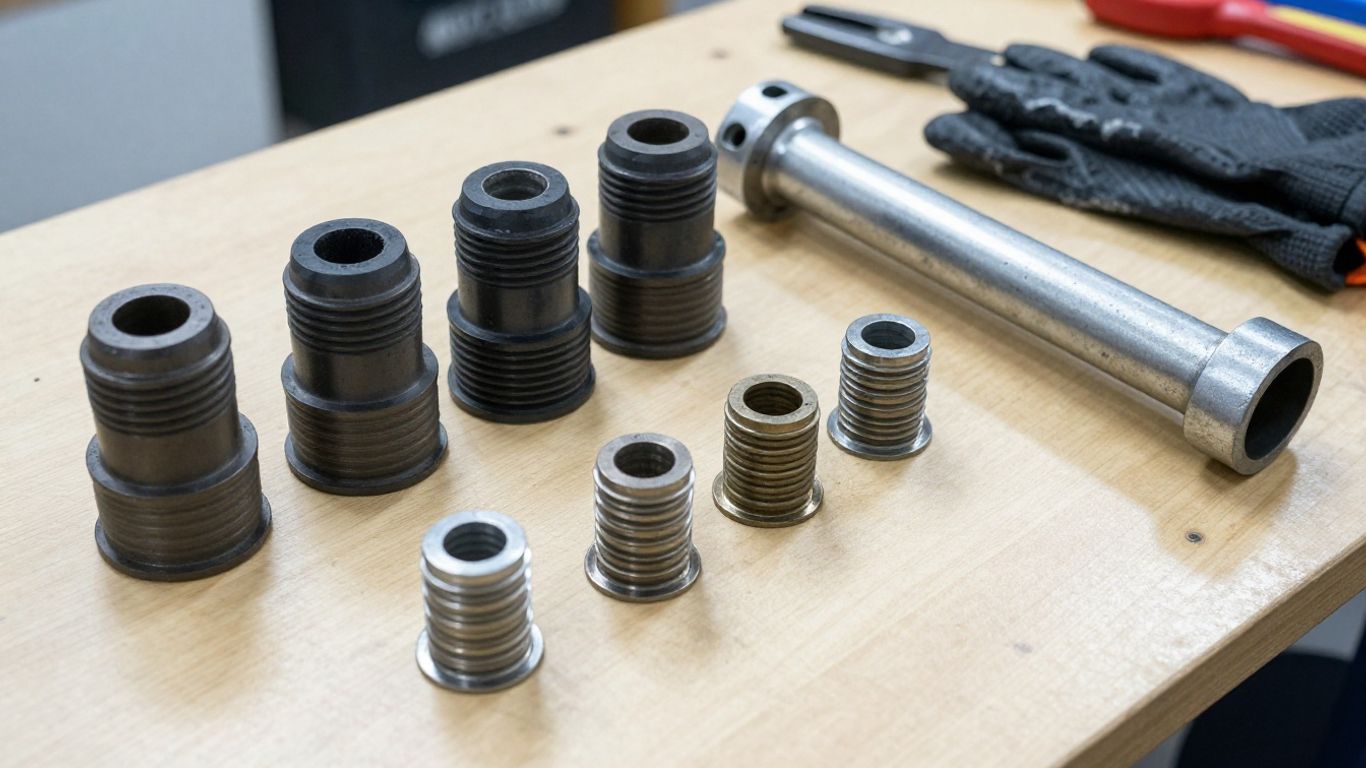
The financial appeal of a used bushing depends on more than its advertised price. Rubber is a wear material, and the remaining service life cannot usually be measured from a listing alone. Compare the likely saving with the cost of fitting the part and the inconvenience of doing the job twice.
How mileage and driving conditions affect lifespan
Mileage gives a rough indication of use, not a guarantee of condition. Frequent potholes, heavy loads, towing, water exposure, dust, and harsh temperatures can accelerate wear. A vehicle used gently on smooth roads may be easier on bushings than a lower-mileage vehicle driven regularly on rough surfaces.
Age matters too. Rubber can harden, crack, or lose elasticity while a vehicle is stationary, particularly when exposed to heat and sunlight. Ask about both time in service and the conditions in which the donor vehicle operated.
Comparing second hand parts with new aftermarket options
A new aftermarket bushing may offer a clearer warranty and a known starting condition, while a used original part may match the vehicle’s factory design more closely. The better value depends on fitment confidence, material quality, availability, and the labor required to install either option. Do not compare only the part prices.
A simple comparison can keep the decision grounded:
| Consideration | Used original part | New aftermarket part | Why it matters |
|---|---|---|---|
| Condition | Must be inspected | Usually consistent when new | Affects remaining life |
| Fitment | Verify donor details | Verify catalog application | Prevents incorrect installation |
| Warranty | May be limited or absent | Often clearer | Reduces financial risk |
| Labor exposure | Same fitting work required | Same fitting work required | Labor can outweigh part savings |
The table makes one point clear: installation cost is shared by both choices. If the labor is substantial, a new part may be sensible even when the used component looks acceptable.
Estimating the cost of installation and replacement
Ask a shop whether the bushing can be pressed separately or whether the complete arm is more practical to replace. The answer depends on access, corrosion, available tooling, and the design of the suspension component. Add the possible cost of new bolts, alignment, and a second repair if the used part fails early.
For a broad cost perspective, this bushing replacement cost guide explains how axle, vehicle, labor, and repair approach can change the final bill. Use any published range as a planning aid, not a fixed quote for your vehicle.
When a low price may indicate hidden problems
A very low price can reflect a quick clearance sale, but it can also mean the seller has not tested or inspected the part. Missing sleeves, torn rubber, unknown provenance, and poor storage are common reasons to discount a used component. Shipping damage is another concern when the rubber is compressed or the part is packed loosely.
Before paying, calculate the total delivered cost and decide what evidence would justify the risk. If the saving is small compared with fitting labor, the used part may not be the economical option.
Buying second hand Haval suspension bushings safely
A safe purchase is built around evidence, not optimistic descriptions. Keep the conversation in writing and save the listing, photographs, measurements, and agreed return terms. That record is useful if the received part differs from what was advertised.
Questions to ask the seller
Ask for the donor model, year, mileage, suspension position, and reason for removal. Confirm whether the sale includes one part, a pair, or a complete assembly. Also ask whether the item has been exposed to oil, water, heat, or prolonged outdoor storage.
Vague answers are not proof of dishonesty, but they reduce confidence. A seller who can provide consistent details and close-up photographs gives you a better basis for deciding.
What photos and measurements to request
Request clean images of the front, rear, sides, sleeve, bore, and any molded or stamped numbers. Ask for a ruler or caliper in the photograph so scale can be checked. If the bushing is directional, request a view that shows its offset and alignment marks.
Measurements should include the bore, outside diameter, width, sleeve length, and any relevant flange or shoulder dimensions. Compare those figures with the old part or a trusted parts reference before ordering.
Checking return policies and seller reliability
Read whether returns are accepted for incorrect fitment, undisclosed damage, or simply a change of mind. Check who pays return shipping and whether the part must remain unused. A policy that excludes all fitment disputes is a reason to verify the part more thoroughly before purchase.
Look for consistent descriptions, clear photographs, and a history of responding to questions. Payment protection may help, but it cannot turn an unidentified part into a verified one.
Avoiding mismatched or incomplete parts
Before installation, compare the received item with the listing and the original component. Check the number of pieces, sleeve position, orientation, and included hardware. Do not discard the packaging until fitment has been confirmed.
Be cautious with listings that combine several model names without stating the precise application. The same visual shape can hide a different rubber compound, offset, or sleeve dimension, and those differences matter once the suspension is loaded.
Installing and testing replacement bushings
Installation is the point where a seemingly good purchase proves whether it was correct. Work from a stable, safely supported vehicle and follow the service information for the specific suspension layout. If the job requires removing a loaded spring or pressing a bushing from an arm, use suitable equipment rather than improvising.
Preparing the suspension for removal
Record the original orientation of eccentric washers, sleeves, and directional bushings before disassembly. Clean the surrounding area so cracks and corrosion are easier to see, then inspect bolts, nuts, brackets, and the arm itself. Replace damaged fasteners or distorted mounting hardware rather than building the repair around them.
Support the vehicle correctly and never rely on a jack alone. Photographing the assembly before removal can also prevent confusion when a part has an offset or a specific installation direction.
Why professional pressing and alignment may be necessary
Some bushings are interference-fit and need a press, correctly sized adapters, and careful support of the arm. Hammering on the wrong surface can damage the sleeve, distort the housing, or install the bushing off-center. A professional shop can also identify whether the arm is too corroded or damaged to reuse.
Wheel alignment may be necessary after suspension work, particularly when an arm or link has been removed. The CV boot repair guide is unrelated to bushing fitment but illustrates the same practical principle: a temporary-looking repair and a proper component replacement are not always equivalent. Keep the repair scope clear rather than substituting one suspension task for another.
After pressing, allow the technician to confirm orientation and seating before the arm returns to the vehicle. Incorrect positioning can preload the rubber and shorten its life.
Replacing related worn suspension components
A new or used bushing cannot correct a worn ball joint, bent arm, damaged stabilizer link, leaking damper, or loose fastener. Inspect nearby components while access is available. Replacing one isolated part may be reasonable, but only after checking whether the other side or related mounting points show similar wear.
Avoid replacing parts as a blind set. The best repair addresses the actual source of movement and accounts for the vehicle’s alignment and tire condition.
Testing for noise, vibration, and uneven tire wear
Start with a slow road test on a familiar route. Listen for knocks over small bumps, feel for steering correction, and notice whether the vehicle brakes and accelerates without wandering. Then inspect the tires for fresh or worsening uneven wear after the test drive.
A short video guide can help refresh the general inspection sequence, but it cannot replace model-specific service information or a hands-on diagnosis. If noise remains, recheck fasteners, seating, adjacent joints, and alignment rather than assuming the replacement bushing is defective.
Conclusion
Second hand Haval suspension bushings can be worthwhile when the exact application is confirmed, the rubber and sleeve are carefully inspected, and the total repair cost makes sense. When the part’s history or fitment is uncertain, paying more for a verified new component may be the safer decision.
Frequently Asked Questions
Can used suspension bushings be reliable?
They can be, especially when their age, donor vehicle, storage, and condition are known. Reliability remains uncertain when the rubber is cracked, contaminated, deformed, or impossible to identify.
How do I know which bushing fits my vehicle?
Confirm the exact model, year, axle, suspension position, part number, and dimensions. Do not rely on a similar appearance or a broad model description alone.
Should bushings be replaced in pairs?
Replacing them in pairs can help keep the suspension response consistent, but the correct approach depends on the design and the condition of the opposite side. Inspect both sides before deciding.
What does a cracked bushing mean?
A deep crack, open split, exposed sleeve, or separation from the rubber is generally a strong reason not to use the part. Minor surface lines need to be judged alongside age and overall elasticity.
Do suspension bushings affect wheel alignment?
Worn or incorrectly installed bushings can allow suspension movement that changes alignment under load. Alignment should be checked when the repair involves an arm, link, or geometry-related mounting point.
Is pressing a bushing difficult?
Some bushings require specialized pressing tools and careful support. A technician is often the safer choice when access is limited, corrosion is present, or the component contains a loaded spring or directional mount.
What should I do if a replacement still makes noise?
Stop treating the bushing as the only possible cause. Recheck installation, fasteners, sleeves, nearby joints, dampers, stabilizer links, tires, and alignment, then arrange a professional inspection if the source is not clear.