

Key Takeaways
A used starter can be a sensible repair, but only when its fit and condition are verified before money changes hands.
- Match the starter with the exact Haval model, year, engine, transmission, and drivetrain.
- Use the VIN and original part number to confirm compatibility.
- Inspect the casing, terminals, mounting points, solenoid, and signs of heat or fluid damage.
- Compare the full cost of a used unit with rebuilt and new alternatives.
- Install carefully, then address battery, charging, wiring, or engine faults that could shorten its life.
Understand Haval starter compatibility before buying
A starter motor may look nearly identical to another unit while having different mounting points, electrical connections, or internal specifications. Before searching for second hand Haval starters, gather the vehicle’s complete identification details rather than relying on a broad model name. This small amount of preparation can prevent a costly return and a second repair appointment.
Match the starter to your Haval model and year
Start with the exact model designation and production year shown in the registration or service documents. Model names can cover several generations, and a mid-cycle change may bring a different starter even when the body appears unchanged. Ask the seller for fitment information tied to your specific vehicle, not simply confirmation that the part came from “a Haval.”
Check engine size, transmission, and drivetrain
Engine size is only one part of the match. Automatic and manual transmissions may use different starter arrangements, while drivetrain variations can affect access, brackets, or related wiring. Record the engine code if it is available, and compare the connector position and mounting pattern with the starter already fitted.
Use the VIN and original part number
The VIN is the most useful reference when catalog listings are incomplete or inconsistent. Photograph the old starter’s label before removal and write down every visible number, including superseded numbers where shown. Confirm the complete fitment with the seller before ordering, especially if the listing uses a generic description.
Identify differences between genuine and aftermarket units
A genuine unit may carry the vehicle maker’s markings and an original supplier number, while an aftermarket unit may use a different brand and packaging. Neither label alone proves that a starter is suitable or reliable. Compare the mounting flange, gear, terminal arrangement, and stated specifications, and ask whether the part is used, rebuilt, or new.
Know where to buy second hand Haval starters
The best source depends on how much evidence you want before purchase and how quickly the vehicle needs to return to service. Dismantlers may provide a part removed from a known vehicle, while online sellers can make price comparisons easier. Whichever route you choose, prioritize traceable fitment information and a clear return arrangement.
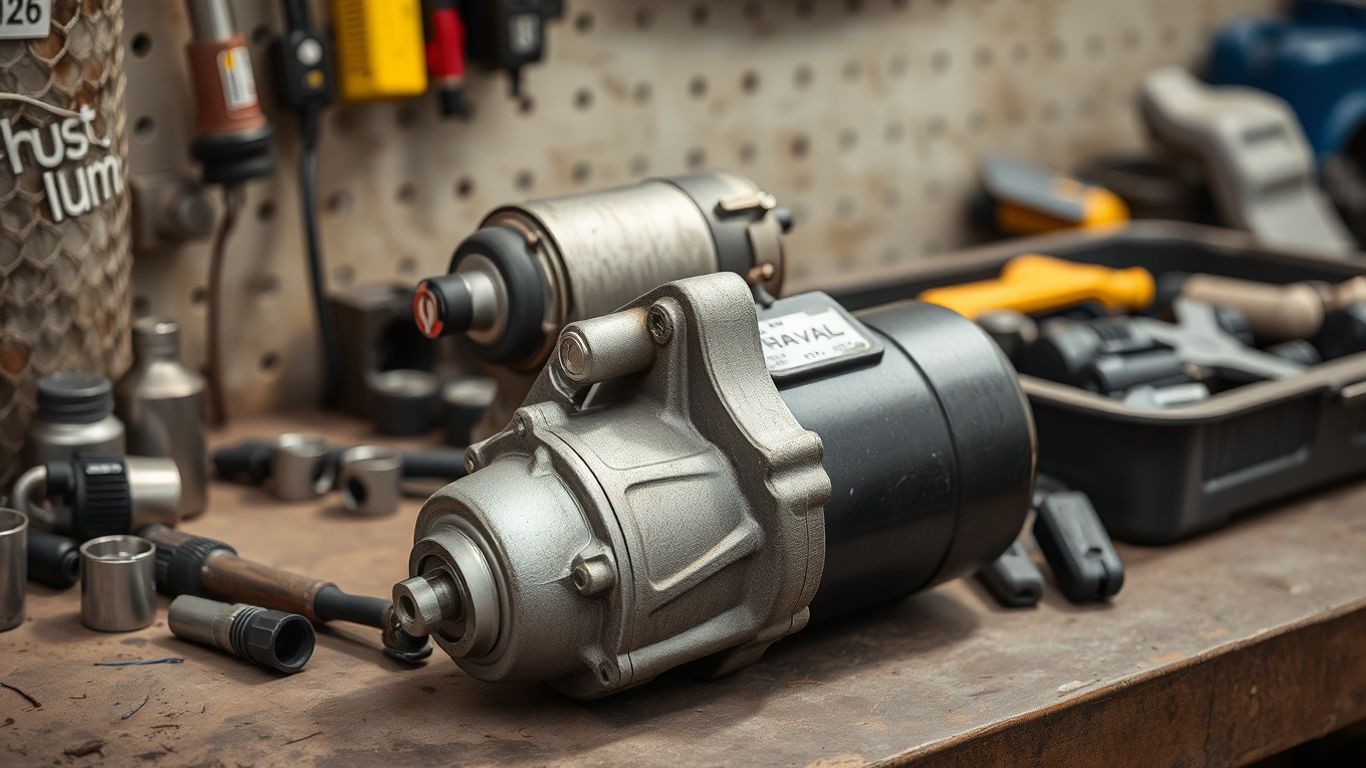
Salvage yards and vehicle dismantlers
A dismantler can often tell you the donor vehicle’s model, year, mileage, and reason for dismantling. That history is useful, although it does not replace a bench test. Inspect the part in person when possible, or request clear photos of the label, gear, terminals, and mounting face before agreeing to buy.
Online marketplaces and specialist parts sellers
Online listings offer a broad way to compare stock, locations, and asking prices. For buyers in China, Partfinder China describes a service that lets customers enter Haval details, search supplier stock, and receive price quotes. For a Haval Jolion in the UAE, Partfinder UAE describes connections with dealers offering new and used starter motors and delivery options.
Treat online photographs as a starting point, not proof of condition. A listing that includes the exact part number and a testing statement is more useful than one with only a polished product image.
Used-parts suppliers and auto electricians
Used-parts suppliers and auto electricians can add practical advice because they see common wiring and starting faults. A local technician may also test your battery and charging system before you buy a starter, which helps avoid replacing a healthy motor for a weak electrical fault. In Auckland, HAVAL auto electricians are described as handling diagnostic and repair work across Haval models, with new, second-hand, and non-genuine parts available.
Questions to ask the seller before purchase
A few direct questions reveal whether the seller has actually handled the part. Ask for the donor vehicle details, the original number, a test result, and the terms if it fails after installation. It is also worth keeping your research organized; even an unrelated simple blog guide can be a reminder that clear records make later comparisons easier.
Before payment, confirm these points in writing:
- Exact model, year, engine, and transmission fitment.
- Original or replacement part number and connector configuration.
- Whether the solenoid and motor were tested together.
- Warranty period, return window, and buyer-paid shipping terms.
That written exchange gives you something concrete to check when the parcel arrives, rather than relying on a vague marketplace description.
Inspect a used Haval starter motor
Inspection should happen before installation, when returning a questionable unit is still straightforward. A starter can be dirty from storage without being defective, but cracks, loose terminals, or damaged gears deserve more caution. Use the old part as a visual reference and do not force a mismatch into place.
Check the housing, terminals, and mounting points
Look for cracks in the aluminum housing, bent mounting ears, damaged threads, and missing support brackets. The terminals should be firm, with studs that are not twisted or excessively corroded. Compare the nose shape and gear position with the removed unit, since a small difference can stop the starter from engaging correctly.
Look for signs of water, oil, or heat damage
White corrosion, muddy residue, and rust around seams can indicate water exposure. Heavy oil deposits may point to an engine leak that has contaminated the starter, while blueing, blistered insulation, or a strong burnt smell suggests overheating. Surface dirt is manageable; evidence of prolonged fluid or heat exposure is a reason to negotiate or walk away.
Test the solenoid and starter motor operation
A proper bench test should check both the solenoid and the motor under suitable power, with the unit secured safely. The solenoid should engage cleanly, and the pinion should extend without hesitation or harsh noise. A no-load spin alone is not enough to prove that the motor can crank an engine.
A video demonstration can help a first-time buyer recognize the sound and movement of a basic starter test. Still, the seller’s test method and results matter more than a short clip, so ask what equipment was used and whether the unit was tested under load.
Confirm the unit has not been rebuilt or modified improperly
Some sellers describe a starter as used when it has actually been opened, repaired, or fitted with mixed components. Ask whether brushes, bearings, the solenoid, or the drive gear were replaced, and whether the work was documented. Modified wiring, mismatched fasteners, damaged seals, or non-standard repairs should be treated as warning signs unless a reputable rebuilder can explain them.
Compare pricing and overall value
The cheapest listing is not automatically the least expensive repair. A low-priced starter that fails after installation can add labor, towing, shipping, and diagnostic costs. Compare the part’s condition and support terms alongside the headline price.
Factors that affect second hand starter prices
Price usually reflects demand, availability, donor mileage, condition, testing, and whether the seller offers a warranty. A rare application may cost more simply because fewer usable units are in stock. Shipping distance and the difficulty of returning a heavy electrical component can also change the real value.
Compare used, rebuilt, and new replacement options
A used starter may suit a tight budget when its history and test status are credible. A rebuilt unit can cost more but may include renewed wear components and a defined warranty, while a new replacement offers another route when used stock is uncertain. Compare equivalent coverage and fitment rather than placing every option in one simple price ranking.
| Option | What to verify | Main risk | Best fit |
|---|---|---|---|
| Used | Donor details, test result, exact number | Unknown remaining wear | Budget-conscious repair with a good return policy |
| Rebuilt | Replaced components and warranty | Variable rebuild quality | Vehicle that needs more predictable support |
| New replacement | Supplier, specifications, warranty | Higher initial price | Long-term ownership or scarce used stock |
The table is a starting framework, not a guarantee of service life. A tested used unit with a real return policy may be better value than an unverified bargain, while a rebuilt or new unit may make more sense when installation labor is high.
Include shipping, testing, and installation costs
Add every cost before deciding: delivery, core charges, bench testing, shop labor, and any new cable or fastener that the installation requires. If the starter is difficult to access, labor can outweigh the price difference between two parts. A nearby supplier may be the better choice even when its listed price is slightly higher.
Evaluate warranty and return policies
Read the warranty for exclusions, testing requirements, and the period that begins on purchase or delivery. Confirm whether the seller accepts a return after installation if the unit is demonstrably faulty, and ask who pays return freight. Keep the receipt, listing, messages, and installation invoice until the starter has proved reliable.
Install and troubleshoot the replacement starter
Starter replacement involves high-current wiring and often limited access beneath the vehicle. If the location is unfamiliar or the vehicle must be lifted, a qualified technician is the safer choice. The basic sequence is straightforward, but careful isolation and labeling prevent avoidable mistakes.
Prepare the vehicle and disconnect the battery
Park on a level surface, apply the parking brake, and allow hot components to cool. Disconnect the negative battery cable first, then secure it so it cannot spring back against the terminal. If the vehicle must be raised, use correctly rated stands and follow its lifting points; never rely on a jack alone.
Remove the faulty starter safely
Locate the starter and photograph the cable routing before disconnecting anything. Remove the electrical connections only after confirming the battery is isolated, then support the starter while removing its mounting bolts. Some units are heavier than they look, and dropping one can damage wiring or nearby components.
Install and connect the replacement unit
Compare the replacement with the old starter one last time before fitting it. Seat it squarely against the mounting surface, tighten fasteners evenly to the manufacturer’s specification, and reconnect each cable to the correct terminal with clean, secure contact. Reconnect the battery only after tools are clear and all connections have been checked.
Diagnose clicking, grinding, or slow cranking
A single click with no crank can point to a weak battery, poor cable connection, solenoid issue, or starter fault. Grinding may indicate incorrect engagement, damaged teeth, or a starter that is not seated properly, while slow cranking often begins with battery voltage, ground straps, or charging-system checks. Stop repeated attempts if cables heat up or the sound becomes severe.
Extend the life of a replacement starter
A replacement starter does not operate in isolation. It depends on a healthy battery, low-resistance cables, correct engine operation, and a charging system that restores battery capacity. A few routine checks can reduce repeated starting strain and help reveal a wider fault.
Maintain the battery and charging system
Keep the battery charged and have it tested if cranking becomes sluggish, especially after cold weather or long periods parked. Check that the alternator charges within the vehicle maker’s specified range rather than assuming a new battery solves everything. Repeated low-voltage starts place unnecessary demand on the starter and solenoid.
Keep electrical connections clean and secure
Inspect the battery terminals, ground strap, positive cable, and starter terminals for looseness or corrosion. Clean contacts using appropriate procedures, then tighten them without damaging studs or housings. A clean connection reduces resistance and can prevent symptoms that look like a failing motor.
Address oil leaks and engine starting problems
Repair oil or coolant leaks that reach the starter, because contamination can damage insulation and moving parts. If the engine needs unusually long cranking to start, diagnose the fuel, ignition, or engine-management problem rather than repeatedly holding the key. The starter should start the engine, not compensate for another fault.
Recognize early signs of starter failure
Watch for intermittent clicks, slower-than-usual cranking, free-spinning, or a brief grinding sound. These symptoms may come from the starter, but battery and cable checks should come first. Arrange testing early, before a marginal unit leaves the vehicle unable to start away from home.
Conclusion
Finding second hand Haval starters is less about choosing the lowest price and more about matching the correct unit, checking its condition, and understanding the total repair cost. Verify the VIN and part number, ask for meaningful test evidence, and install the replacement with the battery and wiring safely isolated. That process gives a used part the best chance of becoming a dependable repair.
Frequently Asked Questions
Can I use any starter motor from the same Haval model?
No. Starters can vary by year, engine, transmission, drivetrain, and part-number revision, so confirm the full vehicle details before buying.
What information should I send a used-parts seller?
Provide the VIN, model and year, engine information, transmission type, drivetrain, and a photo of the original starter’s label and connectors.
Is a used starter better than a rebuilt one?
Neither is automatically better. A tested used unit may cost less, while a rebuilt unit may offer renewed components and a clearer warranty; compare evidence, coverage, and total cost.
How can I tell whether a starter has been tested?
Ask what was tested, whether the solenoid and motor were checked together, whether load testing was performed, and whether the seller can provide a dated result or video.
Why does a replacement starter only click?
The cause may be a weak battery, poor cable or ground connection, a solenoid problem, or a faulty starter. Test the battery and connections before condemning the replacement.
Should I disconnect the battery before removing a starter?
Yes. Disconnect the negative terminal and secure it away from the post before touching the starter’s high-current cables.
How long can a second-hand starter last?
There is no reliable universal lifespan because remaining wear, donor history, rebuild quality, battery condition, and starting habits all vary. A warranty and proper testing reduce purchase risk but cannot promise a specific service life.