

Key Takeaways
A used fuel pump can be a sensible repair when its specification and condition are verified carefully. The safest purchase starts with exact fitment details and ends with a leak-free installation.
- Match the pump to the vehicle, engine, fuel type, and part number.
- Distinguish an in-tank delivery pump from a high-pressure injection pump.
- Ask for mileage, testing details, storage history, and return terms.
- Compare the complete repair cost, not only the listed part price.
- Replace seals and filters where appropriate, then prime and inspect the system.
Understand Haval fuel pump types and compatibility
A fuel pump is not identified by appearance alone. The correct choice depends on where it sits in the fuel system, what fuel the engine uses, and how the electrical and fuel connections are arranged. Before searching for used Haval fuel pumps, record the vehicle identification number, model year, engine code, and the number stamped on the original component.
In-tank fuel pumps versus high-pressure pumps
Most modern fuel systems use more than one stage of fuel delivery, so the phrase “fuel pump” can describe different parts. An in-tank unit commonly draws fuel from the tank and sends it toward the engine, often as part of a larger module containing a sender and strainer. A high-pressure pump serves a different role and must be matched to the injection system rather than substituted with a low-pressure in-tank unit.
The two components can look unrelated and have very different pressure requirements. Confirm which pump the vehicle needs before discussing price with a seller. A complete assembly may also include a motor, housing, level sensor, pickup sock, and pressure regulator, while another listing may offer only the pump motor.
Petrol and diesel fuel system differences
Petrol and diesel systems should be treated as separate applications. Petrol engines generally use a low-pressure supply system feeding injectors, although the exact arrangement varies by engine. Diesel systems can involve a high-pressure injection pump and tighter cleanliness requirements, so a used diesel component deserves especially careful inspection for contamination and correct calibration.
Do not rely on a listing that says only “fuel pump.” Confirm the fuel type, pressure range, connector arrangement, and whether the part is intended for supply or injection. A page describing an original diesel injection pump, such as this diesel pump listing, may be useful for comparison, but its specifications do not make it suitable for a petrol vehicle.
Haval models and engine applications
Model badges are not enough to establish fitment. The same vehicle name can cover different engines, production periods, body versions, or markets, and those changes may affect the pump module and wiring. Check the engine code and production date alongside the model designation, especially when buying a part removed from another vehicle.
A seller’s description can still be helpful when it identifies a 2022 H6, a 2.0-liter turbo engine, an in-tank unit, and a stated production range. Those details should support, not replace, comparison with the original part. A used Haval H6 pump listing is therefore a reference point for checking how much application detail a good advertisement should provide.
Part numbers, connectors, and fitment checks
The part number is usually the strongest starting point, but it should be read with the connector, mounting points, hose outlets, and module shape. Photograph the original label and plug before ordering. Also check whether the listing is for a bare pump, a pump-and-sender module, or a complete tank assembly.
A claimed match can still fail if the electrical connector has a different keyway or the outlet uses another hose size. Ask the seller to confirm the number from the removed part and to state whether the item has been tested. When a listing identifies a specific assembly number and compatible vehicle code, such as 1123100XKY00A assembly, use that information as one step in a broader fitment check rather than as an automatic guarantee.
Know when a used Haval fuel pump is worth considering
A used pump can reduce the initial parts bill, but the saving only matters if the component is healthy and correctly matched. Diagnosis should come before shopping because a weak battery, blocked filter, damaged wiring, or failing relay can imitate pump trouble. The goal is to avoid replacing a pump that was never the cause of the fault.
Common symptoms of fuel pump failure
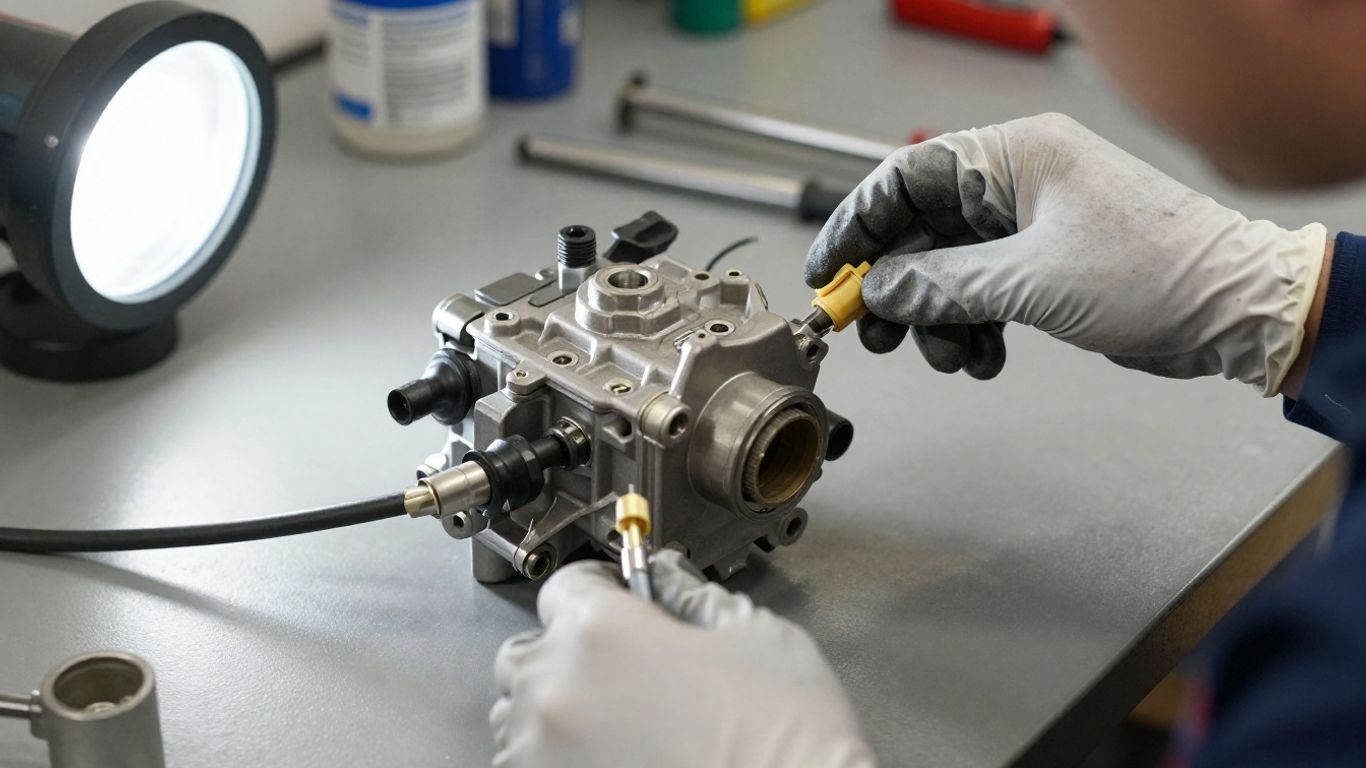
Typical warning signs include extended cranking, hesitation under load, stalling, loss of power, and a whining sound from the tank. These symptoms are not conclusive by themselves. A proper diagnosis should include fuel pressure testing, electrical checks, and inspection of related components.
A vehicle that starts and then dies may have an immobilizer, sensor, or fuel-control issue rather than a failed motor. Similarly, low pressure can result from a restricted filter or poor voltage at the pump. Treat the symptom as a reason to test, not as proof that a replacement is needed.
Benefits of buying a used replacement
The main attraction is lower upfront cost, particularly when a complete original-style module is expensive or temporarily unavailable. A recycled assembly may also preserve the correct mounting arrangement and connector for an older vehicle. Parts removed from a running vehicle can be useful, provided their history and test status are credible.
Lower purchase cost matters only when it survives the full calculation. Include delivery, seals, labor, diagnostic time, and the possibility of doing the repair twice. A cheaper pump with no return option may be poor value compared with a slightly more expensive tested unit.
Risks involving wear, contamination, and hidden damage
A used pump has already accumulated operating hours, and the seller may not know how it was treated. Internal brushes, bearings, the pickup sock, and the pressure regulator can wear without obvious external damage. Fuel residue, water, rust, or long storage can create problems after installation.
Before buying, ask whether the unit was drained and stored properly and whether it was removed from a running vehicle. Reject parts with cracked housings, bent sender arms, melted terminals, or unexplained modifications. If the seller cannot identify the exact application or provide meaningful photos, the risk rises quickly.
When a new or remanufactured pump is the better choice
A new or professionally remanufactured component is often preferable when the vehicle is difficult to access, the pump is safety-critical, or the used item has uncertain mileage. It is also sensible when the replacement labor is high enough that a second failure would erase the initial saving. Diesel high-pressure equipment generally deserves extra caution because contamination or calibration errors can damage other parts.
For any option, compare warranty length, return conditions, testing evidence, and included components. A used part can be reasonable for a budget repair, but certainty and installation effort should be part of the decision rather than afterthoughts.
Inspect and test used Haval fuel pumps before purchase
Inspection is most useful when it follows the same order every time. Start with identity and external condition, then move to electrical operation and finally to pressure and flow. Do not perform live fuel testing in an improvised space; fuel vapor is highly flammable.
Checking the housing, terminals, and fuel lines
Look for a straight housing, intact mounting tabs, clean terminals, and undamaged hose connections. The plug should not show heat discoloration, looseness, or pulled wires. On a complete module, inspect the sender arm and float for free movement without forcing them.
Compare the used part with the original before installation. Small differences in outlet position or locking tabs can create a poor seal even when the motor itself is compatible. A clear, close photograph of the connector and label is often more useful than a long general description.
Looking for corrosion, cracks, and contamination
Surface dirt is not the same as internal contamination, but either deserves attention. Rust around terminals, white deposits on contacts, a cracked plastic reservoir, or sediment in the pickup area can indicate exposure to moisture or poor storage. Fuel-soaked packaging and an unexplained strong odor may also suggest that the part was not prepared for transport.
Ask how the pump was stored and whether the tank it came from had contamination. Do not wash electrical components with unsuitable solvents or introduce debris into an open fuel system. If the module has been opened, find out whether its clips and seals were replaced or reused.
Verifying electrical resistance and motor operation
Resistance readings can identify an open circuit or an obvious short, but they do not prove that a pump will deliver the required pressure. Use the vehicle’s service data for the expected range and test the motor with suitable equipment. Never guess at voltage, polarity, or a safe test method around fuel vapors.
A seller who says a unit was bench-tested should be able to explain what was measured. Ask whether the motor ran smoothly, whether current draw was observed, and whether the assembly was tested as a complete unit. A quiet motor is encouraging, but it remains only one part of the evidence.
Confirming pressure and flow specifications
Pressure and flow must be checked against the engine’s service specifications, not against a generic online figure. A pump can run and still be unsuitable if it cannot maintain pressure under load. The test should also account for the regulator, filter, wiring voltage, and the condition of the test equipment.
This is where a written specification becomes valuable. Record the required pressure, expected flow, connector type, and whether the listing includes the strainer or regulator. The table below offers a practical way to organize the comparison before committing to a purchase.
| Check | What to compare | Why it matters |
|---|---|---|
| Identity | Part number, engine code, model year | Prevents an attractive but incorrect match |
| Electrical fit | Connector, polarity, voltage, resistance | Avoids wiring damage and non-operation |
| Mechanical fit | Housing, mounts, outlets, module depth | Ensures the unit seals and sits correctly |
| Performance | Pressure and flow against service data | Confirms it can supply the engine |
After the table, apply the results to the actual vehicle rather than treating any single row as decisive. If pressure or flow cannot be verified, price the part as untested and make sure the return terms protect you.
Find reliable sellers of used Haval fuel pumps
The seller is part of the risk calculation. A useful listing identifies the donor vehicle, part number, condition, test method, and return policy without relying on vague promises. Compare several offers and keep written records of the questions you asked and the answers you received.
Salvage yards, specialist dismantlers, and online marketplaces
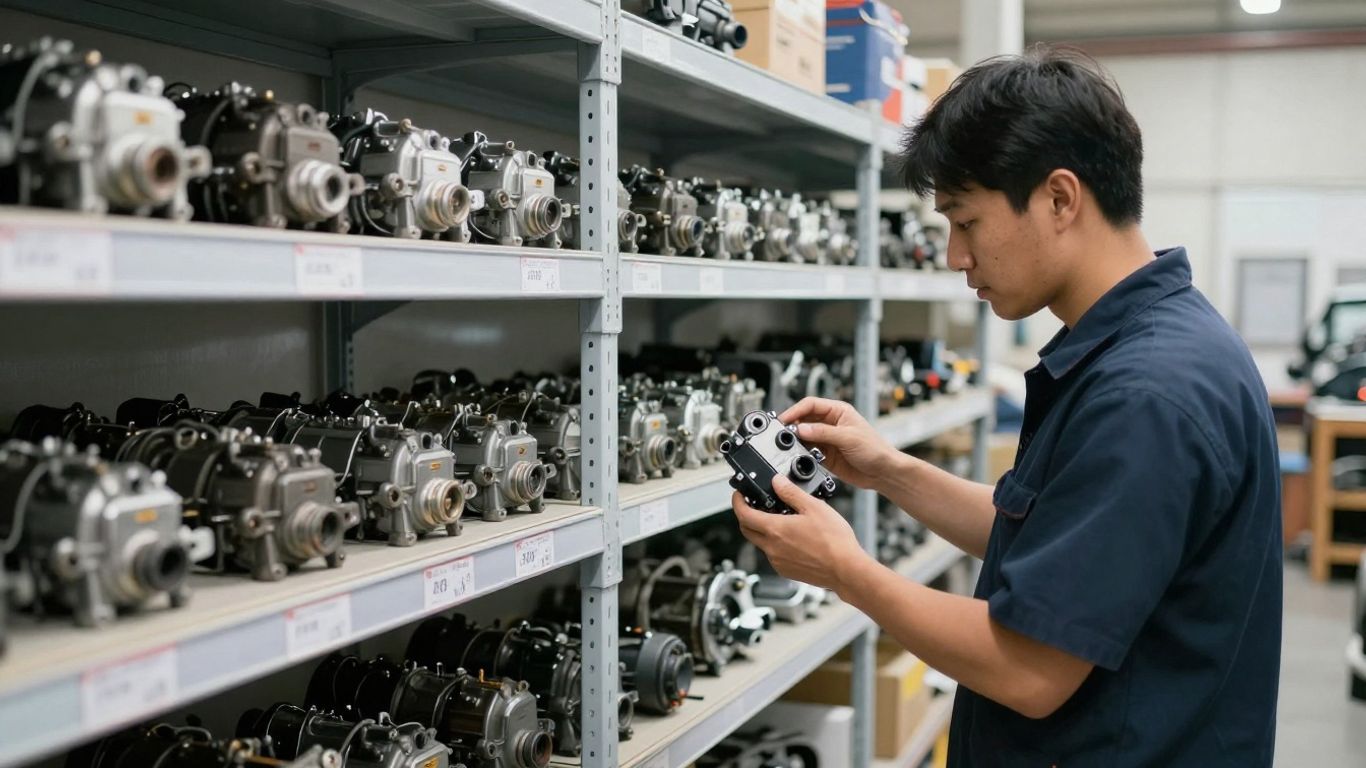
Salvage yards may provide donor-vehicle information and a chance to inspect the part in person. Specialist dismantlers often catalog components by application and may offer testing or short warranties. Online marketplaces provide broader access, but the buyer must scrutinize photos, descriptions, seller history, and policy details.
A search portal can save time when it returns several suppliers rather than one unverified offer. For example, a Haval H6 fuel pump search can be used as a starting point for comparing availability and seller information in the UAE. Treat every marketplace result as a lead that still requires fitment confirmation.
Questions to ask about mileage and vehicle history
Ask for the donor vehicle’s model year, engine, mileage, reason for dismantling, and whether it was running when recovered. Also ask how long the pump has been stored and whether it was removed from a clean, undamaged tank. These answers help distinguish a traceable recycled part from an anonymous component.
A short message can cover the essentials:
- What exact part number is printed on the pump?
- What vehicle and engine supplied it?
- Was it pressure-tested, and what result was recorded?
- What components and seals are included?
The response quality is useful evidence. A seller who answers directly and supplies matching photographs is easier to work with if a problem appears. A used Haval parts network may offer multiple quotes, but the same questions still apply to each individual seller.
Comparing seller photos, descriptions, and part numbers
Photos should show the label, connector, mounting face, outlets, and any visible wear. Compare those images with photographs of your original part, paying attention to details that stock images may hide. Descriptions should identify whether the item is tested, untested, refurbished, or sold for parts.
Be cautious when a listing uses one photograph for several variants or says “fits many models” without a part-number list. Ask for a current photo if the image does not show the exact unit. A mismatch discovered before payment is much easier to resolve than one discovered after the tank has been opened.
Evaluating warranties, returns, and buyer protection
Read the return period, exclusions, restocking terms, and responsibility for shipping before ordering. Check whether the warranty covers the pump motor only or the complete assembly, and whether installation by a qualified technician is required. Keep the packaging and avoid modifying the component until fitment and operation are confirmed.
Payment protection can matter when the seller is remote. A listing that states a return window, such as the assembly return policy, still needs careful reading because marketplace and third-party terms may differ. Save the advertisement, messages, and test claims in case the part is not as described.
Compare pricing and total replacement costs
The advertised price is only the first figure. A pump that costs less but arrives without a sender, strainer, seal, or warranty may require additional purchases. Conversely, a complete tested module may be economical even when its headline price is higher.
Factors that affect used fuel pump prices
Price varies with demand, availability, donor mileage, completeness, testing, and the age of the vehicle. A rare module can cost more than a common pump even if both are used. Condition and traceability should influence the price as much as appearance.
Compare like with like: bare motor against bare motor, complete module against complete module, and tested part against tested part. A low quote is not meaningful if it omits the regulator or uses an unverified part number.
Shipping, taxes, and core charges
Shipping can be significant because modules are bulky and may require special handling after draining. Add sales tax, import duties, brokerage, delivery surcharges, and any refundable core charge. Ask whether the quoted delivery price includes tracking and whether returns require the buyer to pay freight.
Get the landed cost in writing before paying. A part that appears inexpensive from another region may become less attractive once taxes and return shipping are included. This is also the point to confirm whether the seller can legally and safely ship a fuel-exposed component.
Labor costs for pump access and installation
Labor depends on how the vehicle’s tank and access panel are arranged. Some repairs can be reached through an interior service opening, while others require tank removal and additional safety precautions. The estimate may also include diagnosis, fuel disposal, cleaning, new seals, and post-installation testing.
Ask the repairer what happens if the used pump fails during installation or shortly afterward. Paying for access twice can eliminate a small parts saving. A written labor estimate makes the comparison more realistic.
Calculating value against aftermarket alternatives
Compare the used option with a new aftermarket or remanufactured unit using the same assumptions. Include warranty duration, included hardware, expected service life, availability, and the cost of a possible repeat repair. Do not assume that a new part is automatically correct; its pressure and fitment still need verification.
The sensible choice is the one with the best balance of verified compatibility, condition, support, and total cost. For a high-labor repair, stronger warranty coverage may justify paying more. For a straightforward, accessible repair, a tested used module may be acceptable when the risk is clearly understood.
Install and maintain a replacement fuel pump safely
Fuel-system work combines electrical hazards, flammable liquid, and pressurized fuel. Use the vehicle’s service instructions and work in a well-ventilated area away from flames, heaters, and sparks. If the tank must be removed or the diagnosis is uncertain, professional installation is the safer route.
Preparing the fuel system and work area
Relieve fuel pressure according to the service procedure, disconnect the battery as directed, and keep an approved container available for any drained fuel. Clean the area around the module before opening the tank so grit cannot fall inside. Wear suitable eye and hand protection, and do not work beneath a supported tank held only by a jack.
Have the replacement, seal, tools, and fasteners ready before opening the system. Photograph hose and connector positions first. Careful preparation reduces the time that the tank is open and lowers the chance of a misplaced line or damaged plug.
Replacing filters, seals, and O-rings
A clogged strainer or old seal can undermine a good pump. Replace the filter or pickup sock when the service procedure calls for it, and install the correct fuel-resistant O-ring rather than stretching an old one into place. Lightly lubricate seals only with a compatible product and avoid cutting or twisting them.
Inspect the tank flange and mating surface for dirt, burrs, or corrosion. Tighten fasteners evenly and to the specified torque. Reusing a flattened seal can cause an external leak or allow air into the supply side.
Priming the system and checking for leaks
After installation, reconnect the lines and wiring exactly as removed, then prime the system using the manufacturer’s procedure. Cycle the ignition only when appropriate and listen for abnormal noise. Before starting the engine, inspect the flange, hose joints, and accessible connections for wetness or odor.
Once the engine runs, verify pressure and check again for leaks at idle and after shutdown. Do not drive until the system remains dry and the vehicle responds normally. A brief road test followed by another inspection can reveal a loose connection that was not obvious in the work area.
Preventing premature fuel pump failure
Keeping adequate fuel in the tank helps cool many in-tank pump motors, while replacing a restricted filter prevents unnecessary load. Use clean fuel from a dependable source and investigate repeated contamination rather than repeatedly changing pumps. Electrical problems, low charging voltage, and poor grounds should also be corrected.
Record the installation date, part number, mileage, and warranty details. That simple record makes future diagnosis easier and helps identify patterns if symptoms return. Good maintenance cannot rescue an incorrect part, but it can prevent avoidable stress on a correctly matched replacement.
Conclusion
Choosing used Haval fuel pumps is mainly an exercise in verification: identify the exact system and application, inspect the component, confirm its performance, and calculate the full repair cost. A traceable, tested part with sensible return protection can be worthwhile, while an anonymous bargain may create more expense than it saves.
Frequently Asked Questions
Are used fuel pumps safe to buy?
They can be, provided the part is correctly identified, inspected for damage and contamination, tested where possible, and covered by reasonable return terms. The risk is higher when mileage, storage, and operating history are unknown.
How can I tell whether I need an in-tank or high-pressure pump?
Use the vehicle’s service information and the original part number. Confirm whether the failed component supplies fuel from the tank or creates injection pressure, since the two parts are not interchangeable.
Should I buy a complete pump module or only the motor?
A complete module is often simpler when the housing, sender, regulator, or strainer is also worn. A motor-only replacement may cost less, but it requires a compatible housing and careful assembly.
What information should a seller provide?
Ask for the exact part number, donor vehicle and engine, mileage, removal circumstances, test method, included components, storage details, warranty, and return conditions. Clear current photographs are also valuable.
Can a weak battery imitate fuel pump failure?
Yes. Low system voltage can reduce pump performance and cause hard starting or stalling. Battery condition, charging voltage, wiring, grounds, relays, and fuel pressure should be checked before condemning the pump.
Should the fuel filter be replaced with the pump?
Replace it when it is restricted, contaminated, or included in the manufacturer’s service procedure. A blocked filter can strain a replacement pump and make diagnosis more difficult.
When should a professional install the pump?
Professional help is advisable when the tank must be removed, fuel pressure remains uncertain, the system is diesel high-pressure equipment, or you lack suitable ventilation and lifting equipment. Fuel-system mistakes can create fire, leak, and engine-damage hazards.